Every day, your feet take thousands of steps and bear a significant amount of pressure. Choosing the right insole can not only relieve discomfort but also improve overall foot health. The market mainly offers two types of insoles: Custom Orthotic Insoles and Prefabricated Insoles. This article provides a professional overview of their key differences to help you make an informed choice.
Note: This article is for informational purposes only. For serious foot issues or pain, consult a licensed podiatrist.
What Are Orthotic Insoles?
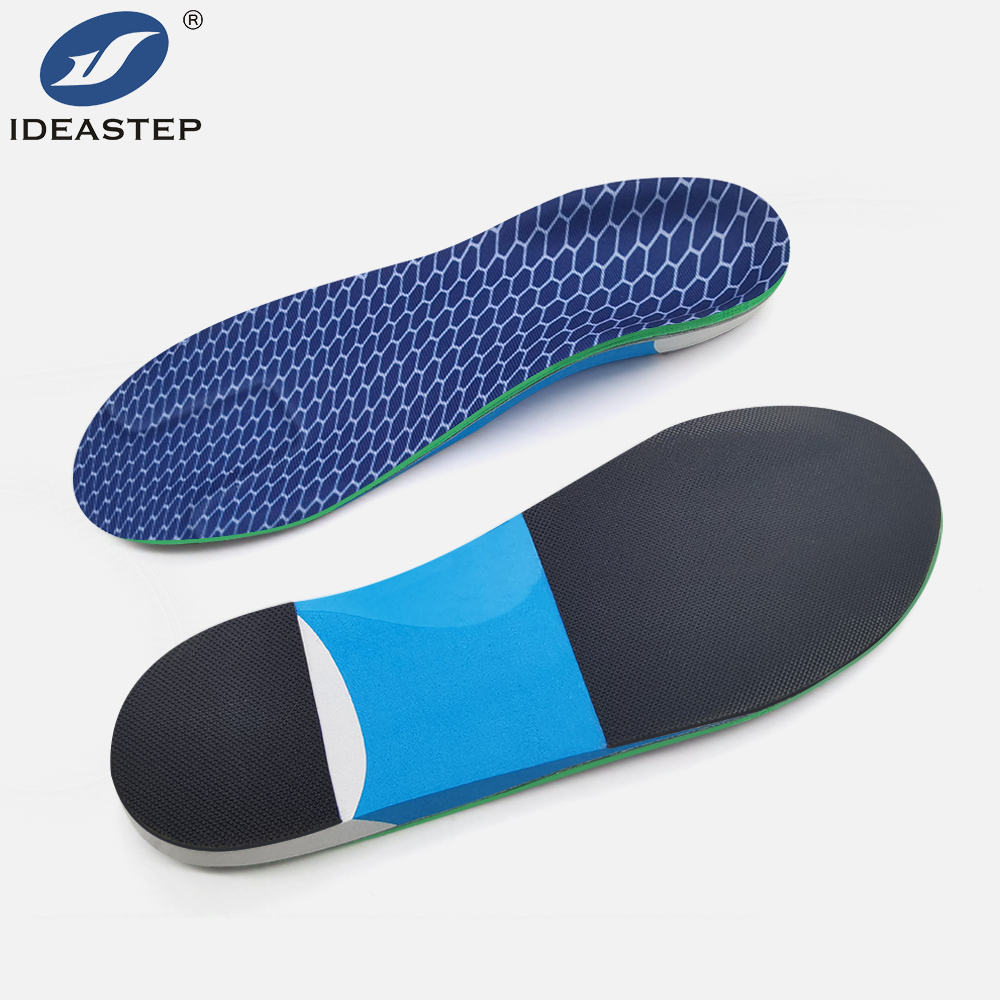
Orthotic insoles are specially designed to improve foot function, relieve pain, and support the arches. Their main benefits include:
- Redistributing plantar pressure
- Improving gait and walking posture
- Relieving conditions such as plantar fasciitis, flat feet, and diabetic foot
- Providing long-term comfort and protection
According to the American Podiatric Medical Association (APMA), orthotic insoles can effectively reduce chronic foot pain and improve pressure distribution and gait stability.
Prefabricated Insoles: Overview and Pros & Cons
Prefabricated insoles are mass-produced and come in standard sizes and designs.
Common materials: Foam (EVA/PU), gel cushioning, breathable fabrics
Pros:
- Ready to use immediately
- Low cost, accessible to most consumers
- Easy to replace and maintain
Cons:
- Cannot be customized to individual foot shape
- Limited functionality, minimal long-term corrective effect
- Not ideal for specific medical conditions
Custom Orthotic Insoles: Overview and Pros & Cons
Custom orthotic insoles are designed based on an individual’s foot shape, pressure distribution, and gait, often used in medical or athletic rehabilitation settings.
Manufacturing process:
- Foot scanning or mold creation
- Material selection (memory foam, PU, gel, etc.)
- Pressure testing and structural optimization
- Final production
Pros:
- Perfectly matches individual foot shape for precise pressure distribution
- Effective support for medical conditions or athletic needs
- Long-term improvement in foot health
Cons:
- Higher cost
- Longer production time
- Requires professional assessment and periodic adjustments
Key Differences Between Custom and Prefabricated Insoles
| Comparison | Custom Orthotic Insoles | Prefabricated Insoles |
|---|---|---|
| Fit | Fully customized to the individual’s foot | Standard design, suitable for most people |
| Functionality | Arch support, pressure distribution, specific medical relief | Basic comfort, limited functionality |
| Materials & Structure | Advanced multi-layer composites, durable | Single-layer foam or gel, limited lifespan |
| Medical Conditions | Plantar fasciitis, flat feet, diabetic foot | Mild foot discomfort or everyday comfort |
| Cost | Higher | Lower |
| Production Time | 1–3 weeks | Ready to use |
| Risk | Low if used correctly, long-term health benefits | Improper use may increase pressure or discomfort |
Tip: Understanding these differences helps you choose the most suitable insole based on your needs.
How to Choose the Right Insole
- Foot health: Prefabricated for minor discomfort; custom for chronic conditions
- Usage: Daily walking, sports, or rehabilitation
- Budget & Time: Custom insoles cost more and take longer
- Professional guidance: Consult a podiatrist or physical therapist
- Brand & Supplier: Ensure reliable materials and manufacturing quality
Insole Maintenance Tips
- Clean regularly and keep dry
- Check for wear and tear
- Periodically reassess foot shape for custom insoles
- Avoid wearing the same insole continuously to extend lifespan
FAQ
1. Are custom insoles always better than prefabricated ones?
For minor foot issues, prefabricated insoles provide comfort, but custom insoles offer better results for medical conditions or chronic pain.
2. How long does it take to get custom insoles?
Typically 1–3 weeks, depending on materials and complexity of foot shape.
3. Can prefabricated insoles relieve plantar fasciitis?
They may help mild symptoms but are less precise than custom insoles.
4. How often should insoles be replaced?
Every 6–12 months, or based on wear and usage frequency.
5. Are custom insoles covered by insurance?
Coverage depends on local medical policies; check with your provider.
Conclusion
Choosing the right insole affects both comfort and long-term foot health:
- Prefabricated insoles: Convenient and affordable, ideal for light use
- Custom orthotic insoles: Precise, functional, and ideal for long-term health improvement
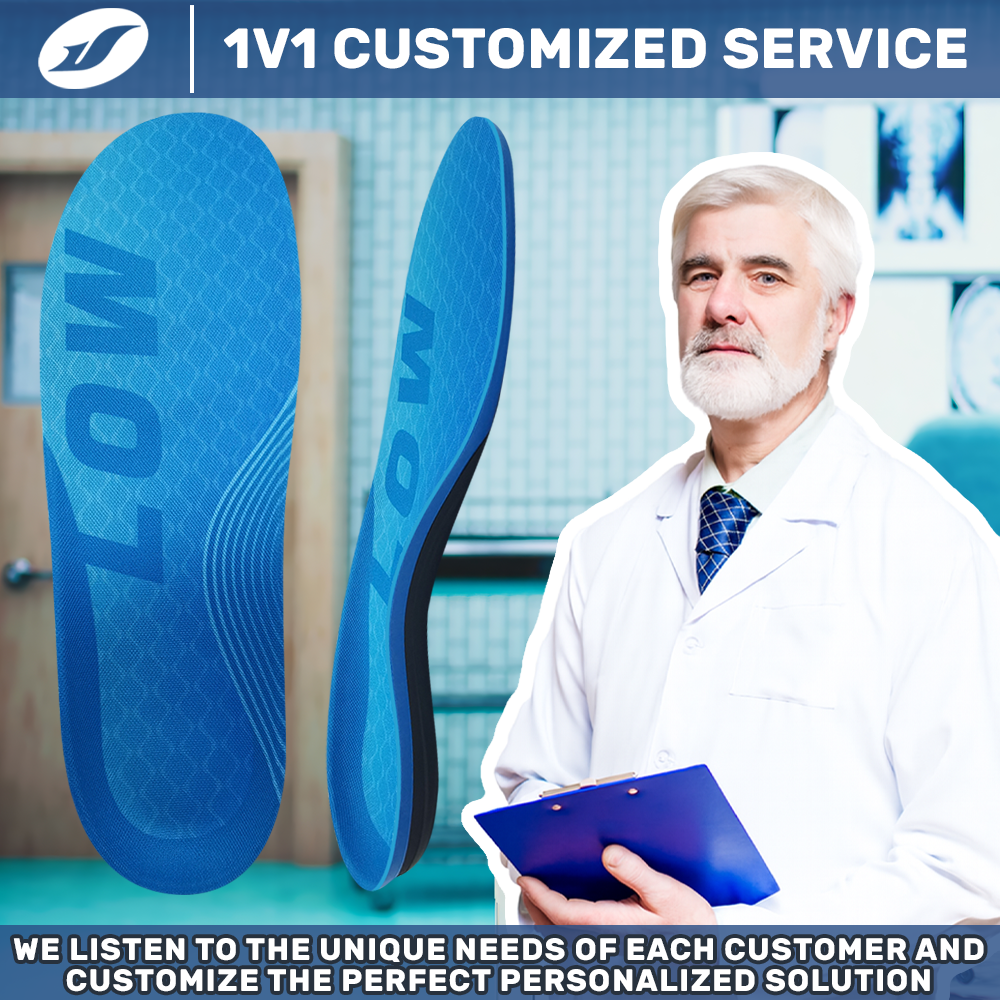
If you are looking for professional custom insole solutions, Ideastep provides foot scanning and personalized design services, combining high-quality materials with expert engineering to support your foot health effectively.
You might also like these popular articles:Ideastep to Showcase Innovative Custom Orthotic Insoles at OTWorld 2026