The feet serve as the foundation of the body’s movement chain. Whether walking, standing for extended periods, running, or participating in sports, the feet play a vital role in supporting body weight, absorbing impact, and maintaining balance. However, when foot structure or biomechanics become compromised, problems such as heel pain, foot fatigue, and gait abnormalities may develop, potentially affecting the ankles, knees, hips, and even the spine.
In modern podiatry, rehabilitation medicine, and sports medicine, orthotic insoles have become a widely recommended solution for foot support and biomechanical management. Through scientifically engineered designs and personalized support, orthotic insoles help optimize foot function, improve pressure distribution, and enhance overall comfort for a wide range of users.
But what exactly are orthotic insoles? How are they different from regular insoles? And how do they work? This article provides a comprehensive overview from a professional perspective.
What Are Orthotic Insoles?
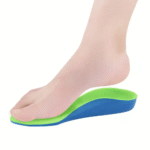
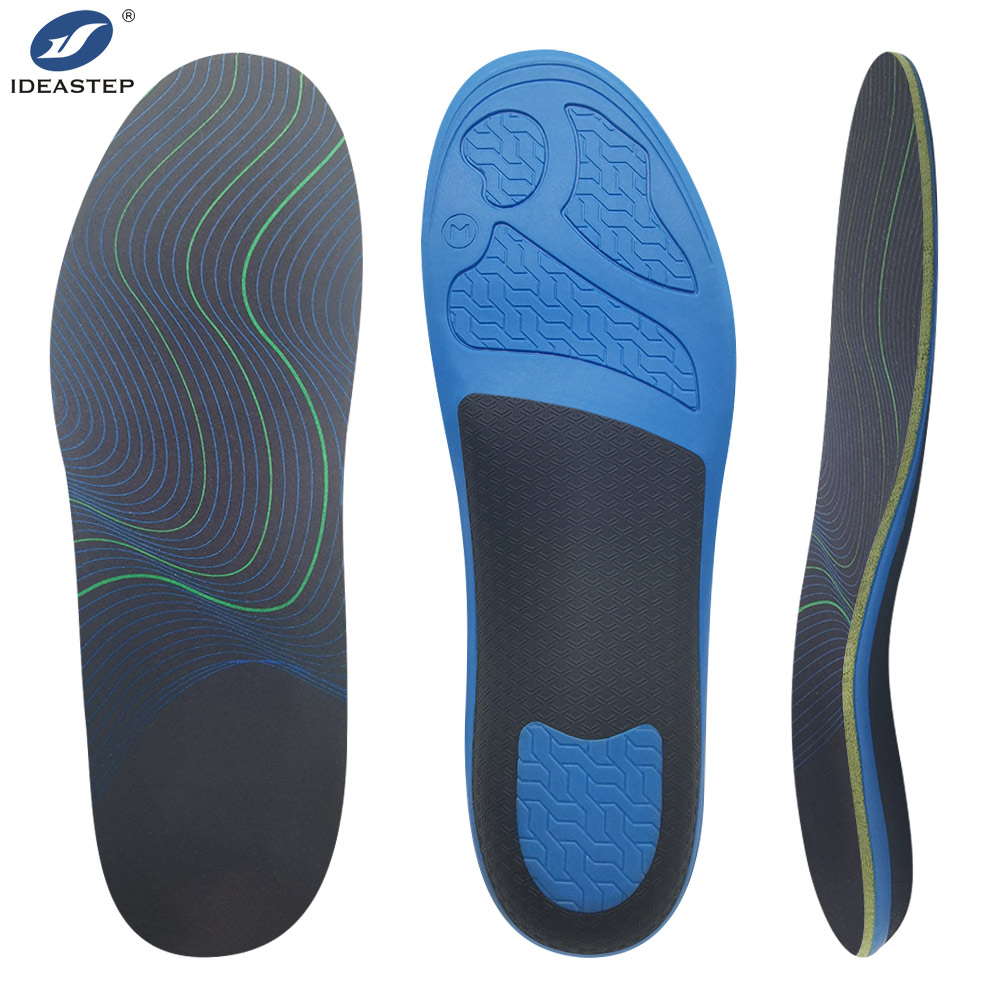
Orthotic insoles are functional shoe inserts designed based on biomechanical principles to support, guide, and stabilize the foot structure. Their purpose is to improve foot function, enhance lower-limb alignment, and provide targeted support where needed.
Unlike standard insoles that primarily focus on cushioning and comfort, orthotic insoles are engineered to address foot mechanics. Their design often incorporates foot arch characteristics, plantar pressure distribution, and gait analysis data to deliver more precise support and performance.
Depending on the intended application, orthotic insoles can generally be categorized into:
- Prefabricated Orthotics
- Semi-Custom Orthotics
- Custom Orthotics
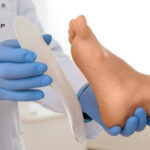
Among these options, custom orthotics are typically developed using individual foot shape data, pressure mapping, and gait analysis, making them particularly suitable for clinical applications and personalized foot care solutions.
What Are the Main Functions of Orthotic Insoles?
Professional orthotic insoles are much more than simple inserts placed inside a shoe. They function as biomechanical tools designed to support and improve foot performance.
Their primary functions include:
Arch Support
Helping maintain arch stability and reducing stress caused by arch collapse or abnormal loading patterns.
Pressure Redistribution
Balancing plantar pressure by transferring excessive load away from high-pressure areas.
Gait Improvement
Supporting more efficient movement patterns and improving walking stability.
Enhanced Foot Stability
Providing additional support during standing, walking, and athletic activities.
Shock Absorption
Reducing impact forces transmitted through the feet and lower limbs.
Foot Health Management
Serving as part of a comprehensive foot care strategy when recommended by healthcare professionals.
How Do Orthotic Insoles Work?
The effectiveness of orthotic insoles lies in their ability to influence and optimize the body’s biomechanical system.
Maintaining Arch Stability
The foot arch functions as the body’s natural shock-absorbing mechanism. When the arch becomes excessively flattened or overly elevated, plantar pressure distribution changes and may affect the entire lower-limb kinetic chain.
Professional orthotic insoles incorporate specialized arch-support structures to:
- Maintain arch integrity
- Control excessive foot pronation
- Improve foot stability
- Reduce stress on soft tissues
Biomechanical research suggests that appropriate arch support can help optimize foot movement patterns and improve comfort during walking and standing.
Redistributing Plantar Pressure
Every individual exhibits a unique plantar pressure pattern. When certain areas of the foot experience excessive loading over time, discomfort and fatigue may occur.
Common issues include:
- Heel pain
- Forefoot discomfort
- Localized fatigue
- Increased risk of pressure-related injuries
Orthotic insoles are designed to redistribute pressure by combining support and cushioning elements strategically throughout the foot.
This approach can help:
- Reduce excessive heel loading
- Disperse forefoot pressure
- Create a more balanced pressure distribution pattern
Studies have shown that properly designed orthotic insoles can improve plantar pressure distribution and enhance comfort during prolonged standing and walking.
Optimizing Lower-Limb Biomechanics
The feet are the first point of contact between the body and the ground. Abnormal foot positioning may influence forces transmitted through the:
- Ankles
- Knees
- Hips
- Pelvis
- Spine
By adjusting support points and directing foot motion more effectively, orthotic insoles can help optimize lower-limb biomechanical alignment.
Potential benefits include:
- Improved gait mechanics
- Enhanced movement efficiency
- Greater postural stability
- Reduced discomfort associated with abnormal loading patterns
For this reason, orthotic insoles are widely used in sports rehabilitation and foot care management programs.
Providing Shock Absorption and Protection
In addition to structural support, modern orthotic insoles provide cushioning to absorb impact forces generated during movement.
Common materials include:
- EVA foam
- Polyurethane (PU)
- Thermoplastic Polyurethane (TPU)
- Carbon fiber composites
These materials help reduce impact forces reaching the joints and improve overall walking and athletic comfort.
This cushioning capability is particularly valuable for runners, athletes, and individuals who spend long hours on their feet.
Who Can Benefit from Orthotic Insoles?
Orthotic insoles can benefit individuals with various foot conditions and lifestyle requirements.
People with Flat Feet
Flat feet may contribute to:
- Foot fatigue
- Insufficient arch support
- Reduced walking stability
Appropriate arch support can help improve overall foot function and comfort.
People with High Arches
High arches are often associated with reduced shock absorption.
Common concerns include:
- Increased heel pressure
- Forefoot overload
- Greater risk of instability
Orthotic insoles with cushioning features can help distribute pressure more evenly.
Individuals with Plantar Fasciitis
Plantar fasciitis is one of the most common causes of heel pain.
Professionally designed orthotic insoles may help:
- Improve plantar loading patterns
- Reduce tension on the plantar fascia
- Provide additional heel cushioning
As a result, they are often included as part of a broader management strategy.
Athletes and Active Individuals
Sports such as running, basketball, football, and tennis place significant demands on the feet.
Orthotic insoles may help:
- Improve stability
- Optimize force distribution
- Enhance comfort
- Reduce injury risk
People Who Stand for Long Hours
Healthcare professionals, teachers, factory workers, and retail employees often spend extended periods standing.
Well-designed orthotic insoles can help:
- Reduce foot fatigue
- Improve comfort
- Promote more balanced pressure distribution
Custom Orthotics vs. Prefabricated Orthotics
When selecting orthotic insoles, many users must choose between custom and prefabricated solutions.
| Feature | Custom Orthotics | Prefabricated Orthotics |
|---|---|---|
| Fit Accuracy | High | Moderate |
| Support Precision | Personalized | Generalized |
| Pressure Management | Optimized | Basic |
| Clinical Application | Extensive | Supportive Use |
| Comfort | Individually Adapted | Standardized |
| Cost | Higher | Lower |
For individuals with specific biomechanical needs or unique foot structures, custom orthotics often provide a more tailored solution.
How Are Professional Orthotic Insoles Designed and Manufactured?
Modern orthotic manufacturing has evolved from traditional handcrafted techniques to highly advanced digital workflows.
Foot Assessment
The process begins with collecting:
- Foot shape data
- Gait information
- Activity requirements
- Foot health history
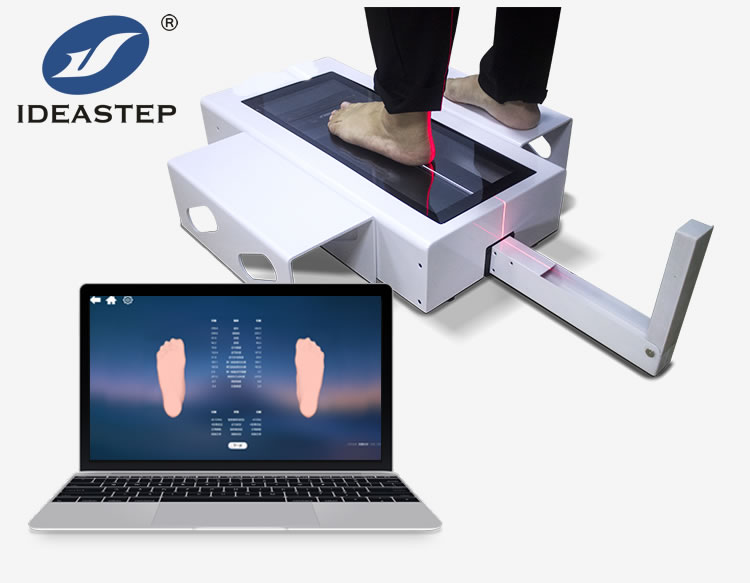
3D Foot Scanning
Digital scanning technologies create accurate foot models and improve efficiency compared to traditional casting methods.
Biomechanical Analysis
Key evaluation parameters include:
- Arch height
- Plantar pressure distribution
- Center-of-pressure movement
- Gait characteristics
These insights guide the design process.
CAD Design
Engineers use specialized software to create customized structures, including support zones, cushioning areas, and functional components.
CNC Milling and Manufacturing
Automated production equipment ensures precision, consistency, and scalability for larger production volumes.
Quality Inspection
Professional manufacturers typically conduct:
- Dimensional inspections
- Material testing
- Durability assessments
- Functional evaluations
These procedures help ensure product quality and compliance with industry standards.
Why Do Medical Professionals Recommend Orthotic Insoles?
An increasing number of podiatrists, physical therapists, and sports medicine professionals incorporate orthotic insoles into comprehensive foot care programs.
Common reasons include:
- Personalized foot support
- Improved pressure distribution
- Enhanced gait stability
- Greater movement comfort
- Support for rehabilitation and long-term foot care strategies
It is important to note that orthotic insoles are not intended to replace medical diagnosis or treatment. Instead, they serve as supportive tools that can contribute to improved foot function when appropriately prescribed and used.
Trends Shaping the Future of the Orthotic Insole Industry
Digital Foot Scanning
3D scanning technology is becoming increasingly common, improving both customization accuracy and production efficiency.
Growing Demand for Personalization
Consumers are seeking solutions tailored to their unique foot structures, lifestyles, and performance goals.
Expansion of Sports Rehabilitation Markets
The continued growth of sports medicine is driving demand for advanced orthotic solutions.
Smart Manufacturing Technologies
Digital design, automated production, and data-driven analysis are enhancing quality control and manufacturing consistency.
Sustainable Material Innovation
Environmentally friendly foams and recyclable materials are becoming increasingly important within the industry.
How to Choose a Reliable Orthotic Insole Supplier
For podiatry clinics, rehabilitation centers, medical device brands, and retail distributors, selecting the right supplier is critical to delivering quality products and positive user experiences.
Key factors to evaluate include:
- Research and development capabilities
- Digital design expertise
- OEM and ODM services
- Stable production capacity
- Comprehensive quality management systems
- Technical and after-sales support
Manufacturers with extensive industry experience and mature production systems are often better equipped to support long-term partnerships.
Conclusion
Orthotic insoles are specialized biomechanical devices designed to support foot function through arch support, pressure redistribution, gait optimization, and shock absorption. By improving the foot’s interaction with the ground, they can contribute to greater comfort, stability, and overall movement efficiency.
As digital assessment technologies and personalized healthcare solutions continue to advance, orthotic insoles are evolving into increasingly precise foot support systems. For medical institutions, rehabilitation centers, podiatry clinics, brands, and distributors, partnering with a manufacturer that offers strong research capabilities, digital design expertise, and rigorous quality control can help ensure the delivery of reliable and high-value foot care solutions.
If you’d like to learn more about orthotic insoles, click here to explore:https://www.aideastep.com/product-tag/orthotic-insoles/