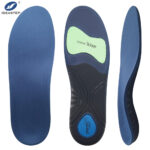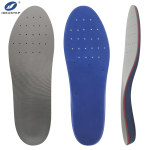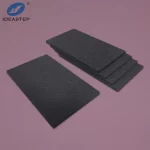
When brands plan to launch their own orthotic insole products, many purchasing managers initially focus on price, minimum order quantities, and delivery times. However, in real OEM projects, the factors that truly determine a product’s success are often not manufacturing costs, but whether the design is appropriate, the materials are properly selected, sample validation is sufficient, and the factory can maintain consistent quality throughout mass production.
A high-quality orthotic insole typically goes through multiple stages before reaching the market, including product planning, design and development, material selection, sample testing, production preparation, and quality control. For brands, understanding the entire manufacturing process not only helps improve project efficiency but also enables better evaluation of a supplier’s expertise and reliability.
This article provides a comprehensive overview of the OEM orthotic insole manufacturing process and highlights the key factors businesses should pay attention to throughout product development.
What Is OEM Orthotic Insoles Manufacturing?
OEM (Original Equipment Manufacturer) refers to a manufacturing model in which a brand defines product requirements while a professional manufacturer provides development support, production services, and quality management. The finished products are then sold under the client’s brand name.
This business model is widely used by:
- Footwear brands developing proprietary insole collections
- Podiatry clinics and healthcare organizations launching professional orthotic products
- E-commerce sellers building private-label brands
- Sports brands expanding their foot support product lines
Unlike ODM (Original Design Manufacturer), which typically offers ready-made product designs for customization, OEM projects are centered around the customer’s specific requirements and product vision.
Step 1: Define Product Requirements and Market Positioning
Every successful OEM project begins with a clear product strategy.
In practice, many development delays and revisions occur not because of manufacturing issues, but because product requirements were not clearly defined during the early stages. Professional manufacturers usually spend considerable time discussing market objectives and product expectations before development begins.
Identify the Target Market
Different markets prioritize different product characteristics.
For example:
- The medical market focuses on support performance and long-term durability.
- The sports market emphasizes stability and shock absorption.
- The retail market generally prioritizes comfort and value for money.
Clearly defining the target market helps guide product design decisions and material selection.
Understand the Target Users
The next step is identifying the foot conditions or user groups the product is intended to serve.
Common applications include:
- Flat feet
- High arches
- Plantar fasciitis
- People who stand for extended periods
- Athletes and active individuals
Different foot conditions require different support structures and functional features.
Determine Product Positioning
Whether the product is positioned as an entry-level, premium, sports-performance, or medical-grade orthotic insole will directly influence design complexity, material selection, and production costs.
Step 2: Orthotic Insole Design and Development
Once product requirements have been established, the project moves into the design and development stage.
This phase is one of the most critical indicators of a manufacturer’s technical expertise.
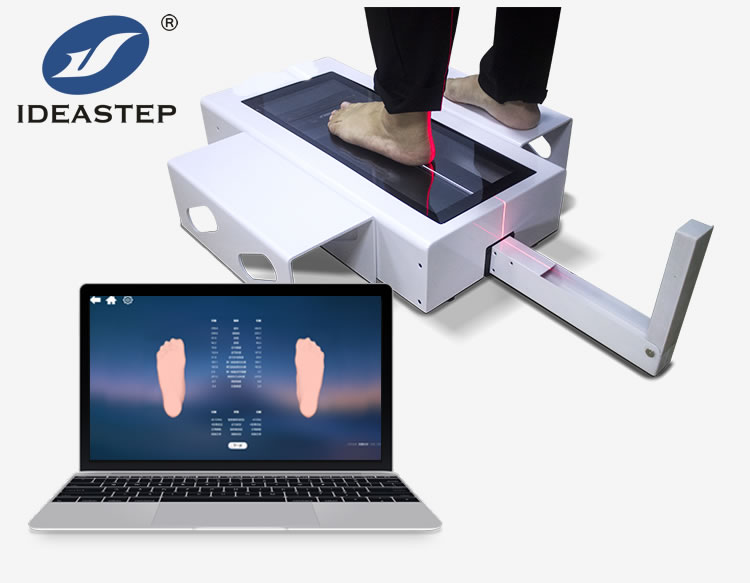
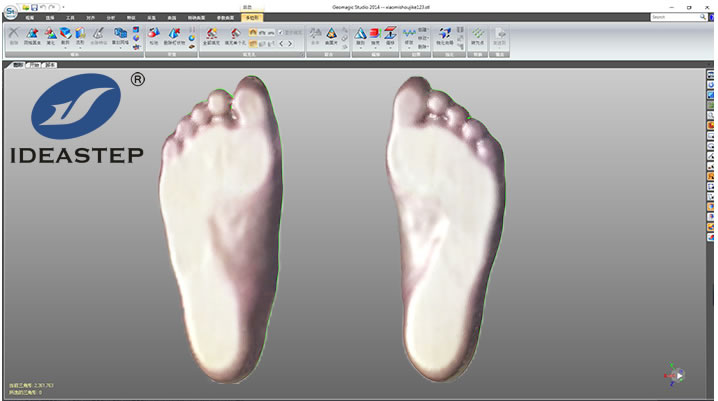
Foot Biomechanics Analysis
Professional orthotic insole development goes far beyond simply adding support structures. It is based on foot biomechanics and movement mechanics.
Development teams typically evaluate:
- Plantar pressure distribution
- Arch height and shape
- Gait characteristics
- Heel stability
- Body weight distribution
For example, insoles designed for individuals with overpronation often focus on improving heel stabilization and arch control, while products for high-arched users typically prioritize cushioning and pressure distribution.
Through biomechanical analysis, manufacturers can achieve a balance between comfort and functional performance.
Functional Structure Design
Based on user requirements, engineers develop different functional zones within the insole.
Arch Support Zone
Helps maintain proper foot alignment and reduce fatigue.
Heel Stabilization Zone
Improves gait stability and controls excessive foot movement.
Forefoot Cushioning Zone
Absorbs impact forces and enhances overall comfort.
A well-designed structure forms the foundation of an effective orthotic insole.
CAD Digital Modeling
Modern OEM projects commonly utilize CAD software for product development.
Benefits include:
- Higher design accuracy
- Shorter development cycles
- Easier design revisions
- Improved production consistency
Digital design tools have become an essential part of professional orthotic product development.
Step 3: Material Selection Determines Product Performance
Materials significantly influence comfort, durability, and support performance.
Experienced manufacturers do not simply recommend individual materials but instead propose combinations tailored to the product’s intended use.
EVA Materials
EVA remains one of the most widely used materials in orthotic insoles.
Its advantages include:
- Lightweight construction
- Cost efficiency
- Excellent thermoforming properties
For products requiring greater durability and support, higher-density EVA or multi-material constructions are often used.
PU Materials
PU (Polyurethane) offers superior resilience and compression resistance.
Benefits include:
- Long-lasting support performance
- Excellent durability
- Enhanced comfort
As a result, PU is frequently selected for premium and medical-grade orthotic products.
TPU Support Structures
TPU (Thermoplastic Polyurethane) combines strength with flexibility.
Its primary functions include:
- Arch reinforcement
- Heel stabilization
- Gait control enhancement
TPU components are often essential in performance-oriented orthotic insoles.
Carbon Fiber Reinforcement
Carbon fiber materials have become increasingly popular in high-performance orthotic products.
Key advantages include:
- Lightweight construction
- Exceptional strength
- Efficient energy return
They are commonly used in premium sports and performance-focused applications.
Top Cover Materials
The top cover directly affects user comfort and wearability.
Common options include:
- Breathable fabrics
- Antibacterial textiles
- Microfiber materials
- Genuine leather
Material preferences often vary depending on the target market and customer expectations.
Step 4: Prototype Development and Validation
After finalizing the design and material specifications, manufacturers move into prototype development.
This stage transforms product concepts into tangible samples.
Initial Prototype Production
The first prototype is developed to verify:
- Structural integrity
- Support effectiveness
- Comfort levels
- Overall appearance
Performance Testing
Professional manufacturers typically conduct tests such as:
- Rebound testing
- Compression testing
- Abrasion resistance testing
- Bonding strength testing
These evaluations help confirm that the product meets performance expectations.
User Wear Testing
Real-world wear trials often reveal issues that cannot be identified during the design phase.
Examples include:
- Arch support that feels too aggressive or insufficient
- Inadequate heel containment
- Unsatisfactory cushioning performance
- Material hardness that does not match user expectations
Consequently, most OEM projects require one or more rounds of prototype refinement before approval.
Most Common Design Adjustments in OEM Orthotic Projects
Based on extensive industry experience, several modifications frequently occur during development.
Arch Height Optimization
Excessive arch support may cause discomfort, while insufficient support can reduce functional effectiveness.
Finding the appropriate balance is often a key part of sample refinement.
Material Hardness Adjustment
Users with different body weights, activity levels, and usage scenarios often require different material densities.
Material hardness adjustment is one of the most common modifications during prototype evaluation.
Heel Cup Depth Optimization
Increasing heel cup depth can improve stability and provide a more secure fit.
Top Cover Material Upgrades
Manufacturers may recommend alternative top-cover materials to improve breathability, durability, or comfort.
Although these changes may appear minor, they can significantly influence overall user satisfaction.
Step 5: Tooling Development and Production Preparation
Once prototypes have been approved, the project enters the production preparation phase.
Mold Development
Products with proprietary structures often require custom tooling.
High-quality molds help:
- Improve dimensional consistency
- Increase production efficiency
- Reduce manufacturing variation
Material Procurement
Manufacturers source production materials according to order requirements, including:
- EVA materials
- PU materials
- TPU support components
- Top-cover fabrics
- Packaging materials
Reliable supply chain management is essential for on-time delivery.
Packaging Confirmation
Brands typically finalize:
- Retail packaging design
- Private-label branding
- Instruction manuals
- Shipping cartons
Step 6: Mass Production Begins
After all preparations have been completed, production officially begins.
The manufacturing process generally includes:
Material Cutting
Raw materials are cut according to product specifications.
Heat Molding
Heat and pressure are applied to create the required orthotic structure.
Multi-Layer Assembly and Bonding
Support layers, cushioning materials, and top covers are assembled into a complete product.
Trimming and Finishing
Products are trimmed and inspected to ensure dimensional accuracy and visual consistency.
Packaging and Warehousing
Finished products are packaged and prepared for shipment.
Quality Control Throughout the Manufacturing Process
Professional manufacturers integrate quality control into every stage of production rather than treating it as a final inspection step.
Raw Material Inspection
Incoming materials are typically evaluated for:
- Density
- Rebound performance
- Dimensional accuracy
- Regulatory compliance
In-Process Quality Checks
Manufacturers continuously monitor:
- Molding precision
- Dimensional tolerances
- Bonding strength
- Surface quality
Finished Product Testing
Common tests include:
- Compression recovery testing
- Fatigue resistance testing
- Flexibility testing
- Structural stability testing
Batch Consistency Management
For brands, maintaining consistency across production batches is critical.
Experienced manufacturers often implement:
- Traceability systems
- Quality documentation
- Batch inspection procedures
These measures help ensure that mass-produced products match approved samples.
How Long Does an OEM Orthotic Insole Project Typically Take?
Although timelines vary depending on project complexity, a typical schedule may include:
| Stage | Estimated Time |
|---|---|
| Requirement Confirmation | 3–7 Days |
| Product Design and Development | 1–2 Weeks |
| Prototype Production | 1–3 Weeks |
| Prototype Refinement | 1–2 Weeks |
| Mold Development | 1–2 Weeks |
| Mass Production | 2–6 Weeks |
The complete development cycle typically ranges from six to twelve weeks.
Factors such as design revisions, special material sourcing, and international logistics may extend project timelines. Therefore, businesses should allocate sufficient time for testing and optimization before product launch.

How to Choose the Right OEM Orthotic Insole Manufacturer
While pricing is important, several other factors deserve equal attention.
Industry Experience
Look for manufacturers with a proven track record in orthotic insole development and production.
Research and Development Capabilities
Strong biomechanical expertise and product innovation capabilities are essential for long-term success.
Quality Management Systems
Reliable manufacturers should maintain comprehensive inspection procedures and traceability systems.
Customization Capabilities
The supplier should be capable of supporting both OEM and ODM requirements.
International Market Experience
Understanding regional regulations and consumer preferences is critical for global business.
Long-Term Partnership Potential
The best manufacturing partners do more than produce products—they continuously help optimize designs, improve product performance, and strengthen market competitiveness.
Conclusion
Whether you are developing a completely new orthotic insole product or expanding an existing product line, understanding the OEM manufacturing process helps businesses make more informed decisions throughout development, sourcing, and production.
From requirement planning and structural design to material selection, prototype validation, and mass production, every stage influences product quality and market performance.
For brands, choosing an experienced manufacturing partner with strong R&D capabilities, comprehensive quality management systems, and efficient communication processes is often far more valuable than focusing solely on pricing. Long-term partnerships help reduce project risks and support the continuous development of high-quality orthotic products that meet evolving market demands.
Looking for a reliable OEM orthotic insole manufacturing partner? Contact us today to discuss your project requirements, request samples, and explore customized solutions designed to help your brand succeed.