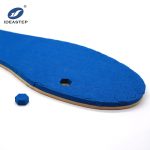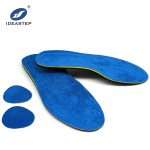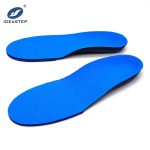
In the orthopedic insole industry, customization is rapidly replacing traditional off-the-shelf products. Especially in the US and European markets, more distributors and retailers are shifting toward custom orthopedic insoles wholesale models to increase profit margins and customer retention.
However, real-world sourcing is far more complex than it appears. Material differences, manufacturing consistency, biomechanical design accuracy, and even the quality of foot scan data can all significantly impact the final product performance.
This guide provides an industry-insider perspective on wholesale custom orthopedic shoe inserts, helping B2B buyers make more informed sourcing decisions.
1. What Are Custom Orthopedic Shoe Inserts?
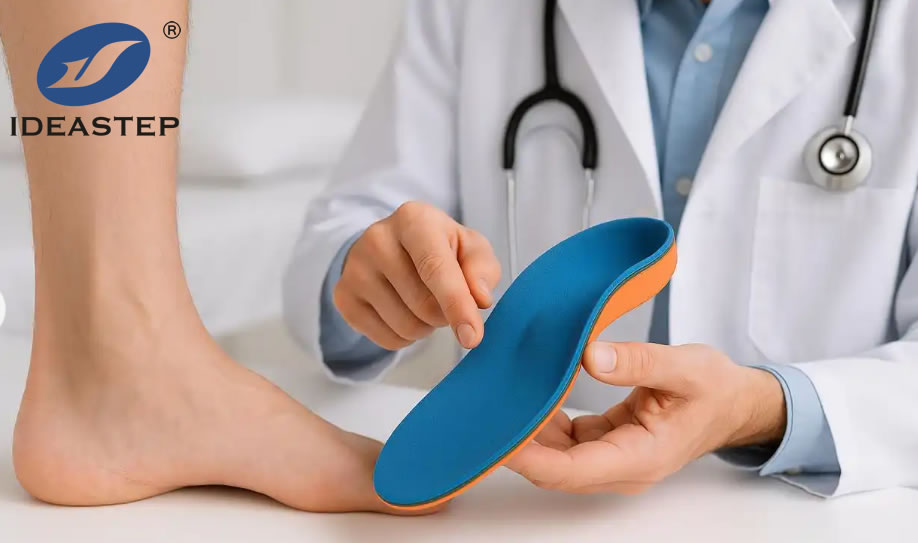
Custom orthopedic shoe inserts are biomechanically designed foot support devices created based on individual foot structure and pressure distribution data. Unlike standard insoles, they are engineered to correct alignment and improve gait efficiency.
1.1 Real Function Beyond “Comfort”
In clinical podiatry practice, orthopedic insoles are not simply comfort products. They are functional corrective tools used to:
- Support or realign foot arches
- Correct gait abnormalities (overpronation/supination)
- Reduce chronic pain such as plantar fasciitis
- Improve biomechanical stability during movement
1.2 Who Actually Uses Orthopedic Insoles?
Main B2B demand comes from:
- Podiatry clinics and orthopedic specialists
- Rehabilitation and physiotherapy centers
- Sports brands and running clubs
- Long-hour standing workers (nurses, retail staff, factory workers)
- Diabetic foot care institutions
Interestingly, a significant portion of repeat demand now comes from non-medical users such as runners and fitness enthusiasts.
1.3 Custom vs Standard Insoles
| Aspect | Custom Orthopedic Insoles | Standard Insoles |
|---|---|---|
| Design Basis | Foot scan + pressure data | Generic mold |
| Function | Biomechanical correction | Basic cushioning |
| Usage Lifespan | 6–24 months | Short-term |
| Price | Higher | Lower |
The real value of custom insoles lies in precision correction, not comfort alone.
2. Market Reality: Growing Demand but Increasing Competition
The orthopedic insole market continues to grow globally, driven by structural health trends rather than short-term consumption.
2.1 Key Growth Drivers
- Rising obesity rates leading to higher foot-related disorders
- Expansion of running and fitness culture
- Aging population increasing chronic foot conditions
2.2 Pricing Pressure in the Industry
One important market reality is that standard insole products are becoming commoditized. As a result:
- Standard OEM margins are decreasing
- Value is shifting toward customization and branding
Manufacturing capabilities and design expertise now matter more than raw material differences.
3. Types of Orthopedic Shoe Inserts
3.1 Functional Orthotics
Used in medical environments for structural correction and gait alignment.
3.2 Accommodative Insoles
Focused on pressure relief and comfort rather than correction.
3.3 Sports Orthotics
Designed for high-impact activities such as running, basketball, and hiking. This segment is currently one of the fastest-growing markets.
3.4 Diabetic Medical Insoles
Designed to reduce pressure points and prevent ulcers in diabetic patients. This category has strict regulatory requirements.
4. Manufacturing Process: How Custom Insoles Are Made
4.1 Foot Data Collection
The production process begins with:
- 3D foot scanning systems
- Pressure mapping analysis
- In some cases, traditional casting molds
Data accuracy directly determines product performance.
4.2 CAD Design Process
Engineers adjust arch height, heel alignment, and pressure distribution using CAD software to ensure biomechanical balance.
4.3 Material Selection
- EVA: Lightweight and cost-efficient, but batch variation may occur
- PU: More stable and durable
- Carbon fiber: High-performance sports applications
- Multi-layer composites: Common in medical-grade products
4.4 Production Challenges in Real Factories
In actual manufacturing environments, common issues include:
- Density variation between material batches
- Heat-pressing inconsistencies affecting rebound performance
- Cutting precision differences in mass production
These issues often appear in bulk orders rather than samples.
5. Wholesale Business Models
5.1 OEM vs ODM vs Private Label
- OEM: Buyer controls design, higher customization cost
- ODM: Factory provides ready-made solutions
- Private Label: Fastest market entry with branding
Most mid-sized buyers actually rely on ODM solutions for speed and stability.
5.2 MOQ Reality
Typical MOQ ranges from 100–500 pairs. However, MOQ is not the key factor. The real drivers are:
- Whether new molds are required
- Whether a custom foot database is needed
5.3 Profit Structure
- Retail margins: 30%–60%
- Higher margins in medical distribution channels
- Highly competitive e-commerce pricing pressure

6. How to Evaluate a Reliable Supplier
Choosing the right supplier is often more important than price negotiation.
6.1 Key Evaluation Criteria
- Ability to support repeat customization using stored scan data
- Capability to adjust left/right foot differences individually
- Provision of real biomechanical testing reports
6.2 Testing and Quality Standards
Reliable manufacturers typically conduct:
- Compression and durability testing
- Pressure distribution validation
- Long-term wear simulation tests
6.3 Understanding Medical vs Consumer Products
A key industry signal: suppliers who only talk about materials but not biomechanics usually lack deep expertise.
7. Industry Challenges
- Batch consistency issues in mass production
- Complex customs and regulatory classification differences
- High customer education requirements
8. Future Trends
- Smart insoles with embedded sensors
- AI-based automatic orthotic design systems
- Remote foot scanning and online customization
9. Conclusion
The orthopedic insole industry is shifting from product-based competition to capability-based competition.
For distributors and retailers, long-term success depends on:
- Reliable manufacturing partnerships
- Strong customization capability
- Understanding of biomechanics and user needs
In the next phase of industry growth, the winners will not be those selling the cheapest insoles, but those delivering the most accurate and scalable customization systems.
You might also like these popular articles:Minimum Order Quantity (MOQ) Guide for Orthotic Insoles Manufacturing