When people search for “are custom orthopedic insoles worth it,” they usually already have one concern in mind: they are not cheap, but it’s unclear whether they actually work.
This question does not have a universal answer. It depends on your foot condition, expectations, and how you define “improvement.”
This article will not exaggerate results. Instead, it explains from real-world usage and industry experience whether custom orthopedic insoles are truly worth it for you.
1. First Understanding: They Are Not Just Upgraded Comfort Insoles
Many first-time users assume orthopedic insoles are simply “more comfortable cushioned insoles.”
In reality, their function is completely different.
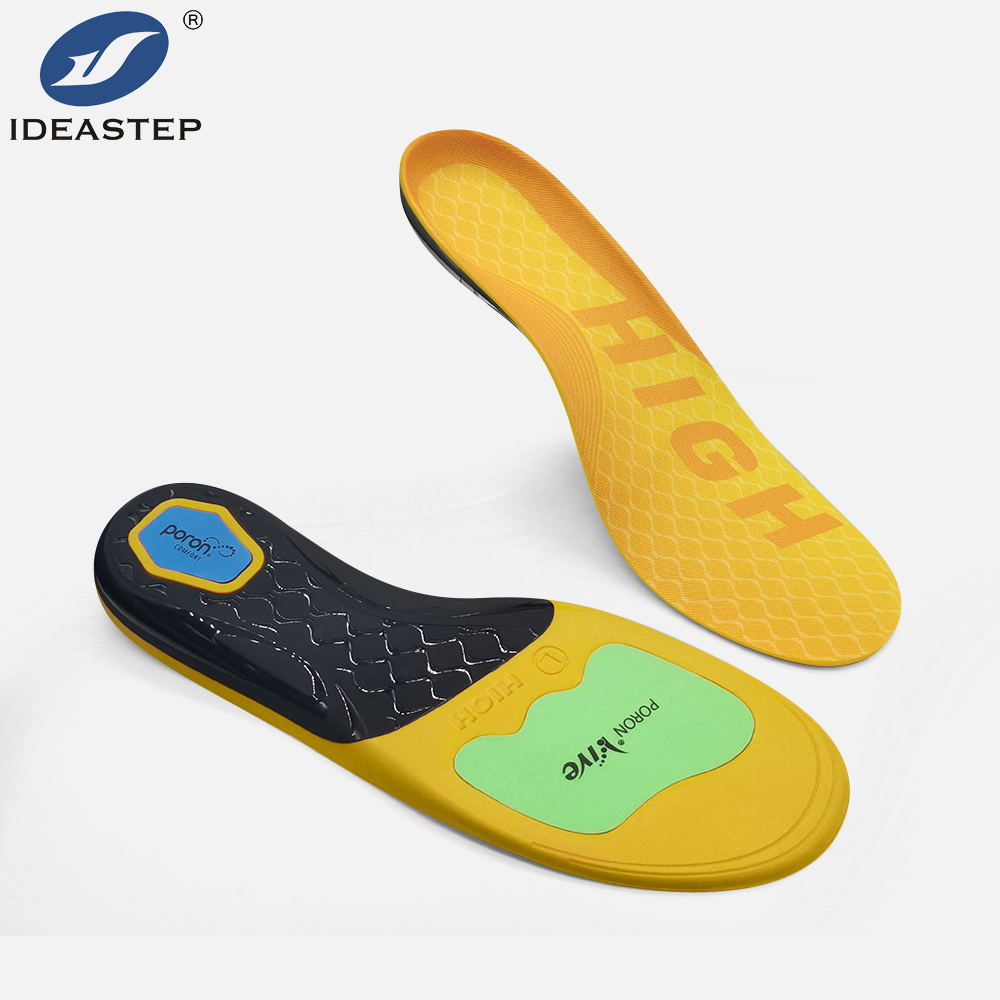
Custom orthopedic insoles are designed to:
- Redistribute plantar pressure
- Adjust gait patterns
- Reduce abnormal joint stress transmission
In simple terms, they are a biomechanical intervention tool, not just a comfort product.
2. Who Benefits the Most from Custom Orthopedic Insoles?
Based on real usage scenarios, not everyone actually needs custom insoles.
2.1 People with Clear Foot Conditions
- Plantar fasciitis (morning heel pain)
- Flat feet or collapsed arches
- High arches causing lateral foot pressure
These users typically have structural foot imbalances.
2.2 People Who Stand or Walk for Long Hours
- Healthcare workers
- Retail and service employees
- Factory and industrial workers
For them, the issue is often fatigue rather than pain.
2.3 Active Sports Users
Such as runners, gym users, and basketball players.
Common improvements include:
- More stable landing
- Reduced knee stress
- Faster recovery after exercise
3. Who May Not Need Custom Orthopedic Insoles?
This is something many sellers don’t clearly explain.
If you only experience:
- Mild foot fatigue
- Occasional discomfort
- No structural foot issues
Then standard insoles are usually sufficient.
In these cases, custom insoles may not provide strong cost-effectiveness.
4. Do They Really Work? The Real Experience
The actual user experience is usually gradual, not immediate.
Week 1
Many users feel uncomfortable or “not used to it.”
Weeks 2–3
The body begins to adapt, and walking feels less tiring.
Weeks 3–6
Some users notice reduced pain and improved stability.
However, it is important to understand:
They are not pain relief products. They are long-term biomechanical adjustment tools.
5. Why Do Some People Say They Don’t Work?
In reality, user opinions vary significantly. This is usually not because the product is ineffective, but due to the following reasons:
5.1 No Adaptation Period
Many users stop using them too early because they feel discomfort in the first week.
5.2 Differences in Customization Quality
In the industry, quality varies due to:
- Accuracy of foot scanning
- Design capability of manufacturers
- Material density consistency
The same “custom insole” can deliver very different experiences.
5.3 Unrealistic Expectations
Some users expect:
- Instant pain relief
- Complete problem solving
- Immediate transformation
But in reality:
They improve biomechanics rather than cure problems instantly.
6. Are They Expensive? Is the Value Worth It?
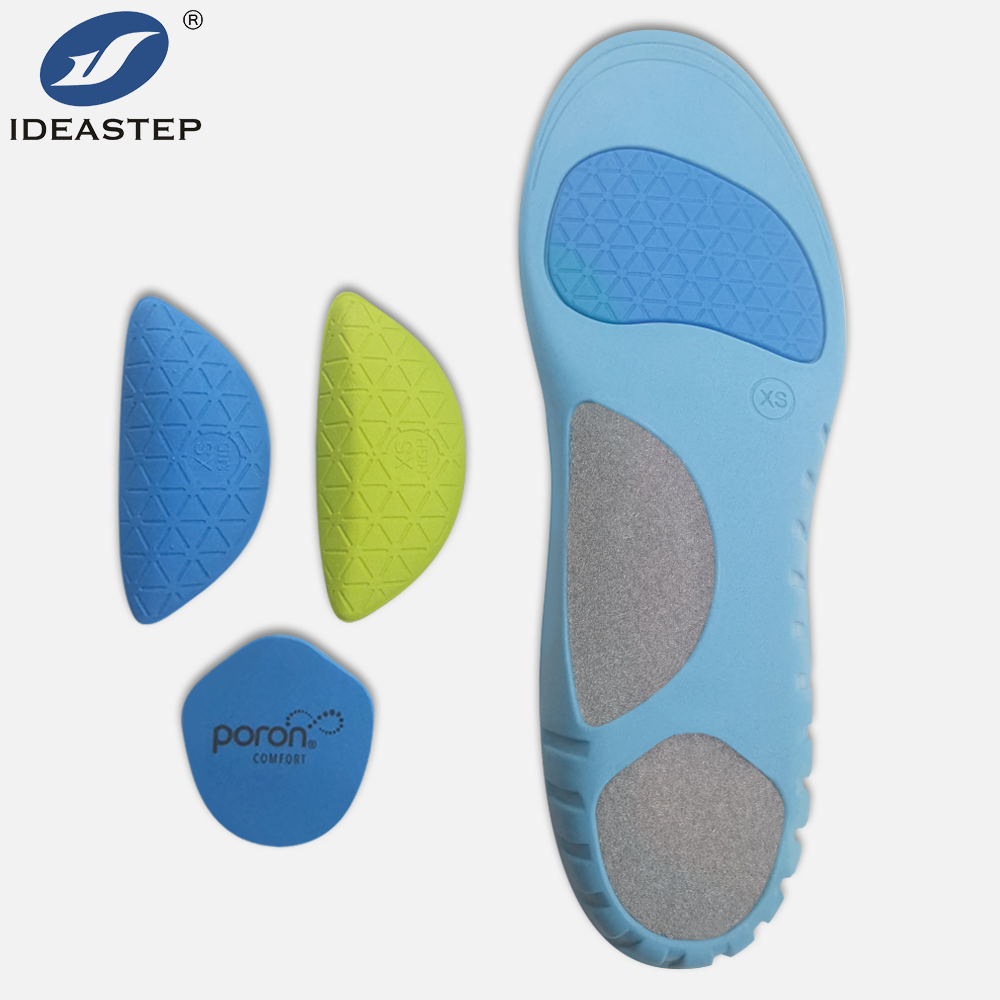
Custom orthopedic insoles are more expensive than standard insoles, but value should not be judged by upfront cost alone.
Typical usage lifespan is 6 months to 2 years.
When calculated on a daily basis, the cost is relatively low.
More importantly, they may provide long-term benefits such as:
- Reduced chronic pain impact
- Improved movement stability
- Lower risk of repetitive injuries
7. What Doctors and the Industry Actually Think
In podiatry and rehabilitation medicine, orthopedic insoles are typically viewed as:
- Part of conservative treatment
- Used alongside physical therapy
- Suitable for structural foot conditions
However, they are rarely considered a standalone solution.
8. One Important Reality: Results Vary from Person to Person
The same insoles can produce very different outcomes depending on:
- Foot structure differences
- Usage habits
- Customization accuracy
- Adaptation consistency
This is why no professional supplier guarantees 100% identical results.
9. Conclusion: Are They Worth It?
To summarize in a more practical way:
Whether custom orthopedic insoles are worth it depends not on the product itself, but on whether your feet actually need structural correction.
✔ Worth it if you have:
- Chronic foot pain or plantar fasciitis
- Flat feet or high arches
- Long hours of standing or intense physical activity
✘ Not necessary if you only want:
- Basic comfort improvement
- No clear foot issues
- Instant results
Final Thought
Custom orthopedic insoles are not “upgraded comfort insoles.” They are long-term biomechanical support tools designed to adjust how your body distributes pressure.
Whether they are worth it depends less on the product—and more on whether your feet truly need that kind of correction.
You might also like these popular articles:How much do custom orthopedic inserts cost?