In real-world footwear development and OEM work boot programs, one question comes up repeatedly from both workers and brands:
What are the best insoles for work boots?
The honest answer is: there is no single “best” insole for everyone. In industrial environments, the right choice depends on working hours, floor conditions, foot structure, and boot design.
In practice, the best work boot insoles are those that can maintain support stability, reduce long-shift fatigue, and withstand repeated compression under load—not just feel soft at first wear.
Why Most Work Boots Alone Are Not Enough for Long Shifts
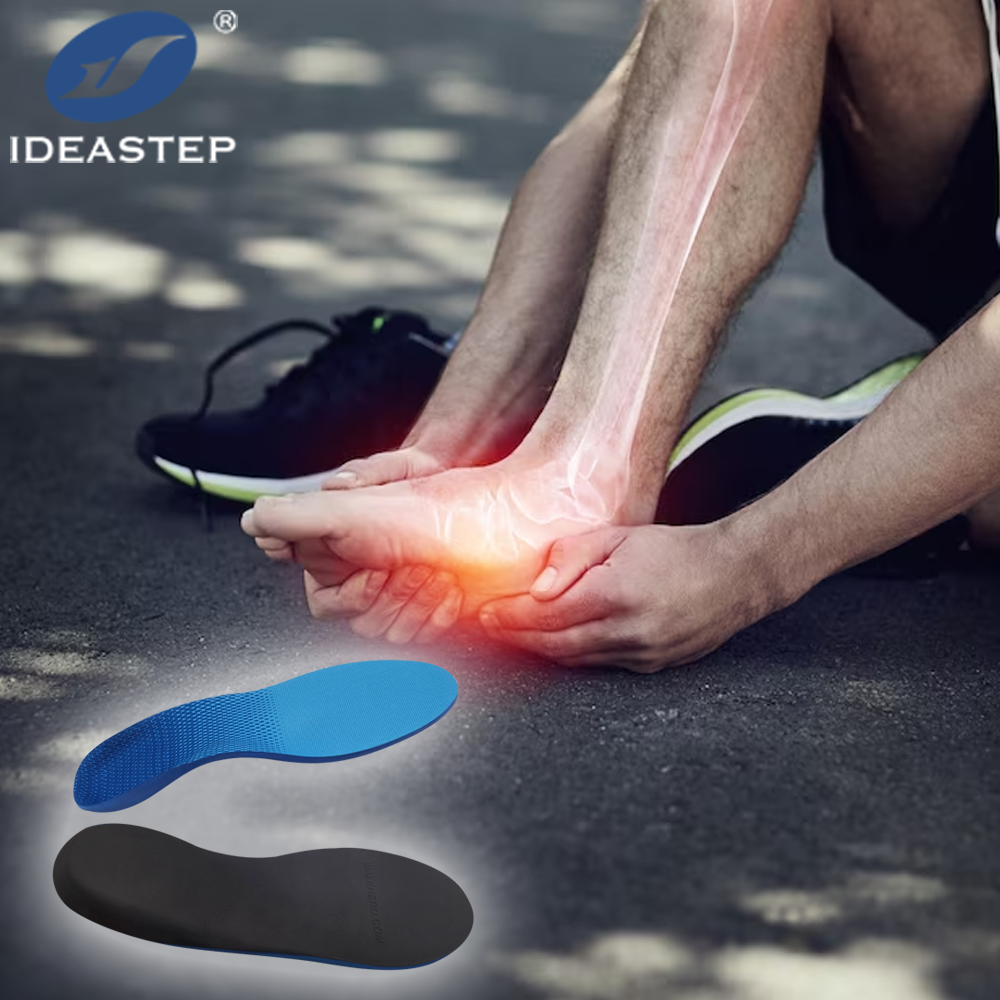
From an OEM and testing perspective, most standard work boots are engineered for protection, not long-term ergonomic comfort.
Steel toe protection, slip resistance, and puncture resistance are essential—but they do not solve fatigue issues during 8–12 hour shifts.
In many factory and warehouse-tested models, we still observe the same pattern:
- Flat EVA footbeds with minimal structure
- Rapid compression after repeated daily use
- Weak arch control under dynamic movement
- Limited energy return during walking or standing
After a few months of continuous industrial use, the insole often becomes a “thin layer” rather than a support system.
What Actually Makes the Best Insoles for Work Boots?
1. Arch Support That Maintains Foot Alignment
In industrial biomechanics, arch support is not just about comfort—it affects the entire kinetic chain.
When the arch collapses or lacks structure, it often leads to:
- Overpronation during walking
- Uneven pressure distribution
- Increased stress on knees and lower back
A well-designed insole provides stable medial arch support to help maintain natural foot alignment throughout long shifts.
2. Shock Absorption Under Real Ground Conditions
Work environments such as concrete floors and steel platforms generate continuous impact forces with every step.
Instead of focusing only on softness, industrial insoles are designed to manage impact energy across the entire footbed.
This includes heel strike control and midsole cushioning response, which helps reduce cumulative fatigue over time.
::contentReference[oaicite:0]{index=0}
Even small reductions in repetitive impact load can significantly improve comfort during long working hours.
3. Pressure Redistribution Across the Foot
One of the most important but often overlooked functions of a quality insole is pressure management.
Instead of allowing force to concentrate in the heel or forefoot, the best insoles help distribute load more evenly across the plantar surface.
This helps reduce discomfort in high-pressure zones and supports more stable standing posture.
4. Multi-Material Structural Design
In industrial-grade insole development, a single material is rarely enough.
Most high-performance systems combine different materials for different functions:
- EVA foam: lightweight cushioning and basic shock absorption
- PU foam: long-term durability and structural stability
- TPU support shell: arch reinforcement and motion control
- Gel zones: targeted heel or forefoot impact relief
This layered structure allows the insole to perform consistently under heavy daily use.
5. Durability in Industrial Environments
Unlike casual footwear, work boot insoles are exposed to:
- Long hours of continuous load
- Moisture from sweat and environment
- Temperature fluctuations
- High-frequency walking or standing cycles
Lower-quality materials tend to lose structure quickly. Once compression sets in, both cushioning and support functions decline at the same time.
Types of Insoles Used in Work Boots (Real Application View)
1. Basic Comfort Insoles
These are typically soft EVA-based insoles designed for initial comfort. They are suitable for light-duty work or short shifts, but they offer limited biomechanical support.
2. Orthotic Support Insoles
Orthotic insoles are designed to improve foot alignment and control movement patterns.
They are commonly used in cases involving:
- Foot fatigue after long standing
- Heel discomfort
- Mild to moderate overpronation
3. Heavy-Duty Industrial Insoles
These insoles are developed for demanding environments such as construction, logistics, and manufacturing.
They focus on structural stability, long-term compression resistance, and consistent support performance.
4. Custom Orthotic Insoles (OEM / ODM Solutions)
In professional footwear development, custom insoles are designed based on foot scanning data or specific industry requirements.
They are commonly used by:
- Work boot brands
- PPE manufacturers
- Orthopedic and medical suppliers
This approach allows control over arch height, density zoning, and functional structure based on real usage conditions.
Who Actually Needs the Best Insoles for Work Boots?
Industrial Workers on Hard Floors
Warehouse and factory workers often spend long hours on concrete surfaces, which increases repetitive impact stress.
Construction and Heavy Load Workers
Repetitive lifting and carrying increases load transmission through the lower limbs.
People with Foot Structure Issues
- Plantar fasciitis
- Flat feet
- High arches
- Heel pain or chronic discomfort
Long-Hour Standing Professionals
This includes retail staff, healthcare workers, and service industry employees who remain on their feet for most of the day.
Best Insoles by Foot Type (Practical Selection Guide)
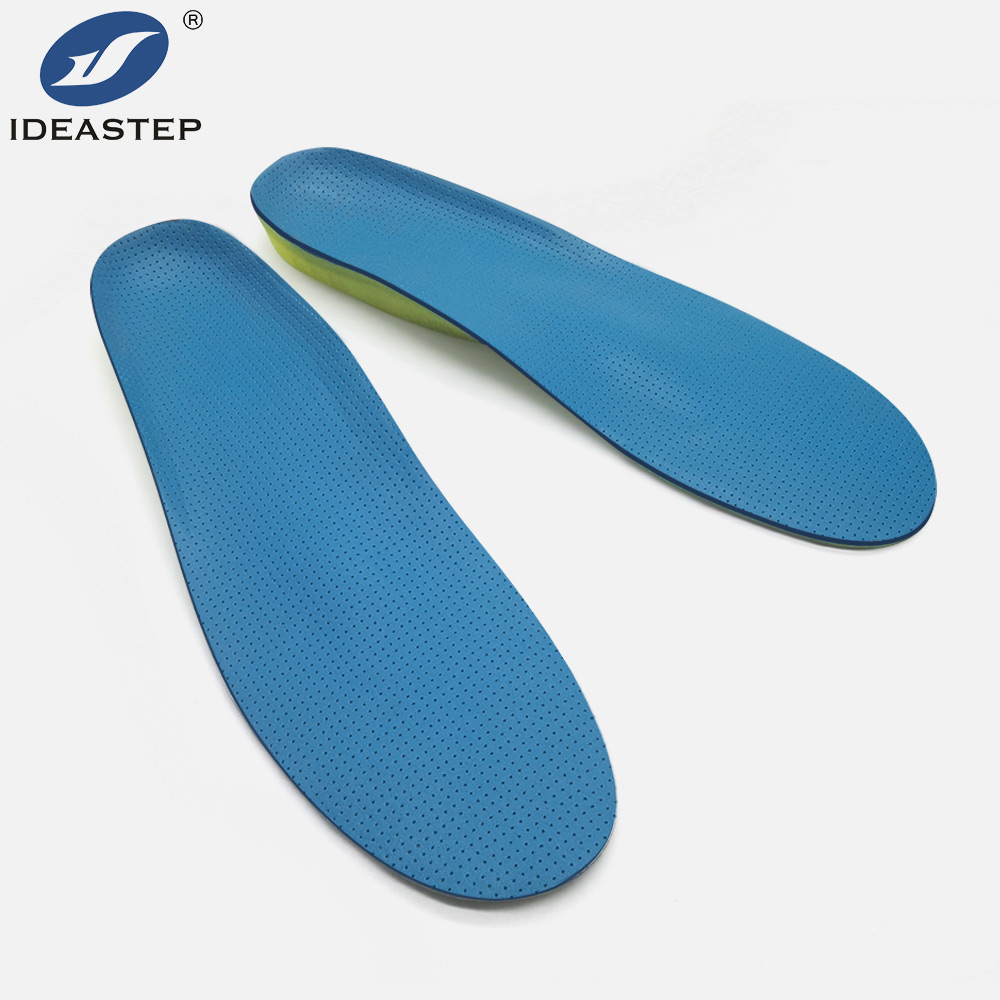
Flat Feet
Require structured arch support to reduce excessive inward rolling and improve stability during movement.
High Arches
Require higher cushioning capacity due to reduced natural shock absorption.
Neutral Arches
Benefit most from balanced support systems that combine moderate cushioning with stability control.
Best Materials Used in Work Boot Insoles
| Material | Function | Industrial Role |
|---|---|---|
| EVA Foam | Light cushioning and flexibility | General-purpose work environments |
| PU Foam | Durability and long-term resilience | Heavy-duty industrial applications |
| TPU Structure | Arch support and motion control | Orthotic-grade systems |
| Gel Inserts | Targeted pressure relief | Heel and forefoot impact zones |
Best Insoles vs Standard Factory Insoles
In most OEM work boots, factory insoles are designed as basic comfort components rather than performance systems.
Compared to them, industrial-grade insoles provide:
- More stable arch support over time
- Better resistance to compression fatigue
- Improved load distribution during standing
- More consistent comfort across long shifts
Common Mistakes When Choosing Work Boot Insoles
- Choosing overly soft insoles that collapse under load
- Ignoring foot arch type and gait pattern
- Selecting thickness that affects boot fit and stability
- Focusing only on comfort instead of structure
When Should Work Boot Insoles Be Replaced?
Even high-quality insoles degrade over time due to repeated compression cycles.
Common signs include:
- Flattened cushioning layer
- Loss of arch structure support
- Return of foot fatigue or discomfort
- Visible deformation in heel or forefoot zones
Typical replacement cycles:
- Moderate use: 6–12 months
- Heavy industrial use: 3–6 months
Why Work Boot Brands Are Upgrading Insole Systems
In modern industrial footwear development, insoles are no longer a secondary accessory. They are becoming part of the core performance system.
We are seeing more demand for:
- Multi-density cushioning structures
- Foot-type specific support designs
- Industry-targeted insole systems
- OEM/ODM customized development programs
This shift is largely driven by the need to improve workplace comfort, reduce fatigue-related issues, and enhance overall footwear value.
Conclusion: So, What Are the Best Insoles for Work Boots?
The best insoles for work boots are not defined by softness or material alone, but by how well they perform under real working conditions.
A truly effective insole should provide:
- Stable arch support
- Controlled shock absorption
- Balanced pressure distribution
- Long-term structural durability
- Compatibility with different foot types
In real industrial use, a well-engineered insole system can make a noticeable difference in fatigue levels, comfort, and long-term musculoskeletal health.
Ultimately, choosing the right insole is not just about comfort—it is about performance and occupational health.
Related product links: https://www.aideastep.com/product/3d-7-smart-relief-3d-printed-insole-all-day-comfort-antibacterial-protection/.