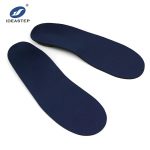
The global demand for functional footwear and foot care products continues to increase as consumers pay more attention to comfort, support, and long-term foot health. For footwear brands, healthcare companies, and distributors, developing high-quality orthotic insoles requires more than basic foam processing—it requires knowledge of biomechanics, material engineering, product design, and consistent manufacturing.
This is why many companies choose OEM orthotic insole manufacturing instead of building their own production facilities.
A professional OEM partner can help brands transform product concepts into market-ready solutions, from material selection and structural design to prototype development and mass production.
This guide explains how OEM orthotic insole manufacturing works, what brands can customize, and how to select the right manufacturing partner.
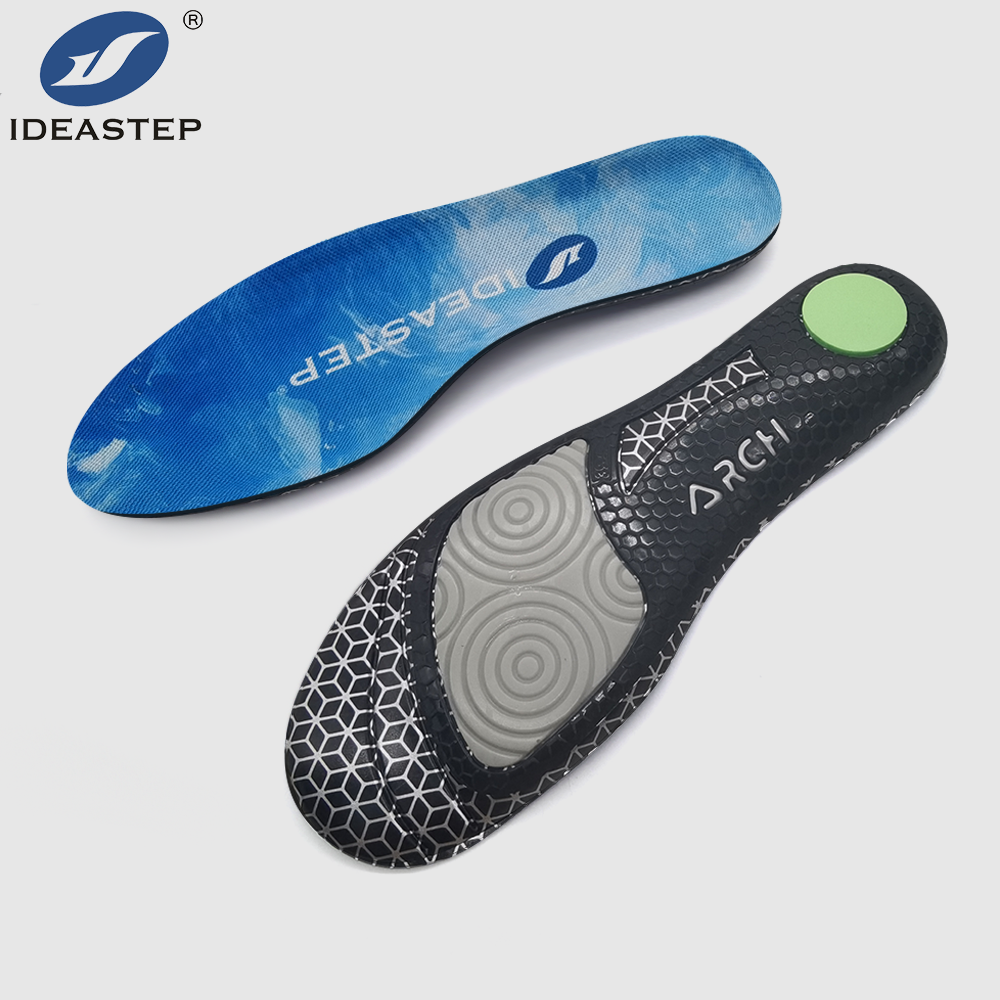
Why Brands Choose OEM Orthotic Insole Manufacturing
Launching an orthotic insole product line involves many technical challenges. Unlike standard comfort inserts, orthotic insoles require careful consideration of foot structure, support balance, cushioning performance, and user requirements.
For many brands, establishing an in-house manufacturing operation requires:
- High equipment investment
- Experienced technical teams
- Material development capabilities
- Production management resources
- Quality control systems
Working with an experienced orthotic insole OEM supplier allows brands to access established manufacturing expertise while focusing on product positioning, sales channels, and customer development.
OEM cooperation is especially valuable for companies entering markets such as:
- Medical foot care products
- Sports performance footwear
- Safety and work footwear
- Diabetic foot care solutions
What Is OEM Orthotic Insole Manufacturing?
OEM (Original Equipment Manufacturing) means a manufacturer produces products according to a customer’s specifications, including design requirements, materials, performance targets, and branding needs.
In the orthotic insole industry, OEM manufacturing can involve the complete product development process, from initial concept and engineering design to final production and packaging.
OEM vs ODM vs Private Label Orthotic Insoles
| Manufacturing Model | Description | Suitable For |
|---|---|---|
| OEM | The manufacturer produces insoles based on the brand owner’s specifications. | Established brands with defined product requirements. |
| ODM | The manufacturer provides product design and development support. | Companies seeking professional product solutions. |
| Private Label | Existing or customized products are sold under the customer’s brand. | Businesses entering the market quickly. |
Why Orthotic Insole Manufacturing Requires Specialized Expertise
Producing orthotic insoles is more complex than simply cutting foam into shape. The final product must balance comfort, support, durability, and user-specific requirements.
Understanding Foot Biomechanics
Every foot has different characteristics, including arch height, pressure distribution, and movement patterns.
A professional manufacturer considers factors such as:
- Low, medium, and high arch structures
- Pressure concentration areas
- Walking and standing patterns
- Required support level
Adding excessive support does not always improve comfort. The goal is to create the correct balance between stability and cushioning.
Material Combination Experience
High-performance orthotic insoles usually contain multiple layers, with each layer serving a specific purpose.
A typical structure may include:
- Comfort top layer for moisture management
- Cushioning layer for impact absorption
- Support layer for structural stability
The performance of an insole depends not only on individual materials but also on how these materials work together.
Manufacturing Consistency
For brands selling thousands of units, consistency is critical.
A reliable OEM manufacturer must control:
- Material density
- Hardness levels
- Thickness accuracy
- Bonding strength
- Product dimensions
What Can Be Customized in Orthotic Insoles?
One of the biggest advantages of OEM manufacturing is product customization.
Structural Design Customization
Brands can customize:
- Arch support height and shape
- Heel cup structure
- Metatarsal pad design
- Cushioning zones
- Multi-density layer construction
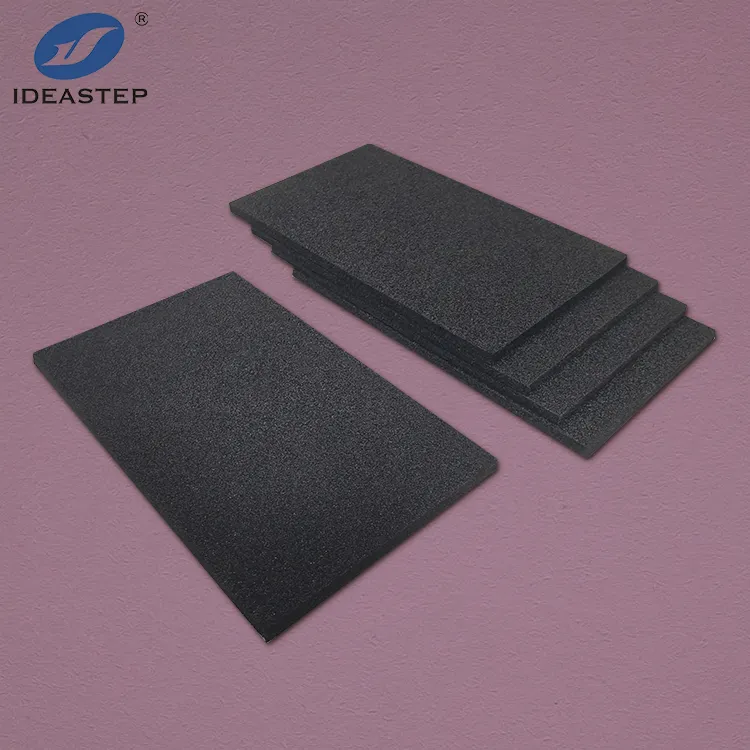
Material Customization
Different materials provide different performance characteristics.
| Material | Main Benefits | Common Applications |
|---|---|---|
| EVA Foam | Lightweight cushioning, flexibility, easy customization | General orthotic insoles, sports, everyday footwear |
| PU Foam | High resilience and long-term durability | Premium and heavy-use applications |
| TPU | Structural reinforcement and motion control | Orthotic support systems |
| Gel | Localized impact reduction | Heel and forefoot cushioning areas |
Brand and Packaging Customization
OEM services can also include:
- Logo printing
- Custom colors
- Private label solutions
- Retail packaging design
The Complete OEM Orthotic Insole Manufacturing Process
Step 1: Product Requirement Analysis
Every successful OEM project starts with understanding the product objective.
The manufacturer and brand should define:
- Target customers
- Application environment
- Price positioning
- Performance expectations
Step 2: Product Engineering and Design
During the design stage, engineers evaluate support requirements and material structures.
Development considerations include:
- Foot biomechanics
- Arch support configuration
- Pressure distribution
- Shoe compatibility
Step 3: Prototype Development and Testing
Before mass production, prototypes are developed and evaluated.
Testing may include:
- Compression resistance
- Hardness testing
- Rebound performance
- Wear evaluation
- Fit testing
Step 4: Mass Production and Quality Control
A professional manufacturing process includes multiple quality checkpoints:
- Incoming material inspection
- Production process monitoring
- Size and appearance inspection
- Final packaging inspection
How to Choose the Right Orthotic Insole OEM Supplier
1. Evaluate Technical Experience
Price is important, but technical capability determines long-term product success.
Brands should evaluate:
- Product development experience
- Material knowledge
- Customization capability
- Industry application experience
2. Check Custom Development Capability
A capable supplier should support more than standard products.
Look for the ability to develop:
- Custom structures
- Different density combinations
- Industry-specific solutions
- Private label products
3. Confirm Production and Quality Capacity
Before cooperation, brands should understand:
- Minimum order quantity (MOQ)
- Sample development process
- Production lead time
- Quality management procedures
Common Types of OEM Orthotic Insoles
Custom Orthotic Insoles
Designed for professional foot care applications, these products focus on personalized support and biomechanical improvement.
EVA Orthotic Insoles
EVA-based insoles are widely used because they provide lightweight cushioning and flexible design options.
Work Boot Insoles
Industrial work boot insoles require stronger durability, impact absorption, and support stability for long-hour use.
Diabetic Insoles
These products emphasize pressure redistribution and cushioning performance for sensitive foot conditions.
Common Mistakes Brands Should Avoid When Developing Orthotic Insoles
Choosing Only Based on Price
The cheapest option may reduce material quality, durability, and product consistency.
Skipping Prototype Testing
Without sample validation, products may fail to meet customer expectations after launch.
Ignoring Target User Requirements
A sports insole, medical orthotic insole, and work boot insole require completely different designs and performance priorities.
Conclusion: Building Successful Orthotic Insole Products Through OEM Manufacturing
OEM orthotic insole manufacturing provides brands with a practical way to develop customized foot care products without building their own production facilities.
However, successful cooperation depends on choosing a manufacturer with strong engineering knowledge, material expertise, production capability, and quality control systems.
The right OEM partner does more than manufacture products—they help brands create reliable solutions that meet real market needs.
Custom OEM Orthotic Insole Manufacturing Solutions
Ideastep provides OEM and ODM orthotic insole manufacturing solutions for footwear brands, healthcare companies, distributors, and professional foot care suppliers.
With experience in EVA, PU, TPU, and multi-layer insole development, we support customized designs, material selection, prototype development, private labeling, and bulk production.
Contact us to discuss your custom orthotic insole project and develop a solution designed for your target market.