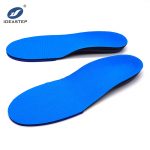
Introduction: How Professional Orthotic Insoles Factories Support Global Brands
Healthcare brands and distributors often face challenges when developing orthotic insole products, including material selection, product customization, quality consistency, and reliable supply.
Choosing the right orthotic insoles factory helps companies transform product concepts into market-ready solutions through professional development support, flexible manufacturing, and stable production capabilities.
An experienced manufacturer is not only responsible for producing finished products but also plays an important role in optimizing product structures, selecting suitable materials, and supporting long-term business growth.
This article explores how professional orthotic insole manufacturers support global healthcare brands through customized product development and OEM manufacturing solutions.
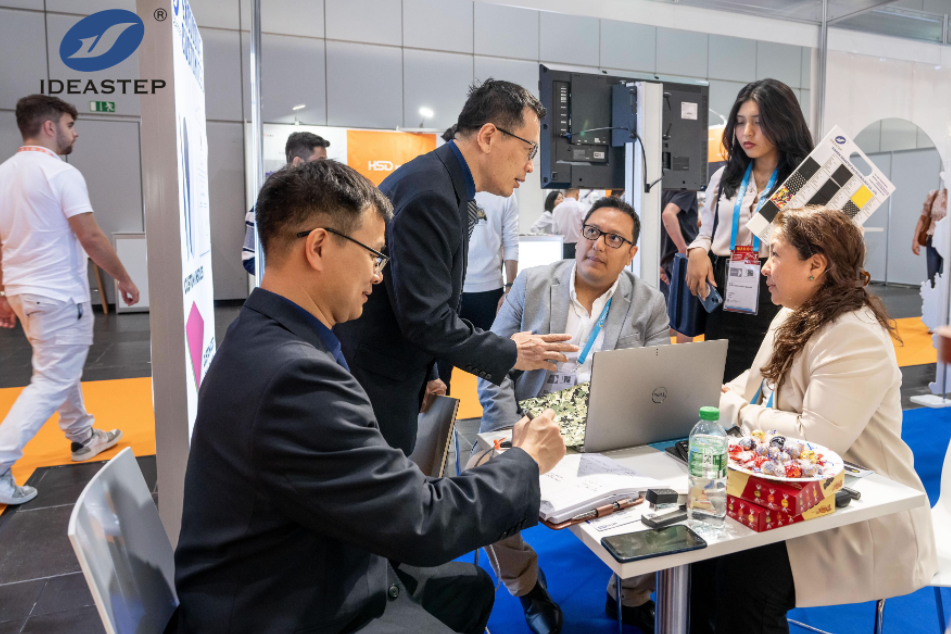
What Global Buyers Expect from an Orthotic Insoles Factory
When selecting a manufacturing partner, healthcare companies and distributors usually focus on three core capabilities: product development, production reliability, and quality management.
Product Development Support
Orthotic insole projects often require customized solutions based on different applications, user groups, and market requirements.
An experienced custom orthotic insoles manufacturer can support customers with:
- Structural design optimization
- Material recommendations
- Cushioning solutions
- Prototype development
This allows brands to develop products that provide the required balance of support, comfort, and durability.
Reliable Manufacturing Capability
For global buyers, stable production is essential for maintaining continuous product supply.
A qualified manufacturer should have experience in:
- Bulk production management
- Consistent manufacturing processes
- Flexible order requirements
- On-time delivery
Reliable production capability helps distributors and healthcare brands reduce supply risks and maintain stable market operations.
Quality Control and Product Consistency
Orthotic products require stable performance across different production batches.
Professional factories typically control quality through:
- Incoming material inspection
- Production process monitoring
- Final product evaluation
A complete quality management system helps ensure consistent product performance and supports long-term cooperation with international customers.
Case Study 1: Custom Orthotic Insoles Development for a Healthcare Brand
Customer Challenge
A global healthcare brand planned to expand its foot care product range and required a manufacturing partner to develop customized orthotic insoles.
The customer needed a supplier that could provide:
- Customized support structures
- Suitable material combinations
- Stable mass production
- Consistent product performance
The main challenge was creating a product that balanced functional support with daily wearing comfort while meeting the brand’s quality requirements.
Manufacturing Approach
The manufacturer worked with the customer to develop a customized product solution.
Structural Optimization
The insole structure was adjusted according to product positioning, including:
- Arch support design
- Cushioning areas
- Overall footbed structure
This helped achieve the required support performance while maintaining user comfort.
Material Selection
Different material combinations were evaluated based on performance requirements.
Common materials included:
- EVA foam for lightweight cushioning
- TPU support layers for structural stability
- PU foam for comfort enhancement
- Fabric top layers for improved surface feel
Material selection was optimized according to the intended application and target market.
Prototype Testing and Improvement
Before mass production, prototypes were developed and refined based on customer feedback.
The process helped confirm:
- Product structure
- Material performance
- Manufacturing feasibility
Project Outcome
The healthcare brand successfully developed a customized orthotic insole product range with:
- Stable product quality
- Scalable production support
- Consistent manufacturing performance
The project demonstrated how an experienced manufacturer can help brands move from product ideas to reliable commercial solutions.
Case Study 2: OEM Orthotic Insoles Production for International Distribution
Customer Requirements
An international foot care distributor was looking for an OEM orthotic insoles supplier to expand its private label product portfolio.
The distributor required:
- Flexible customization options
- Stable bulk supply
- Consistent quality standards
- Support for different product specifications
Unlike standard products, private label projects require manufacturers to support both product customization and efficient production.
Production Support
The manufacturer provided complete OEM support throughout the project.
Key services included:
- Product consultation
- Material selection
- Sample confirmation
- Bulk production
- Quality inspection
Product specifications could be adjusted according to customer requirements, including:
- Support level
- Cushioning structure
- Material combinations
- Product appearance
This flexible production approach helped the distributor create differentiated products for its target market.
Project Outcome
With professional OEM manufacturing support, the distributor achieved:
- Reliable product supply
- Consistent production quality
- Improved product flexibility
The cooperation allowed the distributor to focus on market expansion while relying on a stable manufacturing partner.
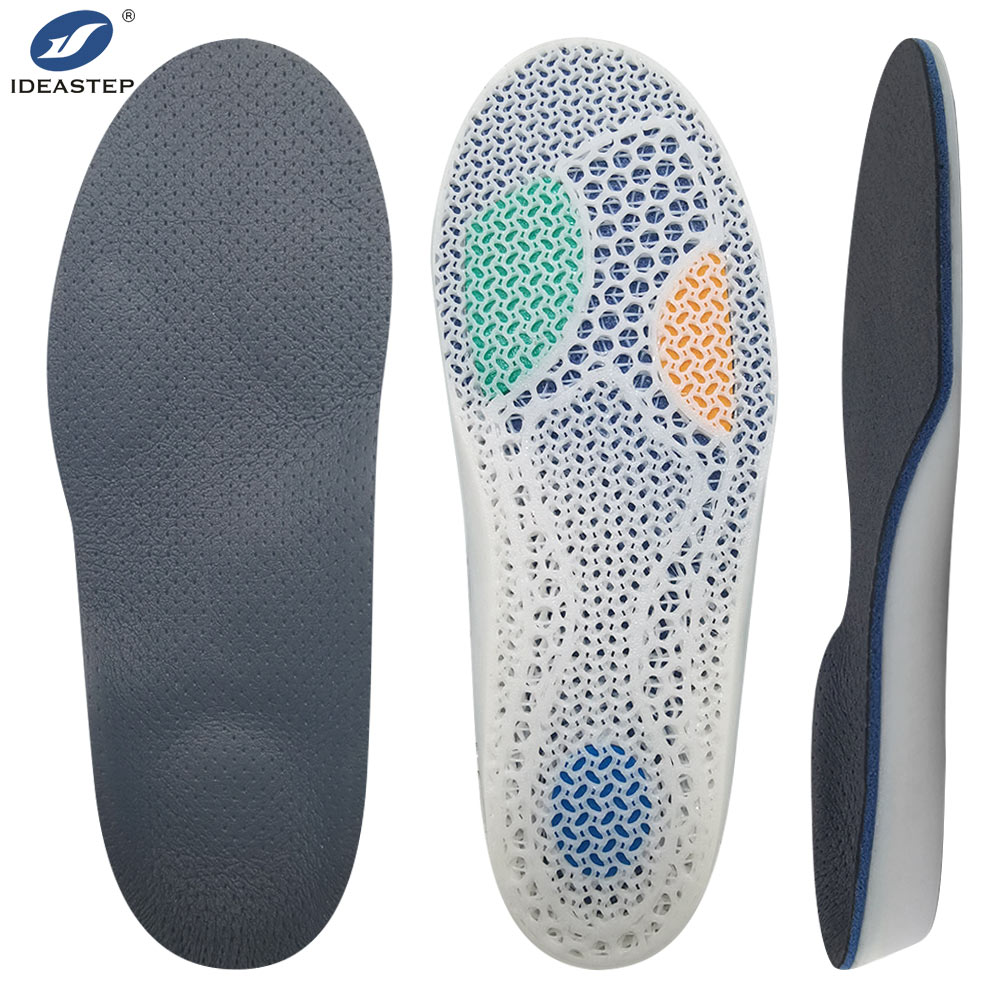
Manufacturing Expertise Behind Successful Orthotic Insole Projects
A successful orthotic insole project requires more than production equipment. It depends on technical experience, material knowledge, and process management.
Custom Development Capability
Professional manufacturers should have the ability to support customized product development.
Key capabilities include:
- Insole structure design
- Material combination development
- Product improvement suggestions
- Prototype adjustment
These capabilities help brands create products that meet specific market requirements.
Material Selection Experience
Material choice directly affects orthotic insole performance.
Different materials provide different advantages:
EVA Foam
EVA is commonly used for orthotic insoles because its density and hardness can be adjusted to balance cushioning, flexibility, and support.
TPU Support Layer
TPU helps improve structural stability and long-term support performance.
PU Foam
PU provides additional cushioning and comfort for various applications.
Gel Cushioning
Gel components can help improve impact absorption and pressure distribution.
Experienced manufacturers select material combinations based on product goals rather than using a single standard solution.
Quality Control System
Stable quality is essential for international B2B cooperation.
Professional factories manage quality through:
- Raw material inspection
- Production monitoring
- Finished product testing
These processes help maintain consistent performance during large-scale manufacturing.
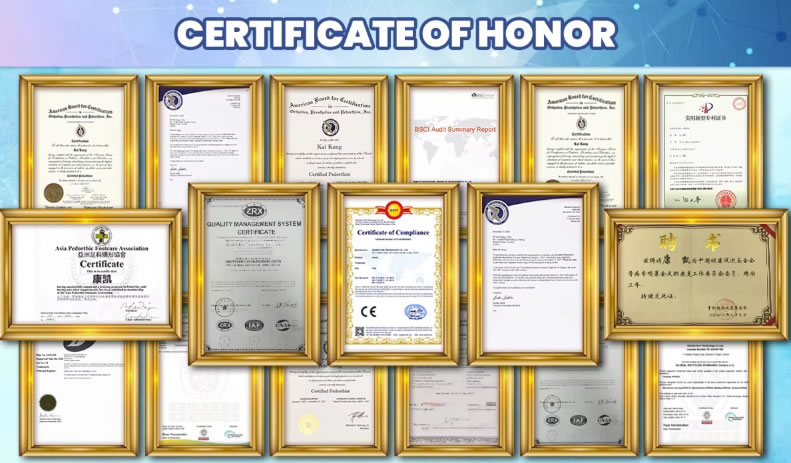
How to Choose a Reliable Orthotic Insoles Manufacturer
For healthcare brands and distributors, choosing the right supplier requires evaluating several important factors.
Manufacturing Experience
A reliable manufacturer should have:
- Experience with international customers
- Proven project cases
- Knowledge of orthotic product development
- Ability to support different market requirements
Experience helps reduce development risks and improves cooperation efficiency.
Customization and OEM Capability
For brands developing unique products, customization ability is essential.
Look for suppliers that provide:
- OEM orthotic insoles
- ODM development
- Private label insoles
- Custom orthotic solutions
A flexible supplier can better support product differentiation and market expansion.
Production Reliability
Long-term partnerships depend on stable manufacturing support.
Important factors include:
- Production capacity
- Quality consistency
- Delivery performance
- Technical communication
A reliable supplier becomes a strategic partner rather than only a product provider.
Building Long-Term Partnerships Through Professional Orthotic Insole Manufacturing
For global healthcare brands and distributors, selecting an experienced orthotic insoles factory is an important step toward building competitive foot care products.
A professional manufacturer provides more than production services. It offers:
- Product development expertise
- Material solutions
- OEM/ODM support
- Quality management
- Stable supply capability
By working with the right manufacturing partner, companies can reduce development challenges, improve product quality, and create long-term value in the global orthotic insole market.
Conclusion: Supporting Global Healthcare Brands with Manufacturing Expertise
Successful orthotic insole projects require a combination of product development experience, material expertise, manufacturing capability, and quality control.
For companies seeking reliable custom orthotic insoles manufacturer solutions, partnering with an experienced factory helps ensure consistent quality and efficient production.
Through flexible customization and professional manufacturing support, orthotic insole factories can help healthcare brands and distributors develop products that meet changing market demands and achieve sustainable growth.
Related Reading: From Prototype to Mass Production: Our Orthotic OEM Journey.