Developing a successful insole product requires more than adding a support component. Foot care brands, orthotic distributors, and footwear companies need a manufacturing partner who understands material performance, structural design, and production requirements.
Insoles with metatarsal pads combine targeted forefoot support with cushioning materials to help create functional foot care solutions. Through proper pad design, material selection, and manufacturing processes, these products can be developed for healthcare suppliers, comfort footwear brands, sports applications, and private label programs.
From initial product concepts to bulk production, an experienced orthotic insole manufacturer can help businesses optimize product structure, select suitable materials, and develop solutions that match different market requirements.
Design Considerations for Metatarsal Pad Insoles
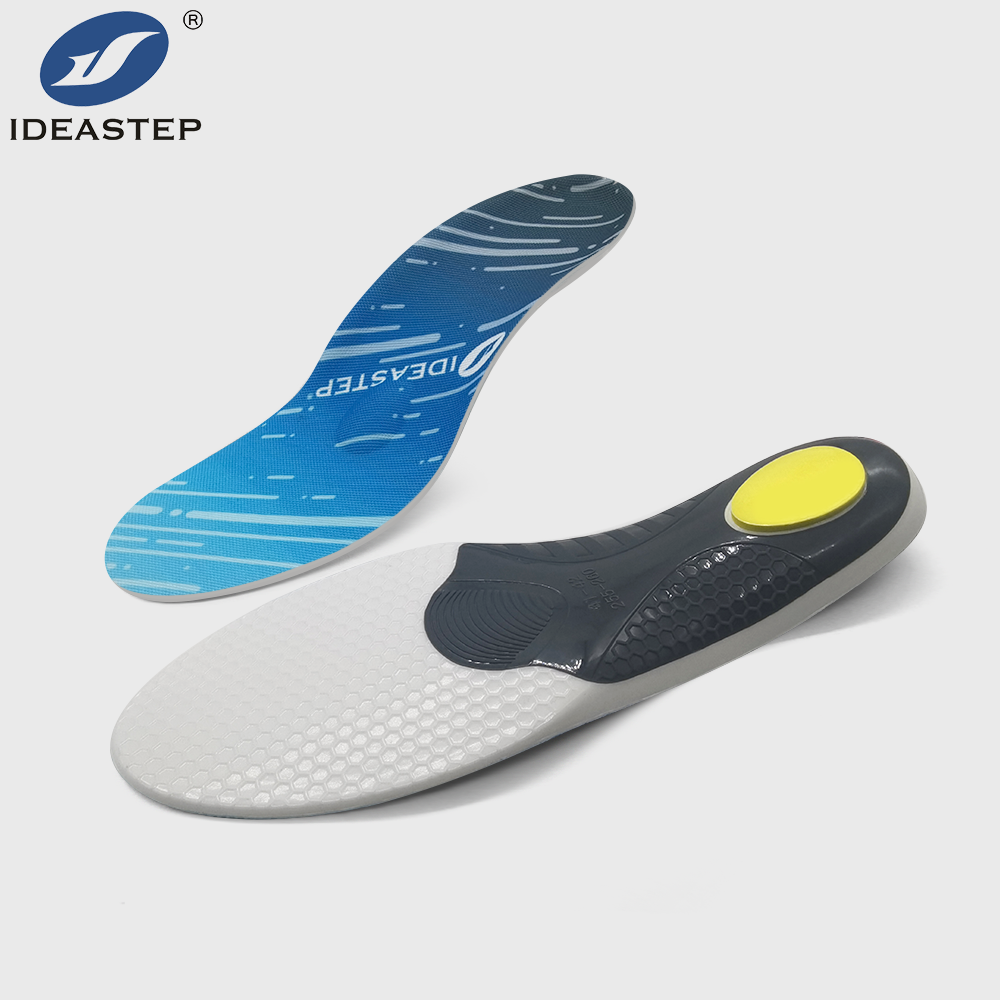
The performance of a metatarsal support insole depends on more than the presence of a pad. During product development, manufacturers need to evaluate the relationship between pad position, height, density, and the overall insole structure.
Important design factors include:
- Pad position and shape: The location and geometry of the metatarsal pad influence support performance and wearing comfort.
- Density and hardness: Different materials and firmness levels can be selected based on medical, comfort, or sports applications.
- Footwear compatibility: The insole structure needs to fit different shoe designs, including casual shoes, sports footwear, and work boots.
- Layer integration: Cushioning, support, and anti-slip functions should work together to create a balanced product structure.
For custom projects, manufacturers may adjust pad height, material density, and support structures through sampling and testing to achieve the desired product performance.
Material Combination for Different Product Requirements
Different markets require different combinations of cushioning, support, and durability. Selecting the right materials is an important part of developing competitive orthotic products.
EVA Foam for Lightweight Cushioning
EVA is widely used in orthotic insole manufacturing because it provides lightweight cushioning, flexible processing options, and adjustable hardness.
By controlling EVA density and layer structure, manufacturers can create products with different levels of softness, support, and rebound performance for various footwear applications.
PU and Gel Materials for Comfort Performance
PU foam and gel components are often used in comfort-focused designs where shock absorption and underfoot cushioning are important.
These materials can be combined with other layers to improve wearing comfort while maintaining the required support characteristics.
TPU and Thermoplastic Components for Stability
TPU and thermoplastic structures provide additional support and shape retention for orthotic applications.
They are commonly used when products require improved stability, arch support, or long-term structural performance.
Multi-Layer Construction for Custom Orthotic Insoles
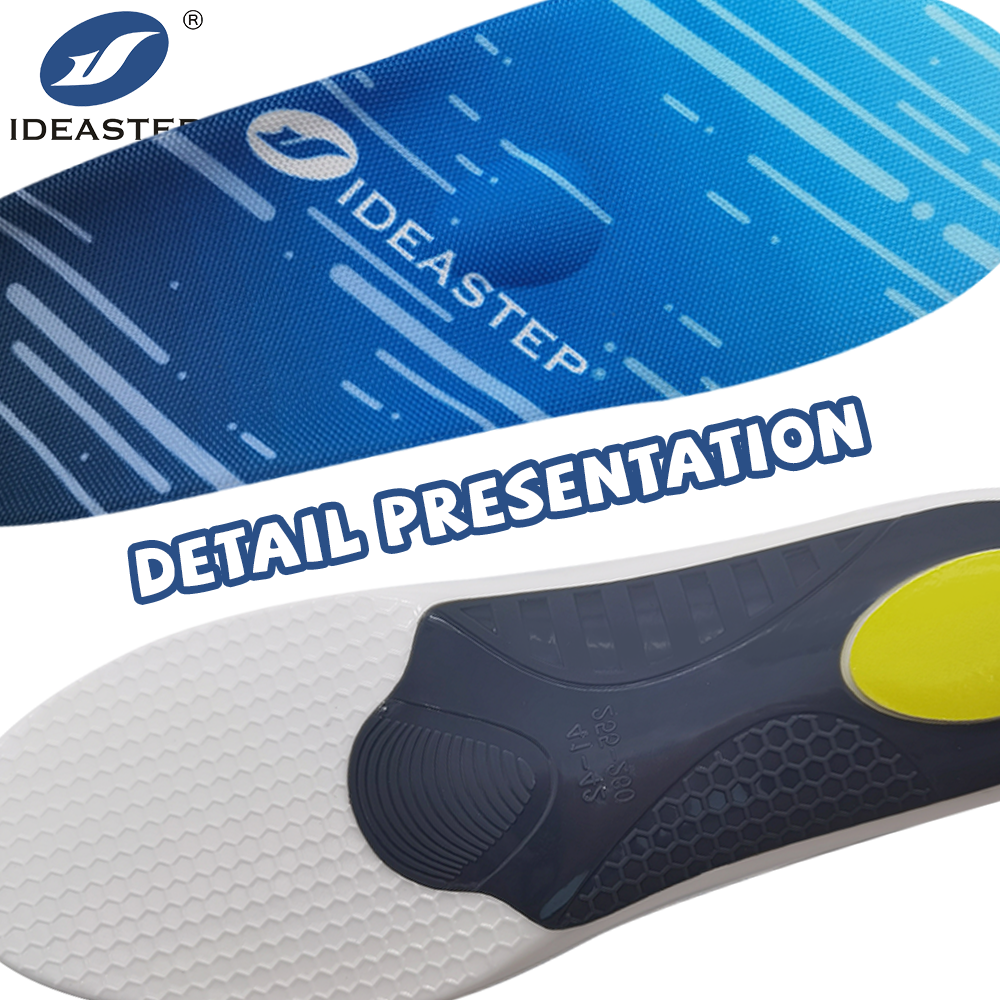
A well-designed custom orthotic insole usually combines multiple functional layers. Each layer can be adjusted according to the target market, footwear type, and product positioning.
- Top cover layer: Breathable fabric, microfiber, or velvet materials improve surface comfort and moisture management.
- Cushioning layer: EVA, PU, or gel materials help absorb impact and improve overall comfort.
- Support layer: TPU or thermoplastic components provide structural reinforcement and stability.
- Bottom layer: Anti-slip materials improve grip and help maintain in-shoe positioning.
Through different layer combinations, manufacturers can develop products ranging from everyday comfort insoles to advanced orthotic solutions.
OEM and Private Label Manufacturing Process
Many brands require more flexibility than standard catalog products can offer. OEM and private label manufacturing allows companies to develop products based on their customer needs, pricing strategy, and market positioning.
A typical customization process includes:
1. Product Requirement Discussion
The manufacturer evaluates application requirements, target users, footwear compatibility, and expected performance.
2. Material Selection and Structure Development
Based on product goals, suitable materials, support structures, and layer combinations are recommended.
3. Prototype Sampling and Adjustment
Samples are developed for evaluation, allowing adjustments to pad design, comfort level, and product structure before mass production.
4. Bulk Production and Quality Control
After approval, production follows standardized processes to maintain consistency across different orders.
This development approach helps brands create differentiated OEM orthotic insoles while reducing product development risks.
Applications for Healthcare and Footwear Brands
Insoles with metatarsal pads can be developed for different industries requiring targeted support and comfort solutions.
- Healthcare suppliers: Develop functional foot care products for professional and rehabilitation markets.
- Foot care brands: Expand product lines with customized and private label solutions.
- Footwear manufacturers: Integrate functional insoles into comfort shoes, sports footwear, and specialty footwear.
Manufacturing Capabilities for Long-Term Partnerships
Choosing the right manufacturing partner is an important decision for companies building long-term foot care product lines. Beyond production capacity, businesses need technical support and consistent manufacturing processes.
A capable orthotic insole manufacturer should provide:
- Engineering support: Assistance with material selection, structural optimization, and product improvement.
- Flexible production capability: Support for product sampling, small trial orders, and volume manufacturing.
- Supply chain experience: Understanding of international requirements and long-term cooperation needs.
By combining product development knowledge with manufacturing expertise, we help brands and distributors create competitive foot care solutions for different markets.
FAQ About Insoles with Metatarsal Pads
Can you customize metatarsal pad insoles for private label brands?
Yes. Manufacturers can customize materials, pad structures, colors, branding, and packaging according to specific market requirements.
Can different materials be combined in one metatarsal support insole?
Yes. EVA, PU, TPU, gel, and other materials can be combined to achieve different levels of cushioning, support, and durability.
Do you provide samples before bulk production?
Yes. Product sampling and adjustment are commonly used during OEM development to confirm structure and performance before mass production.
Develop Custom Metatarsal Support Insoles with an Experienced Manufacturer
Creating successful foot care products requires a combination of design experience, material knowledge, and manufacturing capability. With customized structures, flexible material options, and OEM production support, brands can develop metatarsal support insoles that meet different market demands.
Contact us to discuss your custom metatarsal insole project, private label requirements, or wholesale production needs.
Related Reading: Shoe Inserts with Metatarsal Pads Manufacturer | Custom OEM Solutions.