Developing a successful orthotic product requires more than selecting a standard insole design. Foot care brands, healthcare suppliers, and footwear companies need solutions that combine functional support, material performance, and manufacturing flexibility.
Moldable foot insoles provide brands with greater possibilities for customized product development. By using heat-adjustable materials and carefully designed support structures, these insoles can be adapted for different applications, including medical foot care, comfort footwear, sports products, and private label programs.
For companies developing new orthotic products, working with an experienced orthotic insole manufacturer helps simplify product development, optimize materials, and ensure consistent production quality from prototype to mass manufacturing.
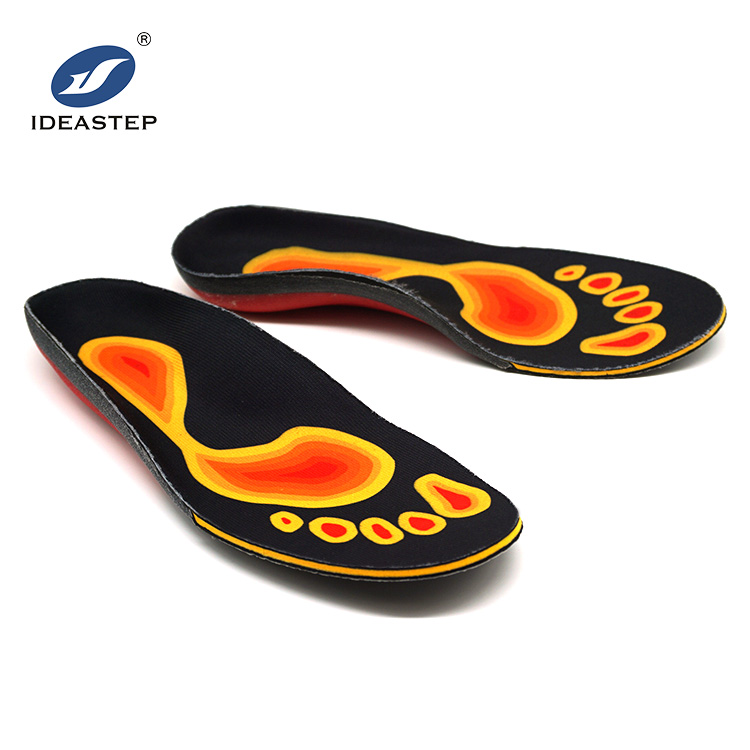
What Makes Moldable Foot Insoles Different?
Unlike fixed-shape insoles, moldable designs use heat-forming materials that allow controlled adjustments during the fitting and development process.
A typical moldable insole structure may combine:
- Thermoplastic support components for adjustable structure
- EVA or PU cushioning layers for comfort
- Breathable top covers for moisture management
- Anti-slip bottom layers for improved shoe stability
The key advantage of heat moldable insoles is flexibility. Manufacturers can adjust support levels, material combinations, and structural designs according to product requirements and target markets.
Material Selection and Structural Design
Material selection plays an important role in the performance of moldable orthotic products. Different applications require different combinations of cushioning, support, flexibility, and durability.
Thermoplastic Materials for Adjustable Support
Thermoplastic components are commonly used in moldable insoles because they can be reshaped through controlled heating.
During product development, manufacturers evaluate factors such as:
- Molding temperature
- Flexibility and support balance
- Shape retention after molding
- Compatibility with different footwear structures
Proper thermoplastic design allows the insole to provide customized support while maintaining long-term structural stability.
EVA and PU Materials for Cushioning Performance
EVA and PU foams are widely used in orthotic insole production because they provide different cushioning characteristics.
- EVA: Lightweight cushioning, adjustable hardness, and versatile processing options.
- PU: Soft comfort, shock absorption, and long-term cushioning performance.
By combining different foam densities and layer structures, manufacturers can create products suitable for walking footwear, sports shoes, work footwear, and healthcare applications.
Functional Top and Bottom Layers
Surface materials also influence the overall user experience.
Common options include:
- Microfiber and velvet covers for comfort
- Breathable textiles for moisture control
- Anti-slip materials for better in-shoe positioning
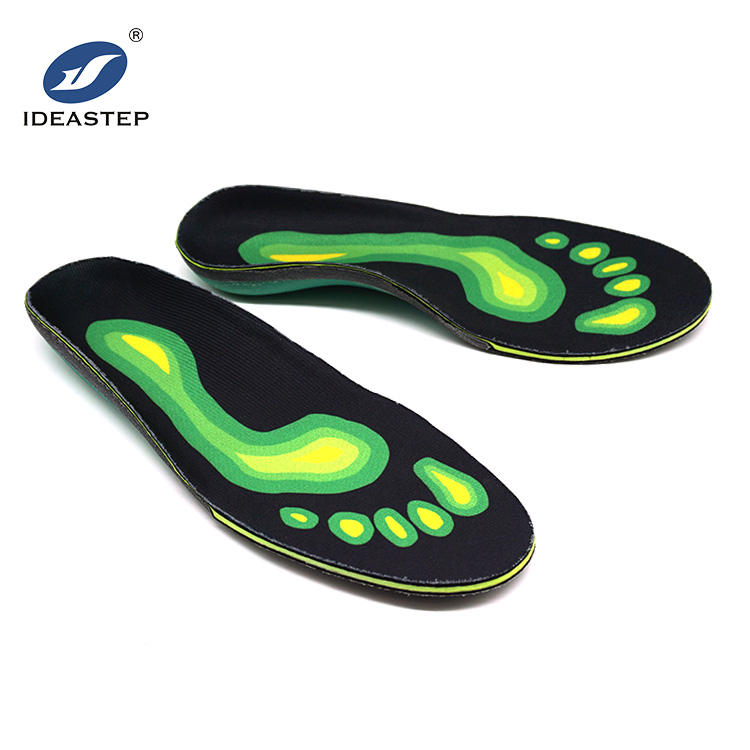
OEM Development Process for Moldable Foot Insoles
For brands and distributors, OEM development is not only about production. A complete process from concept evaluation to final manufacturing helps reduce development risks and improve product consistency.
1. Requirement Analysis
Manufacturers first review the product application, target users, footwear compatibility, and expected performance requirements.
2. Material and Structure Development
Based on product goals, suitable materials and construction methods are selected. This may include adjusting thermoplastic support, foam density, layer thickness, and overall insole structure.
3. Prototype Sampling and Adjustment
Prototype samples allow brands to evaluate comfort, support performance, appearance, and compatibility before moving into production.
During this stage, manufacturers can make adjustments to:
- Support structure
- Material combination
- Cushioning level
- Product dimensions
4. Mass Production and Quality Control
After sample approval, production focuses on maintaining consistent material performance, product specifications, and manufacturing standards across bulk orders.
Applications of Moldable Foot Insoles
Because of their adjustable structure and customizable design, moldable foot insoles are used across multiple industries.
- Healthcare suppliers: Develop orthotic products for professional foot care applications.
- Foot care brands: Create private label products with customized materials and branding.
- Footwear companies: Integrate functional insoles into comfort shoes, sports footwear, and specialty footwear.
Manufacturing Capabilities for Custom Orthotic Insoles
Choosing the right manufacturing partner is important for companies building long-term orthotic product lines. Beyond production capacity, brands need support in design optimization, material selection, and product improvement.
An experienced OEM manufacturer should have capabilities in:
- Material expertise: Understanding EVA, PU, TPU, thermoplastic materials, and functional layer combinations.
- Product development: Supporting prototype creation, structure adjustment, and performance optimization.
- Production management: Maintaining stable quality for both trial orders and large-volume manufacturing.
With the right manufacturing support, brands can develop competitive custom orthotic insoles while improving efficiency throughout the product development cycle.
FAQ About Moldable Foot Insoles
Can moldable foot insoles be customized for private label brands?
Yes. Manufacturers can customize materials, support structures, colors, branding, and packaging based on specific product requirements.
What materials are commonly used in moldable orthotic insoles?
Common materials include thermoplastic components, EVA foam, PU foam, microfiber, and other functional materials selected according to product performance goals.
Do manufacturers provide samples before bulk production?
Yes. Prototype sampling and product adjustments are commonly used to confirm design, comfort, and performance before mass production.
Develop Custom Moldable Insoles with an Experienced Manufacturer
Successful moldable insole products depend on the combination of suitable materials, accurate molding processes, and consistent manufacturing.
For brands, distributors, and healthcare companies looking for OEM orthotic products, partnering with an experienced manufacturer can provide the technical support and production capability needed to bring new products to market.
Contact us to discuss your moldable foot insole project, OEM requirements, or custom orthotic development needs.
Related Reading:
Customizable Insoles for Daily Walking with Heat Moldable Cushioning Support
What You Should Know Before Buying Heat Moldable Insoles Reviews and Real User Feedback