Customization is becoming increasingly important in the orthotic insole market. Wholesalers, distributors, footwear brands, and clinics need products that can adapt to different foot shapes, support requirements, and footwear applications.
Custom 3D printed insoles provide a flexible way to combine digital foot data with customized orthotic design. Compared with conventional manufacturing, 3D printing offers more freedom to adjust geometry, thickness, and internal structures, making it suitable for customized products, small-batch development, and OEM/ODM projects.
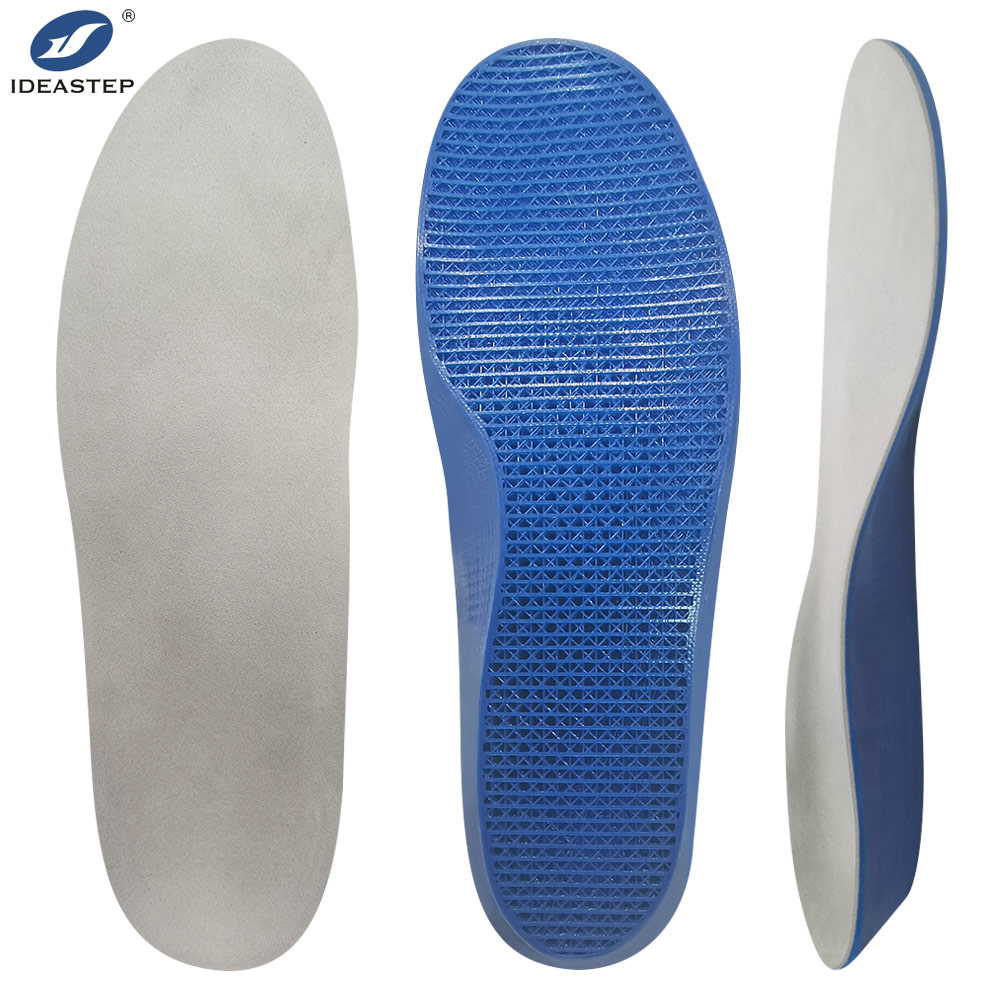
What Are Custom 3D Printed Insoles?
Custom 3D printed insoles are produced from digital designs based on foot measurements, 3D scans, or product specifications.
A typical workflow is:
Foot Data → Digital Design → 3D Printing → Finishing → Quality Inspection
The digital model can be adjusted for different foot profiles, support requirements, and footwear specifications without relying entirely on fixed shapes or molds.
How 3D Printing Supports Orthotic Customization
Customized Arch Support
The arch area can be adjusted according to the required support profile, including:
- Arch height
- Arch contour
- Support area
- Transition zones
This allows manufacturers to develop different support configurations for different applications.
Flexible Structural Design
3D printing provides more freedom to design the internal structure of an insole. Different areas can be configured for different functions, such as:
- Heel: cushioning and stability
- Midfoot: structural support
- Arch: customized support
- Forefoot: flexibility
Lattice structures and other patterns can also be used where appropriate to balance support, flexibility, and weight.
Customized Thickness and Geometry
The digital model can be adjusted in areas such as:
- Overall thickness
- Heel thickness
- Arch profile
- Forefoot flexibility
- Edge geometry
This is useful when developing insoles for different footwear types or shoes with limited internal space.
Key Benefits for B2B Buyers
Greater Design Flexibility
Digital designs can be modified as product requirements change. This makes it easier to develop different sizes, support profiles, and product versions.
Small-Batch Development
3D printing can be useful for:
- Custom orders
- Prototypes
- Small-batch production
- Sample development
- Product testing
This gives brands and distributors more flexibility when developing new products.
Repeatable Digital Production
Once a design is approved, the digital file can be stored for future orders. Approved changes can also be saved as new versions.
This helps simplify repeat production and product management.
Product Differentiation
3D printing allows brands to explore differences in geometry and structure rather than competing only on standard sizes and materials.
This can support product development for sports footwear, everyday shoes, work footwear, and specialized orthotic applications.
Custom 3D Printed Insoles vs. Traditional Manufacturing
The right manufacturing method depends on product volume, materials, design complexity, and customization requirements.
| Feature | Traditional Manufacturing | 3D Printed Insoles |
|---|---|---|
| Design flexibility | Moderate to high | High |
| Digital workflow | Varies | Strong |
| Custom geometry | Available | Highly flexible |
| Small-batch customization | Less flexible | More suitable |
| Design changes | May require physical modifications | Can be updated digitally |
| Complex structures | Process dependent | More design possibilities |
For customized products, one major difference is the direct connection between digital design and manufacturing.
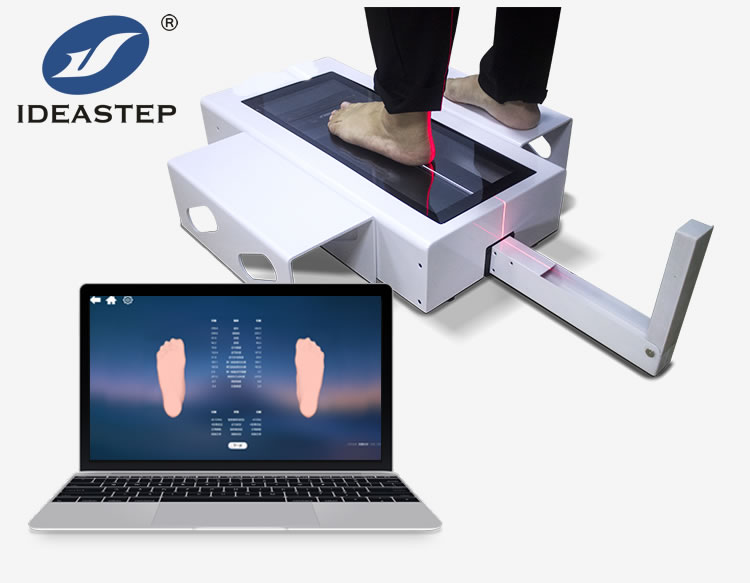
From Foot Data to Finished Insole
A typical 3D printed insole workflow includes five stages:
1. Foot Data Collection
3D scans, measurements, pressure data, or existing orthotic specifications may be used.
2. Digital Design
The arch profile, thickness, heel geometry, and support zones are adjusted according to the product requirements.
3. 3D Printing
The approved digital model is produced using the selected printing technology and material.
4. Finishing and Inspection
The product may undergo edge treatment, surface finishing, top-cover application, and dimensional inspection.
5. Design Optimization
For customized projects, fitting or testing feedback can be used to refine the digital design.
The process can be summarized as:
Scan → Design → Print → Inspect → Refine
Applications of 3D Printed Orthotic Insoles
Podiatry and Orthotic Clinics
Digital foot data can be used to develop insole designs around individual fitting requirements.
Sports Footwear
3D printing allows different combinations of support, flexibility, weight, and cushioning to be explored for running, training, cycling, and outdoor footwear.
Footwear Brands
Brands can use custom 3D printed insoles for customized footwear programs, new product development, and specialized insole collections.
Wholesalers and Distributors
Distributors can expand beyond standard prefabricated products by offering different support profiles and application-specific designs.
What Should B2B Buyers Look for in a Supplier?
The printer is only one part of the supplier’s capability. Buyers should also consider:
Material and Design Options
Check available options for materials, hardness, structural design, lattice structures, top covers, and cushioning components.
Customization Capability
For OEM/ODM projects, confirm whether the supplier supports:
- Custom geometry
- Different arch profiles
- Thickness adjustments
- Size variations
- Branding
- Private labeling
Digital Development
A capable supplier should be able to handle digital file processing, design adjustments, sample development, and repeat production.
Production and Quality Control
Before bulk production, review the supplier’s:
- Sample approval process
- Quality inspection
- Production capacity
- Dimensional consistency
- Packaging
- Lead times
- Repeat-order capability
The goal is to find a supplier that can move smoothly from prototype development to stable production.
Building a Scalable Custom Orthotic Program
For B2B businesses, the goal is not just to produce individual customized insoles, but to create a repeatable product system.
A practical process is:
Define the application → Establish the digital workflow → Develop support profiles → Validate samples → Standardize specifications → Scale production
This allows 3D printing to become part of a broader digital manufacturing workflow rather than a one-off customization method.
Frequently Asked Questions
Are custom 3D printed insoles fully customizable?
They can be customized in areas such as geometry, thickness, arch profile, and structural design. The available options depend on the materials, printing technology, and supplier.
Are 3D printed insoles suitable for sports footwear?
They can be developed for sports footwear when the material, structure, flexibility, and design are matched to the intended application.
Can 3D printed insoles support OEM and ODM projects?
Depending on the supplier, OEM/ODM services may include custom design, sampling, material selection, branding, packaging, and production.
What should wholesalers consider when sourcing 3D printed insoles?
Focus on customization capabilities, material options, sample development, quality control, production capacity, MOQ, lead time, and repeat-order support.
Conclusion
Custom 3D printed insoles give orthotic manufacturers and footwear businesses greater flexibility in product design and customization.
For wholesalers, distributors, footwear brands, and OEM/ODM buyers, the important factors go beyond printing technology. Design capability, material selection, quality control, and reliable repeat production all play a role in developing a successful custom orthotic product line.
Related Reading:
3D Printed Insoles for Footwear Brands: Breathable TPU Comfort Solutions
Custom 3D Printed Insoles Manufacturer for OEM Orthotic Solutions