Soccer cleats are designed for speed, traction, and close contact with the playing surface. With limited internal space, the insole must provide the required structure without adding unnecessary thickness or weight.
For manufacturers and wholesale buyers, carbon fiber insoles for soccer cleats need to balance structure, weight, flexibility, cushioning, and fit. Carbon fiber is important, but the complete insole construction determines the final result.
Start With the Soccer Cleat
Insole design should begin with the target cleat. Heel depth, arch shape, forefoot volume, and the original sockliner construction can vary between footwear models.
Before development, confirm:
- Target soccer cleat model
- Original insole dimensions
- Available internal volume
- Heel and arch shape
- Forefoot thickness
- Required size range
These specifications provide a clear starting point for sampling and help reduce fit adjustments later.
Carbon Fiber Layer Design
Carbon fiber can be used as a structural layer in either full-length or partial-length designs. Thickness, coverage, and shape should be selected according to the target cleat and required flex characteristics.
Key specifications include:
- Carbon fiber construction
- Plate thickness
- Length and coverage
- Shape and contour
- Edge treatment
- Flex profile
The objective is to achieve the required structure without making the insole unnecessarily rigid or bulky.
Material Selection
Carbon fiber is normally combined with foam and a top cover. Each layer affects the weight, thickness, feel, and durability of the finished insole.
Foam Layer
EVA, PU, and other foam materials can be used around the carbon fiber layer. Density and thickness can be adjusted according to the required cushioning, weight, and overall profile.
Top Cover
Mesh, polyester, microfiber, and other textiles are commonly used for the top cover. The choice depends on surface feel, wear resistance, appearance, and target cost.
OEM and private label products can also include customized colors, patterns, logos, and other branding details.
Control Weight and Thickness
Limited space inside soccer cleats makes weight and thickness important design parameters. Additional material can change the fit even when the insole itself is properly shaped.
Before sampling, define target specifications for:
- Total insole thickness
- Insole weight
- Carbon fiber thickness
- Foam density
- Foam thickness
These values should be verified on physical samples before the design is approved.
Fit Testing
Fit should be checked inside the actual target cleat. Pay particular attention to:
- Heel seating
- Arch position
- Forefoot clearance
- Edge contact
- Length and width
- Compatibility with the shoe construction
Testing the finished sample in the intended footwear helps identify thickness or dimensional issues before production.
Quality Control From Sample to Bulk
Once the sample is approved, its specifications should become the reference for production. Quality checks can include:
- Dimensional inspection
- Weight measurement
- Layer bonding
- Carbon fiber edge condition
- Repeated bending
- Top-cover inspection
Using consistent inspection criteria helps maintain the same construction across production batches.
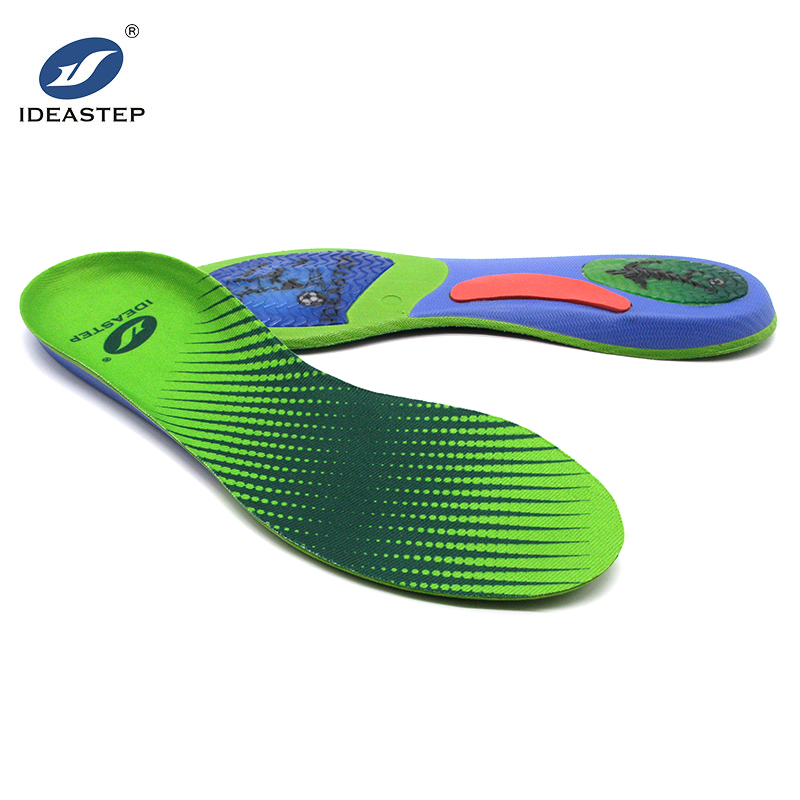
OEM and Private Label Customization
Carbon fiber insoles for soccer cleats can be developed for OEM and private label programs. Depending on the project, customization may include:
- Carbon fiber structure
- Foam type and density
- Insole thickness
- Heel and arch geometry
- Top-cover material
- Size grading
- Logo and packaging
When requesting samples, provide the target cleat, size range, material requirements, expected quantity, and branding specifications.
Specifications to Confirm Before Production
| Item | Specification to Confirm |
|---|---|
| Carbon Fiber | Construction, thickness, coverage, and flex |
| Foam | Material, density, and thickness |
| Fit | Dimensions, heel, arch, and forefoot profile |
| Surface | Top-cover material and branding |
| Quality | Inspection and testing requirements |
| Production | MOQ, lead time, and batch consistency |
A clear specification sheet keeps the approved sample and production batches aligned.
Develop the Insole Around the Footwear
Different soccer cleats may require different carbon fiber coverage, foam combinations, thicknesses, and flex profiles. The right construction depends on the footwear and the intended product specifications.
For wholesale and private label projects, the practical approach is to define the target specifications, test the complete insole inside the intended cleat, and use the approved sample as the production reference.
If you are developing a custom soccer insole, please contact our team with your cleat model, size range, material requirements, and target quantity.
Related Articles:
Why Carbon Fiber Insoles Are a Game-Changer for Soccer Players
Carbon Fiber Insoles for Soccer Cleats