Introduction
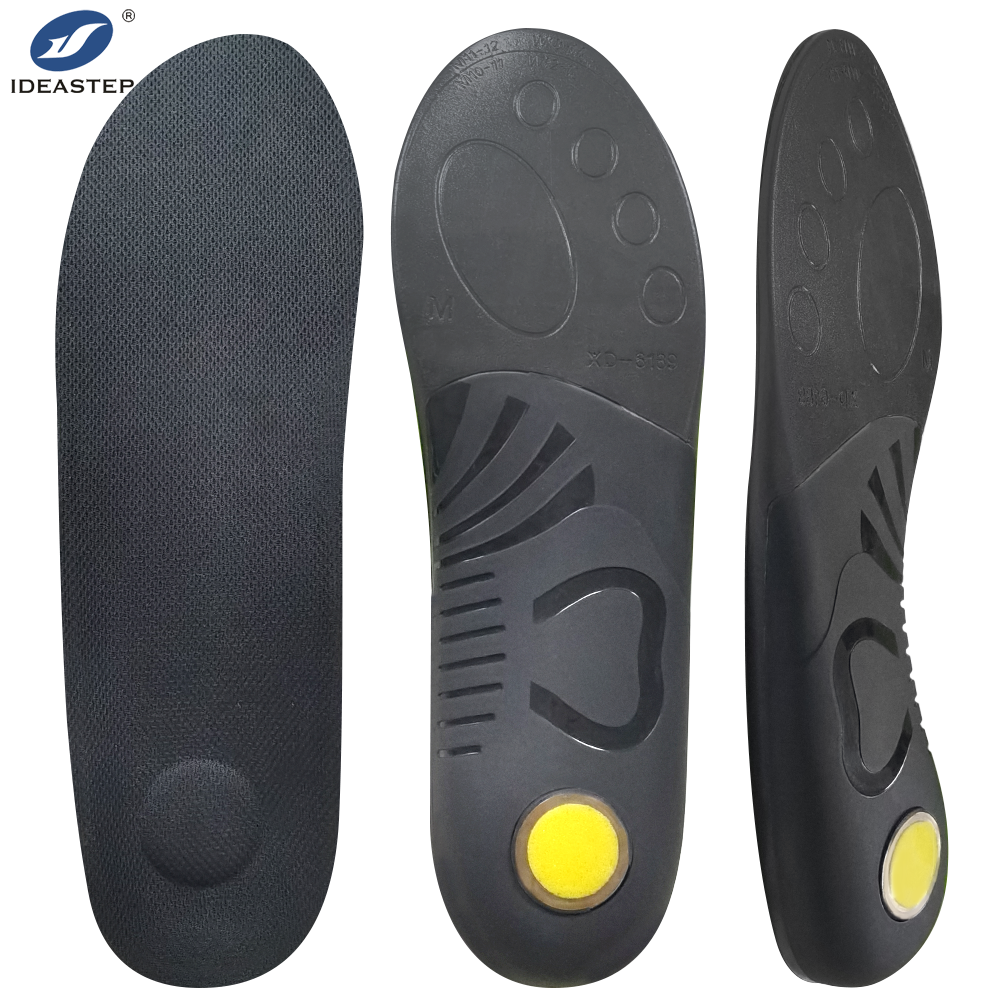
Footwear manufacturers, orthotic labs and foot care wholesalers rely on consistent, high-performance substrate materials to keep product lines profitable. polyurethane insoles remain a workhorse option for both finished shoe assembly and entry-level orthotic builds. Compared to standard EVA or latex inserts, polyurethane delivers dependable shock absorption, slow rebound and superior resistance to permanent compression. They fit well inside casual footwear, athletic shoes, safety boots and orthopaedic footwear alike.
Seasoned B2B buyers know that sample performance tells only part of the story. Batch consistency, material longevity and processing reliability directly shape your after-sales rate and long-term margins. This guide skips basic consumer-focused explanations and focuses on practical procurement benchmarks, quality screening criteria, manufacturing compatibility and wholesale benefits to help you build a more stable supply chain for polyurethane insoles.
Why Polyurethane Insoles Are Widely Used In Footwear And Orthotic Bulk Orders
Polyurethane has long been a trusted material choice for mid-tier footwear and basic orthotic insoles. It strikes a practical balance: softer cushioning than EVA without the sagging weakness seen in low-grade sponge materials.
For orthotic applications, PU distributes pressure evenly and reduces fatigue for users standing or walking for extended hours. For shoe factories, polyurethane insole blanks handle die cutting, thermoforming and lamination smoothly. Good processability keeps scrap rates low and supports steady mass production runs.
Key Material Performance Metrics For Bulk Buyers
Compression Resistance And Shape Recovery
A common failure point for budget insoles is permanent flattening after repeated load. Quality wholesale polyurethane insoles maintain stable thickness and cushioning thanks to a well-controlled polymer formula. They resist compression set and bounce back reliably after heavy use, preserving the intended foot support and reducing end-user complaints.
Density And Batch Uniformity
Batch variation creates headaches for footwear and orthotic production. Reliable polyurethane insoles maintain consistent density, thickness and firmness from one shipment to the next. You will not encounter uneven foaming, hollow spots or random shifts in softness. Uniform material properties mean predictable assembly and consistent end-product experience for your customers.
Breathability And Low-Odor Formulation
Controlled foaming creates micro pores that boost air flow and reduce trapped moisture inside footwear. We formulate our PU insoles to keep odor levels low and skin-safe. This meets export safety requirements and works well for all-day wear applications including work boots and everyday orthotic footwear.
Processing Compatibility
Wholesale polyurethane insoles are engineered for factory processing. They hold up through die cutting, edge trimming, heat forming, surface lamination and printing. The material resists chipping, tearing or delamination during conversion work, helping your team keep production yields high.
Bulk Quality Control Checklist For Polyurethane Insoles
Experienced buyers move beyond simple hand-feel sampling. When evaluating suppliers and incoming shipments, focus on four core checks.
First, inspect foam structure. Fine, even pore formation with no large voids or lumpy impurities. Second, test rebound. After compression, the material should return to its original thickness without permanent indentation.
Third, check surface condition. Flat, clean surfaces support clean lamination and bonding. Fourth, verify color consistency across batches to avoid mismatched finished goods.
Typical Sourcing Risks To Watch For
Many low-cost manufacturers cut corners by adding fillers or recycled raw material into their PU formula. While samples may look acceptable, mass shipments often suffer poor rebound, premature hardening, strong odors and inconsistent color. These defects drive returns and hurt your brand reputation.
Working with suppliers who use virgin-grade polyurethane and stable foaming processes minimizes these risks and keeps your after-sales costs under control.
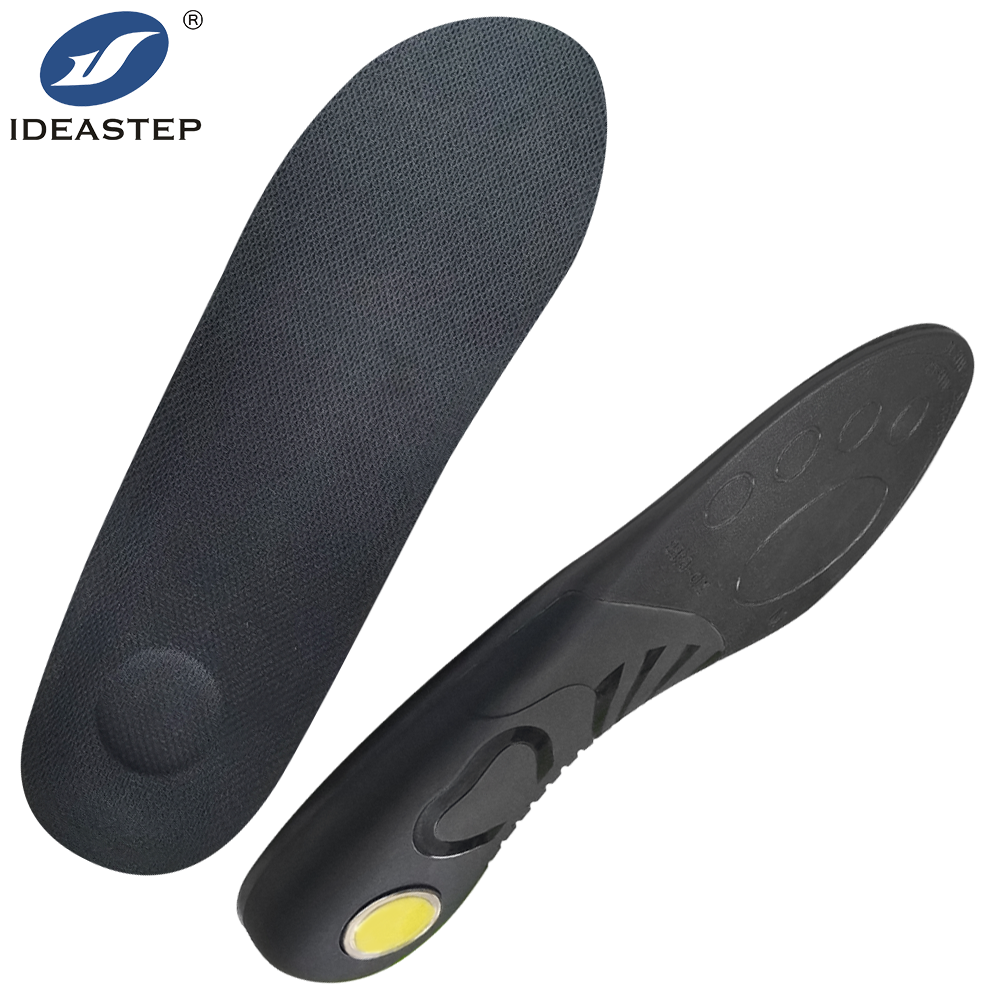
Wholesale Supply And OEM Customization Options
Custom Specs For Multiple Product Lines
We offer polyurethane insoles in a range of thickness, density and hardness grades. You can select formulations for casual shoes, sport footwear, safety footwear or basic orthotic inserts, matching comfort and support to your target product positioning.
OEM And Private Label Services
Our customization package includes fabric lamination, anti-slip surface finishing, logo printing, size marking and custom packaging. Flexible MOQ supports small trial orders as well as large recurring bulk shipments, letting you roll out branded insole products without heavy upfront investment.
Reliable Bulk Supply And Competitive Pricing
Automated production lines help us maintain consistent quality and predictable lead times. We optimize manufacturing costs while keeping material performance stable, delivering competitive wholesale pricing for long-term B2B partnerships.
Conclusion
Polyurethane insoles remain a foundational material for footwear makers and orthotic suppliers. Strong compression recovery, reliable comfort and good machinability make them ideal for large-volume sourcing. Consistent batch quality is what separates dependable suppliers from low-cost alternatives.
If you need a trusted supplier for bulk polyurethane insoles with OEM capabilities, reach out to our team to request samples, material test data and custom wholesale quotes.
Related Reading:
Why Polyurethane Soles Reign Supreme in the Footwear Battle
When Polyurethane Insoles Enhance Footwear Comfort and Performance