Foam-only insoles quickly compress under intense athletic load. They lose support and waste energy during fast movements. For sportswear brands and footwear suppliers, flexible carbon fiber insoles solve this common limitation.
Unlike fully rigid carbon plates, these insoles deliver controlled flexibility. They bend with natural foot motion while resisting unwanted torsion. This balance boosts stability, protects joints and enhances athletic performance. They have become a popular upgrade for premium sports footwear lines.
This B2B guide covers the structure, footwear fit and real-world performance of flexible carbon fiber insoles. It helps brand buyers and manufacturers evaluate product benefits, select suitable materials and source reliable bulk inventory.
Structural Design of Flexible Carbon Fiber Insoles
Performance starts with well-engineered multi-layer construction. This design moves past the single rigid carbon plate found in older styles.
Multi-Layer Composite Build
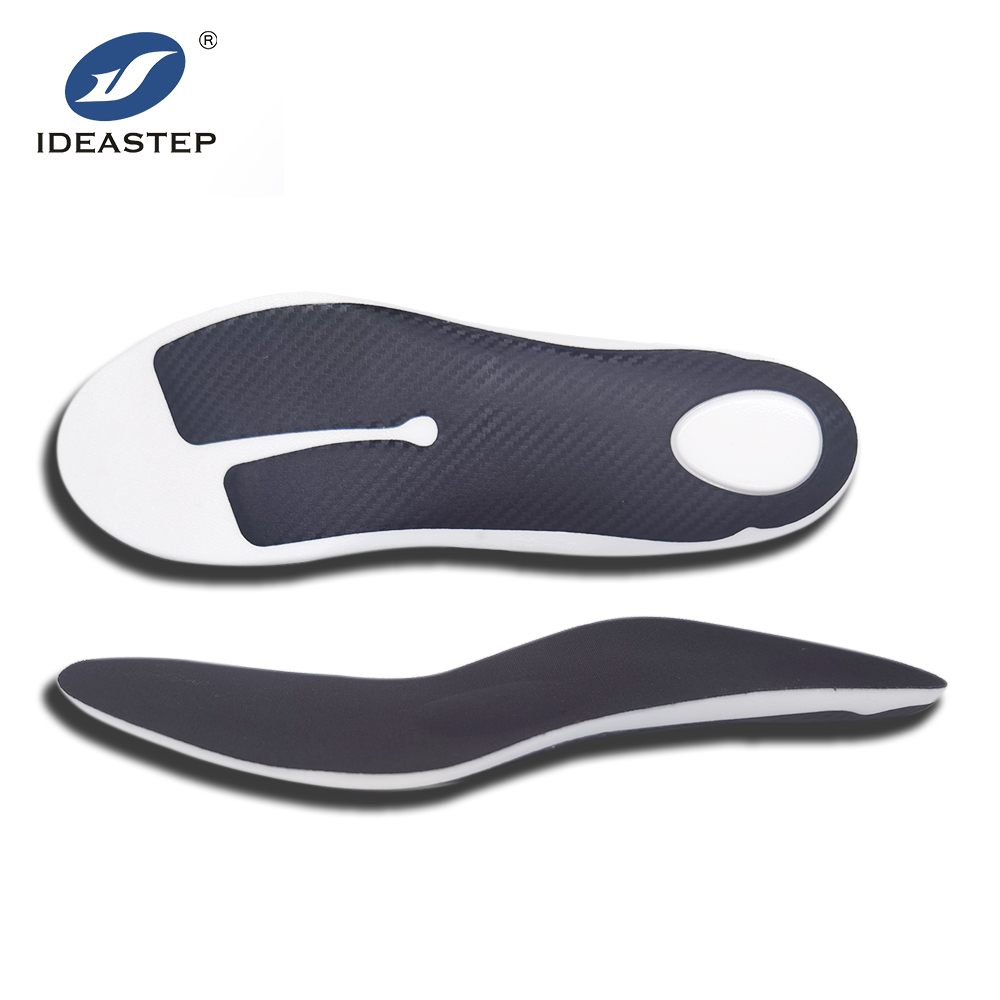
Quality sports insoles use a three-layer composite setup. A thin carbon fiber sheet forms the core. It handles torsion control and energy storage. Top and bottom cushion layers use high-elastic EVA or soft TPU. These materials soften contact and remove harsh hard-surface feel.
This layered design delivers two key benefits. It holds shape under load and bends naturally during movement. It avoids the stiff, bulky feel of full rigid carbon insoles.
Segmented Bending Zones
Top-grade flexible carbon fiber insoles include dedicated forefoot bending zones. The midfoot carbon section stays intact to preserve arch stability. The forefoot flexes freely when users run, jump or make sharp cuts.
An integrated heel cup locks the heel in place. It limits foot slide and over-rolling during high-impact activity. This segmented layout is what balances flexibility and support.
Fit Requirements for Sports Footwear
Many carbon insoles struggle with shoe compatibility. They are too thick or stiff to fit standard sports shoe lasts. Flexible carbon fiber insoles are built for easier integration into existing footwear.
Compatibility with Standard Shoe Lasts
The slim carbon base and trimmed edges fit most sports shoe styles. This includes running shoes, basketball sneakers, training footwear and trail shoes. They do not lift the footbed or crowd the toe box.
The flexible core adjusts its curve under body weight. It works with a wide range of arch heights without pressure points or loose support.
Ergonomic Arch and Heel Contour
Insoles come with pre-molded ergonomic arch curves. They match the natural biomechanics of the human foot. They maintain consistent arch support through repeated high-intensity movement. They reduce mild overpronation and spread sole pressure evenly.
Key Performance Benefits for Athletic Use
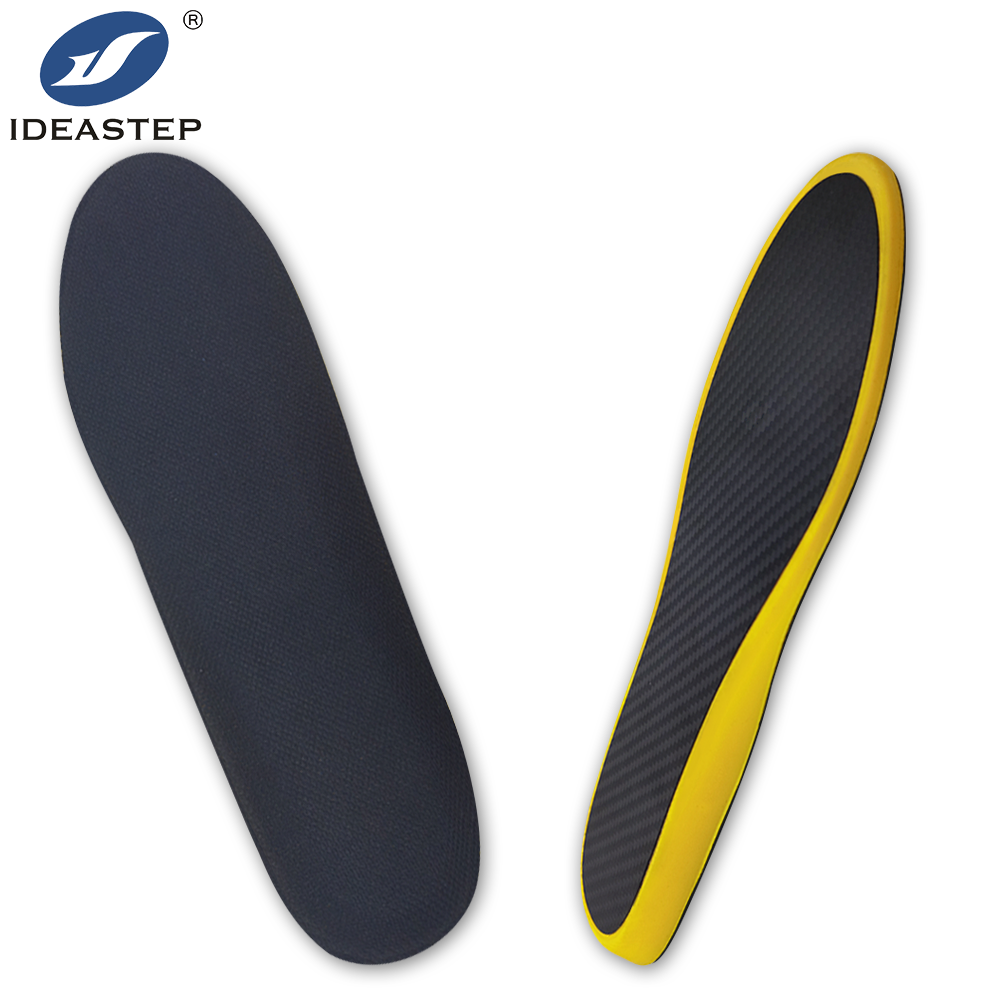
Flexible carbon fiber insoles offer measurable advantages that simple foam insoles cannot match.
Torsion Resistance and Ankle Protection
Carbon fiber has high tensile strength. It blocks sole twisting during side steps and quick direction changes. Lower torsion reduces ankle sprain risk and keeps athletes stable. This matters most for basketball, gym training and trail sports.
Energy Return for Explosive Movement
The flexible carbon core stores energy on landing. It releases stored power at toe-off. It cuts energy loss from compressed foam. The result is better acceleration and higher vertical jump performance.
Shock Reduction and Less Foot Fatigue
Composite cushion layers absorb impact from hard surfaces. They lower stress on knees, ankles and plantar fascia. Users stay comfortable through long runs or extended training sessions. Endurance improves with less foot tiredness.
Resistance to Permanent Deformation
Standard foam insoles stay compressed after repeated heavy use. Flexible carbon fiber insoles retain support and flatness over time. Consistent performance lowers return rates for footwear brands.
OEM and Bulk Customization for Footwear Brands
We offer complete bulk customization for flexible carbon fiber insoles to match your product positioning.
You can select carbon sheet thickness, firmness grades and cushion layer materials. We tune flexibility for casual sports, professional training or competitive athletic use.
Branding options include surface logo printing, embossing, custom colors and precision size cutting. Flexible MOQs support small trial batches and ongoing large-volume production.
Every finished batch goes through torsion, bending and compression testing. Strict checks ensure consistent quality for mass footwear production.
Conclusion
Flexible carbon fiber insoles are a high-performance upgrade for modern sports footwear. Their composite structure, reliable shoe fit and proven athletic performance create strong selling points for footwear brands.
They strike a practical balance between flexibility, stability and durability. They fit most common sports activities and meet athlete demands for speed, protection and comfort.
If you seek consistent bulk supply or OEM customization of flexible carbon fiber insoles for sports footwear, reach out to our team. Request free product samples, performance test reports and tailored wholesale pricing.
Related Reading: Carbon Fiber Foot Insoles Core Performance Factors For Wholesale Buyers.