
Choosing the right medical arch support insoles is not simply a matter of selecting a low, medium, or high arch. For clinics, orthotic brands, footwear manufacturers, and distributors, the design needs to work with the foot, the shoe, and the intended application.
The arch profile, support structure, material combination, heel cup, and overall thickness all affect how an insole performs. For OEM and wholesale projects, factors such as customization, sample testing, and production consistency also need to be considered.
What Makes a Medical Arch Support Insole Different?
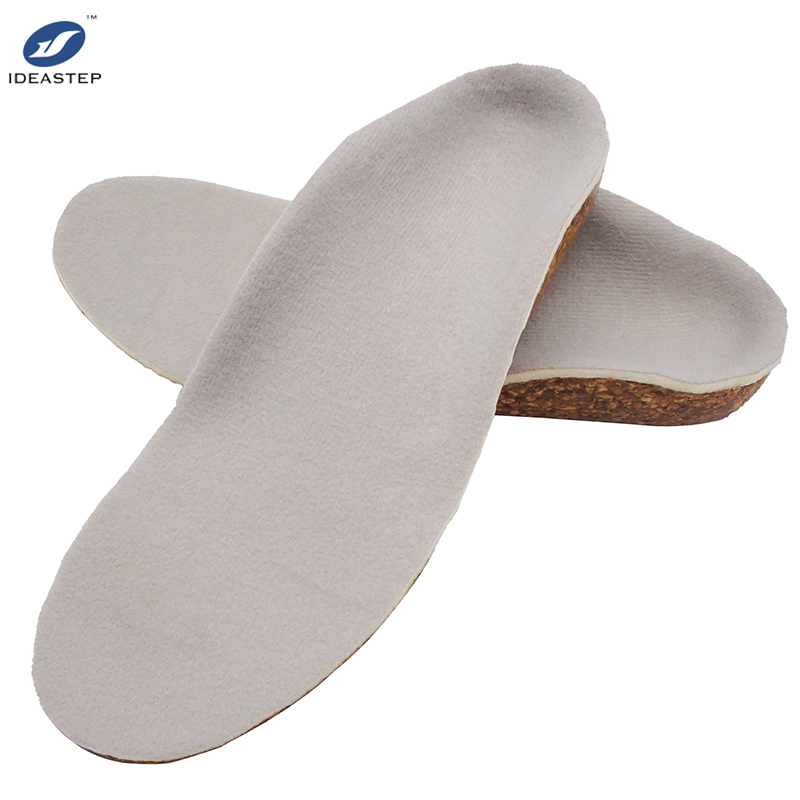
A structured arch support insole usually includes several functional areas rather than relying on the arch section alone:
- Arch support zone for structured contact beneath the arch
- Heel cup to help position and contain the heel
- Forefoot area to provide a stable transition toward the front of the foot
- Base layer to maintain the overall shape
- Top cover for surface comfort and moisture management
These elements need to work together. Arch height is useful when selecting a design, but it does not tell the whole story. Arch width, position, contour, support length, material hardness, and available shoe space can all change the way an insole fits.
How to Choose the Right Arch Support Structure
Low Arch
For low-arch applications, a broader and more gradual support profile is often more practical than a narrow, pronounced arch.
EVA is commonly used for this type of design because its density and hardness can be adjusted to create different levels of support and flexibility.
Normal Arch
Normal-arch designs generally use a moderate support profile and can be adapted to everyday, work, or general-purpose footwear.
For B2B products, the insole should be developed around the target shoe. A suitable arch profile can still be difficult to use if the overall thickness or shape takes up too much space inside the shoe.
High Arch
High-arch designs usually require a more defined contour, but increasing the arch height alone does not necessarily produce a better fit.
The position, width, and shape of the arch should be considered together. The transition from the supported area to the surrounding footbed is also important, particularly when developing a semi-rigid or rigid structure.
How Materials Affect Medical Arch Support Insoles
The material determines much of an insole’s physical character, including its weight, flexibility, resilience, cushioning, and structural performance.
| Material | Key Characteristics | Typical Use |
|---|---|---|
| EVA | Lightweight, adjustable hardness, easy to process | Base and support structures |
| TPU | Flexible with good structural properties | Support plates and structural components |
| PU | Soft with good cushioning properties | Comfort layers |
| Latex | Elastic and resilient | Cushioning layers |
| Cork | Natural material with structural properties | Traditional and functional designs |
| Carbon Fiber | Lightweight and highly rigid | Structural support components |
EVA
EVA is one of the more versatile materials used in orthotic insole production. It offers a useful balance between weight, flexibility, processability, and support.
Different densities and hardness levels can be selected depending on the product. EVA can therefore be used in softer comfort-oriented designs as well as firmer support constructions.
For OEM projects, another advantage is the ability to adjust thickness, density, hardness, and shape to suit different product requirements.
TPU
TPU is useful when the design calls for a more defined structural component without making the entire insole rigid.
It can be used as an arch support plate or other structural element and combined with EVA or softer materials to create a more balanced construction.
PU and Latex
PU and latex are generally used where cushioning, elasticity, or a softer contact surface is needed.
Rather than using them as the main structural material, manufacturers may place them above or below a firmer support layer to improve the overall feel of the insole.
Multi-Layer Construction
Using several materials allows each layer to perform a specific role. A typical construction might look like:
Top Fabric → Comfort Layer → Structural Support → EVA Base
The exact combination depends on the product requirements. For OEM and ODM projects, this approach also makes it easier to adjust one part of the construction without changing the entire insole.
EVA vs TPU vs PU: Which Material Fits Your Product?
There is no single material that works for every arch support insole.
EVA is a practical option when low weight, adjustable hardness, and easy processing are priorities.
TPU is more suitable for defined structural components where support and flexibility need to be balanced.
PU works well for cushioning and softer contact areas, while latex can add elasticity and resilience.
In many cases, combining materials makes more sense than choosing one material for the entire insole. The decision should be based on the target footwear, required thickness, flexibility, usage, and production process.
How Heel Cups and Arch Support Work Together
The arch should not be designed in isolation from the heel.
A functional insole can be viewed as three connected areas:
Heel Cup + Arch Support + Forefoot Platform
The heel cup affects the position of the rearfoot and the overall shape of the insole. Its depth and geometry also need to match the available space inside the shoe.
A deeper heel cup may provide greater containment, while a shallower design may be more practical for shoes with limited internal volume.
When modifying an insole for an OEM project, changing the heel or arch area can also affect the overall profile. Both should therefore be checked during sample development.
Choosing Arch Support Insoles for Different B2B Applications
Clinics and Foot-Care Brands
These buyers may need several arch profiles or material options to suit different product requirements.
Key considerations include:
- Arch profile options
- Size range
- Material combinations
- Customization
- Sample evaluation
- Production consistency
Footwear Brands
For footwear brands, the insole has to work with the shoe rather than being considered as a separate product.
Important points include:
- Shoe-last compatibility
- Overall thickness
- Weight
- Arch profile
- Top-cover material
- Branding and packaging
Wholesalers and Distributors
For distributors, product consistency and purchasing flexibility are often just as important as the design itself.
Before ordering, check:
- Available sizes
- MOQ
- Material specifications
- Packaging options
- Customization
- Sample availability
- Bulk production capacity
Sports and Work Footwear
Sports and work footwear may require a different balance between support, flexibility, resilience, and durability.
The insole should be evaluated together with the footwear construction and the conditions in which it will be used.
What B2B Buyers Should Check Before Ordering
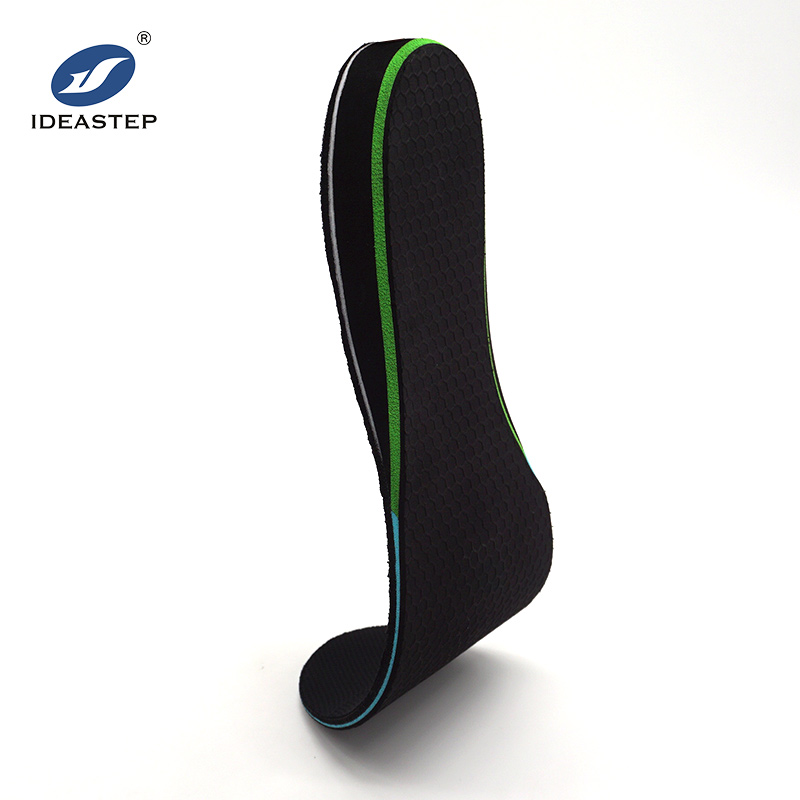
A specification sheet is useful, but it does not replace a physical sample. Before moving to bulk production, buyers should check both the product specifications and the actual fit.
Material Specifications
Confirm:
- Density
- Hardness
- Thickness
- Resilience
- Compression performance
Structural Dimensions
Check:
- Arch profile
- Arch width
- Heel cup depth
- Overall thickness
- Size range
Customization
Depending on the project, customization may include:
- Arch profile
- Material combination
- Top fabric
- Color
- Logo
- Packaging
- Size
Sample Testing
For OEM and ODM projects, samples should be tested in the intended footwear before mass production.
Pay particular attention to:
- Fit inside the shoe
- Arch contact
- Support feel
- Overall thickness
- Material combination
- Appearance and processing quality
This is often where small design issues become visible and can be corrected before a larger production run.
Common Mistakes When Choosing Arch Support Insoles
Choosing Only by Arch Height
Arch height is only one part of the design. Width, position, contour, and support length also affect fit.
Using One Material for the Entire Insole
Different areas may need different levels of flexibility, cushioning, and structural support. A multi-material design can offer more options.
Ignoring the Heel Structure
The heel cup affects the overall geometry of the insole and should be considered together with the arch support.
Selecting Material Hardness in Isolation
A harder material is not automatically the right choice. Density, resilience, flexibility, thickness, and intended use all matter.
Skipping Sample Testing
A design may look correct on paper but behave differently once placed inside the target shoe. Sample testing helps identify these issues before bulk production.
Custom Medical Arch Support Insoles for OEM and ODM
Custom development is often necessary when a standard insole does not match a particular shoe, foot profile, or product specification.
Depending on the project, manufacturers may adjust:
- Arch profile
- Heel cup
- Overall thickness
- Material combination
- Top fabric
- Size range
- Logo and packaging
A typical development process is:
Requirement → Structure Design → Material Selection → Prototype → Sample Testing → Adjustment → Bulk Production
For B2B buyers, the supplier’s ability to move from prototype to consistent mass production is just as important as the initial design.
Medical Arch Support Insoles Buying Checklist
| Item | What to Check |
|---|---|
| Arch Profile | Low, normal, or high |
| Arch Width | Support area and foot shape |
| Structure | Flexible, semi-rigid, or rigid |
| Material | EVA, TPU, PU, or combination |
| Thickness | Compatibility with target footwear |
| Heel Cup | Depth and shape |
| Size Range | Target market requirements |
| Customization | Structure, material, logo, packaging |
| MOQ | Suitable purchasing volume |
| Sample | Available for testing |
| Production | Quality and consistency |
Conclusion
A well-designed medical arch support insole is the result of several factors working together. Arch structure, material selection, heel geometry, thickness, and shoe compatibility all need to be considered during product development.
For B2B buyers, the evaluation should go beyond the product name or material. Confirm the specifications, test samples in the intended footwear, and make sure the supplier can maintain the required quality during bulk production.
For custom projects, discussing the target footwear, arch structure, material requirements, size range, and customization needs with the manufacturer at the development stage can help avoid unnecessary revisions later.
Related Articles:
Wholesale Medical Arch Support Insoles Pain Relief Orthotic Shoe Inserts for Distributors
Medical Arch Support Insoles: Design, Materials and Manufacturing Solutions