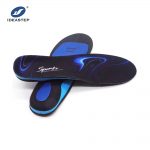
Sourcing insoles for high arch requires more than choosing a product with a raised arch. For wholesalers, footwear brands, clinics, and private-label businesses, the right product also depends on material selection, arch geometry, shoe compatibility, customization, and production consistency.
A reliable sourcing process should therefore cover the product from the first sample through bulk production. The goal is not simply to find an available insole, but to develop a specification that can be reproduced consistently at the required volume.
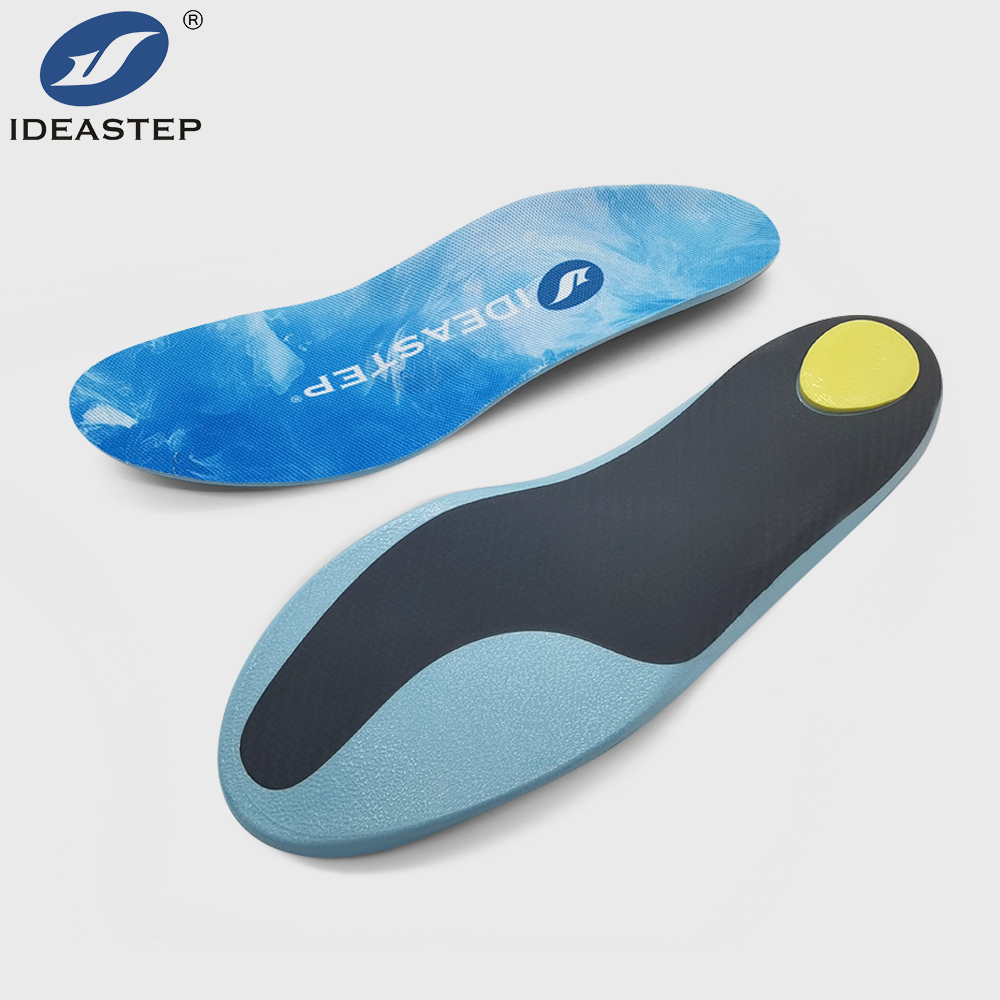
Key Factors When Sourcing Insoles for High Arch
A high-arch insole needs a defined support area, but the arch should not be considered separately from the rest of the construction.
For B2B purchasing, pay particular attention to:
- Arch profile: height, width, position, and contour
- Heel structure: heel cup depth and shape
- Overall thickness: available space inside the target shoe
- Material construction: EVA, TPU, PU, or multi-layer combinations
- Size range: sizes required for the target market
- Customization: structure, fabric, color, logo, and packaging
- Production consistency: whether the approved sample can be reproduced at scale
Arch height alone is not enough to define a suitable product. The width and position of the arch, the transition into the surrounding footbed, and the overall shape can all affect the final fit.
Choosing Materials for High Arch Insoles
Material selection affects the insole’s structure, weight, flexibility, cushioning, and manufacturing process. Different materials can also be combined to give specific areas different functions.
| Material | Common Application | Key Characteristics |
|---|---|---|
| EVA | Base and support structure | Lightweight, adjustable hardness, easy to process |
| TPU | Arch plates and structural components | Defined support with flexibility |
| PU | Cushioning layers | Soft feel and cushioning |
| Latex | Comfort layers | Elastic and resilient |
| Cork | Structural and traditional designs | Firm, natural material |
| Carbon Fiber | Rigid support components | Lightweight and highly rigid |
EVA
EVA is a practical material for many high-arch insole designs. Different densities and hardness levels allow manufacturers to adjust the balance between flexibility and support.
For OEM projects, EVA also offers good processing flexibility. Thickness, hardness, density, and shape can be modified to suit different footwear and product requirements.
TPU
TPU is often used as a separate support component rather than making the entire insole rigid. A TPU arch plate can be combined with an EVA base or softer upper layer to create a more defined structure while keeping the overall construction relatively flexible.
PU, Latex and Multi-Layer Construction
PU and latex are commonly used where cushioning or elasticity is required. In a multi-layer design, a softer top layer can be combined with a firmer structural layer underneath.
This approach gives manufacturers more control over the final product than using a single material throughout the insole.
Customization Options for B2B Projects
Standard high-arch insoles may suit general wholesale programs, but OEM and private-label projects often require changes to the original construction.
Depending on the project, manufacturers may customize:
- Arch height, width, and contour
- Heel cup depth and geometry
- Overall thickness
- Material combination
- Top-cover fabric
- Size range
- Color and surface finish
- Logo and branding
- Retail or bulk packaging
It is better to define these requirements before sampling. Changes to the arch structure can affect the overall thickness and balance of the insole, so individual specifications should be reviewed as part of the complete design.
Check the Insole Against the Target Footwear
Footwear compatibility is one of the most important points in B2B sourcing. An insole with the correct arch profile may still be unsuitable if it takes up too much space inside the shoe.
Before approving a design, check:
- Internal shoe volume
- Overall insole thickness
- Heel height and heel cup position
- Toe-box space
- Shoe-last compatibility
- Interaction with the original footbed
For footwear brands, testing the sample in the intended shoe can reveal problems that are difficult to identify from drawings or specifications alone.
Why Sampling Matters Before Bulk Production
For customized insoles for high arch, a physical sample should normally be approved before a large production run.
The sample allows buyers to check the actual product rather than relying only on drawings or material specifications.
Sample Evaluation Checklist
- Arch position and contour
- Heel cup shape and depth
- Overall thickness
- Fit inside the target footwear
- Material hardness and flexibility
- Top-cover quality
- Edge finishing and bonding
- Size accuracy
- Logo and packaging details
Any required changes should be recorded and confirmed before the final specification is approved. This creates a clear production reference for future orders.
What to Confirm Before Bulk Production
Once the sample is approved, the focus shifts to consistency, quantity, and production control.
| Item | Points to Confirm |
|---|---|
| Materials | Type, density, hardness, thickness |
| Dimensions | Size, arch profile, heel cup, overall thickness |
| Customization | Structure, fabric, color, logo, packaging |
| MOQ | Minimum order quantity and purchasing flexibility |
| Quality control | Dimensional and material consistency |
| Lead time | Sample development and bulk production schedule |
The approved sample should remain the reference for mass production. This is especially important for custom products, where small differences in arch geometry, thickness, or material hardness can affect the finished result.
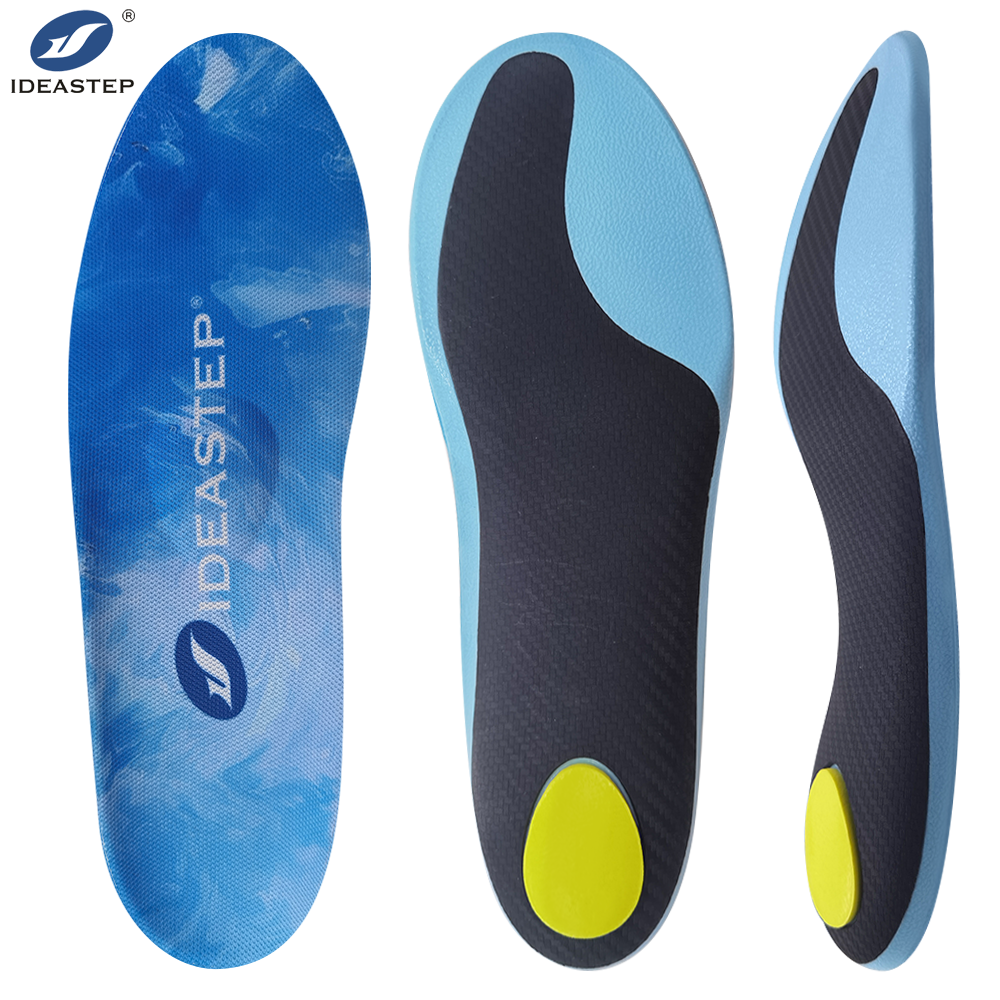
OEM vs ODM for High Arch Insole Sourcing
OEM is generally suitable when the buyer already has defined product requirements, drawings, dimensions, or material specifications. The manufacturer produces according to the buyer’s design.
ODM is useful when the buyer wants to start from an existing design or manufacturing capability and adapt it for a specific brand or market.
Both approaches may include changes to the arch profile, materials, top fabric, sizing, branding, and packaging. The key is to establish a clear specification and sample approval process before bulk production.
Common Mistakes in High Arch Insole Sourcing
Choosing by Arch Height Alone
A higher arch does not automatically mean a better design. Arch width, position, contour, and support area also need to match the intended application.
Ignoring Overall Thickness
A structured insole can take up more internal space than a standard footbed. Always check thickness against the target footwear.
Comparing Suppliers Only by Unit Price
Material cost is only one part of the total sourcing cost. Sample development, customization, production yield, quality control, packaging, and repeat-order consistency can also affect the final cost.
Skipping Sample Approval
Moving directly to bulk production increases the risk of discovering design or fit issues after a large order has already been placed.
Leaving Specifications Open to Interpretation
For customized products, the approved sample and written specifications should clearly define the materials, dimensions, structure, branding, and packaging.
How to Evaluate a High Arch Insole Supplier
A supplier’s catalog is only one part of the evaluation. For long-term B2B cooperation, buyers should also look at the manufacturer’s ability to develop, customize, and reproduce the product.
Key points include:
- Material selection and processing capabilities
- Arch and heel structure customization
- OEM and ODM experience
- Prototype and sample development
- Size and packaging options
- MOQ and bulk production capacity
- Quality control procedures
- Ability to maintain consistency across repeat orders
A supplier that can support both product development and stable production can make the sourcing process easier, particularly when the project involves multiple sizes, customized structures, or recurring orders.
High Arch Insole Sourcing Checklist
- Define the target footwear and application
- Confirm the arch profile and dimensions
- Select suitable materials
- Check overall thickness and shoe compatibility
- Define heel cup requirements
- Confirm size range
- Document customization requirements
- Request and evaluate samples
- Approve the final specification
- Confirm MOQ and production capacity
- Confirm packaging and branding
- Agree on quality requirements and production schedule
Conclusion
Sourcing insoles for high arch is not simply a matter of selecting a higher arch design. Material properties, arch geometry, heel structure, thickness, footwear compatibility, and manufacturing consistency all affect the final product.
For B2B buyers, a practical sourcing process is straightforward: define the requirements, select the structure and materials, develop a sample, test the product, approve the specification, and then move to bulk production.
For OEM, ODM, and wholesale projects, Ideastep can support customized insole development covering structure, materials, sizing, branding, and packaging. Buyers can discuss their target application and specifications with our team and arrange sample development before moving to bulk production.
Related Articles: Cavus Foot High Arch Insoles Professional Manufacturer for Wholesale & Bespoke Orders.