Footwear manufacturers often need an insole that is simple, lightweight, and easy to adapt to different shoe constructions. In these applications, a flat EVA insole offers a practical option, especially when production teams need to trim or adjust the insole during shoe assembly.
Manufacturers use cuttable EVA insoles in casual shoes, sports footwear, work shoes, comfort footwear, and other products that require a flat cushioning layer. Depending on the project, they can adjust the EVA material, thickness, shape, top cover, and packaging to match the shoe design and production requirements.
For OEM and ODM projects, material selection matters, but it is only one part of the process. Consistent dimensions, accurate cutting, reliable bonding, and stable production also affect the final result.
What Is a Cuttable Flat EVA Insole?
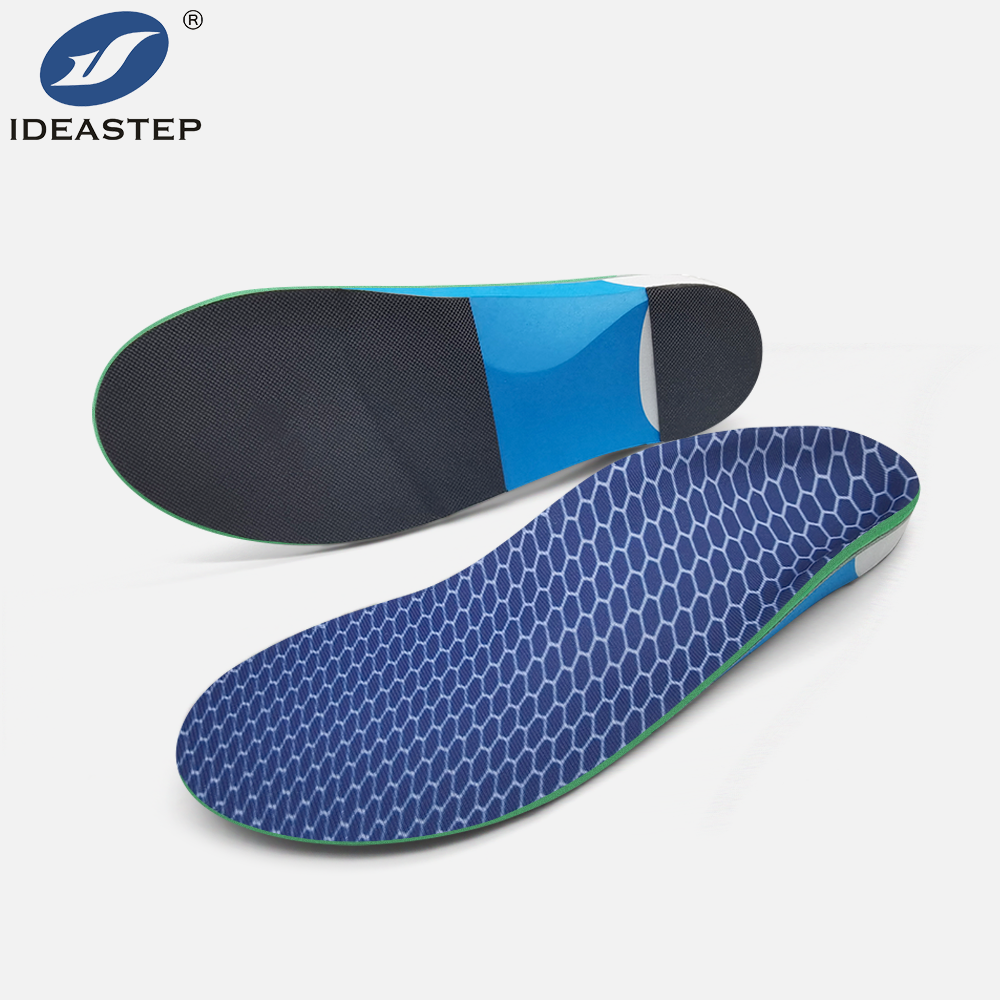
A cuttable flat EVA insole uses EVA foam as its main material and has a relatively uniform profile. Unlike molded insoles with fixed arch or heel structures, this flat construction allows manufacturers to trim the outline to suit different footwear shapes.
This design works well for manufacturers that produce multiple shoe styles or size ranges. They can also combine the EVA base with different surface materials or cushioning layers without significantly changing the overall profile.
Depending on the application, a flat EVA insole may include:
- Flat EVA foam
- Different thicknesses and hardness levels
- Fabric or textile top covers
- Printed or branded surfaces
- Additional cushioning layers
- Custom shapes and size ranges
Why Use Flat EVA Insoles in Footwear Production?
The simple construction of a flat EVA insole makes it suitable for footwear programs that prioritize flexibility and production efficiency over a highly structured design.
Easy to Adapt
The flat profile gives manufacturers more room for adjustment during shoe development. They can match the outline to the footwear last and trim the edges when necessary.
Flexible Material Options
EVA comes in different densities, hardness levels, and thicknesses. Manufacturers can select a specification that fits the intended footwear and target price range.
Suitable for Volume Production
Flat constructions are relatively straightforward to process in larger quantities. Once the team approves the material and cutting specifications, the factory can reproduce the same design across production batches.
Works with Different Surface Materials
Manufacturers can combine an EVA base with fabric, mesh, textile, or other surface materials. This gives footwear brands more options for appearance and surface feel without changing the basic construction.
Choosing the Right EVA Specification
Not all EVA foam performs in the same way. Density, hardness, thickness, and compression characteristics can affect the weight, flexibility, and feel of the finished insole.
Density and Hardness
Density and hardness influence how the material feels underfoot and how it responds during use. A lightweight casual shoe may need a different specification from a work shoe or a more supportive footwear design.
Thickness
Thickness needs to match the available space inside the shoe. A thicker insole can change the internal fit, particularly in footwear with a limited toe box or low upper.
Compression Performance
For products that face repeated loading, buyers should consider compression performance during material selection. The production material should also match the specification approved during sampling.
Customization for OEM and ODM Projects
A standard flat insole may work for some applications, but footwear manufacturers often need changes to match a specific shoe or product line.
Shape and Size
Manufacturers can develop the insole outline according to the shoe construction. They can also produce different size ranges for different markets or footwear models.
Material and Thickness
Buyers can specify the required EVA density, hardness, and thickness. When necessary, the development team can test different material combinations before confirming the final construction.
Top Cover
A textile top cover can change both the appearance and surface feel of the product. Common options include mesh, knitted fabric, printed fabric, and other materials that match the footwear.
Branding and Packaging
Private-label programs can include logos through printing, labels, or other agreed methods. Buyers can also choose packaging for bulk shipment, factory assembly, or retail distribution.
OEM or ODM: Which Approach Fits Your Project?
The choice between OEM and ODM mainly depends on how much of the product the buyer has already defined.
OEM Production
OEM works well when the buyer already has a clear specification, drawing, sample, or material requirement. The manufacturer follows the approved details and produces the insole accordingly.
ODM Development
ODM suits buyers who have a general product requirement but need support during development. Depending on the project, the supplier may help with EVA selection, thickness, shape, surface materials, and production methods.
A typical development process follows this sequence:
Requirement → Material Selection → Sample → Testing → Approval → Bulk Production
A clear process helps both sides avoid unnecessary changes after production starts.
Why Sample Approval Matters
For a custom insole, a physical sample provides a more useful reference than a product photo or general specification.
Before approving the sample, buyers should check:
- Overall dimensions
- Shape and edge profile
- Thickness
- Material firmness
- Surface finish
- Top-cover attachment
- Fit inside the intended shoe
If the production team plans to trim the insole during shoe assembly, both sides should confirm the original outline and trimming allowance before finalizing the specification.
After approval, the factory can use the sample as the reference for bulk production.
Quality Control in Bulk Production
For large footwear programs, manufacturers need to maintain consistency between production batches.
Depending on the product, quality checks may cover:
- EVA material specifications
- Hardness and thickness
- Length and width
- Cutting accuracy
- Surface appearance
- Top-cover bonding
- Packaging quantity and condition
When a buyer places repeat orders, the factory should keep the approved material and construction unchanged unless both sides agree on a new specification.
Production Methods for Flat EVA Insoles
The production method depends on the design, order quantity, and level of customization.
Die Cutting
Factories commonly use die cutting for flat EVA insoles, particularly for larger production runs. Once the team confirms the cutting dimensions, this process can deliver a consistent outline across batches.
CNC Processing
CNC processing works well for prototypes, special shapes, and projects that require more precise cutting during development.
Lamination
When a textile cover or additional foam layer forms part of the design, manufacturers can use lamination to combine the materials into one finished insole.
The supplier should select the final process according to the material combination, construction, and expected production volume.
What to Prepare Before Starting an OEM Project
Clear product information can make development faster and reduce unnecessary sample changes.
Before contacting a supplier, prepare as much of the following information as possible:
- Target shoe type
- Size range
- Insole dimensions
- EVA density and hardness
- Required thickness
- Top-cover material
- Logo or artwork
- Packaging requirements
- Expected order quantity
- Target delivery schedule
An existing insole, drawing, or shoe sample can also help the supplier understand the required construction and dimensions.
What to Look for in an EVA Insole Supplier
For a relatively simple product, buyers can easily focus too much on unit price. In practice, material consistency and production control can have a greater effect on the total sourcing cost.
When comparing suppliers, consider their experience with EVA materials, sampling process, production methods, quality checks, MOQ, and ability to handle repeat orders.
A supplier with footwear experience can also identify potential issues with thickness, dimensions, material combinations, or shoe fit before the product enters bulk production.
Custom Flat EVA Insole OEM and ODM Supply
Ideastep provides EVA insole solutions for footwear manufacturers, wholesalers, distributors, and private-label businesses.
For custom cuttable flat EVA insoles, our team can work with requirements for material, thickness, size range, shape, top cover, branding, and packaging. We can develop samples and check them against the intended footwear before moving into bulk production.
For a new shoe program, buyers can provide the shoe type, size range, preferred EVA specifications, drawings, or an existing sample. These details give the development team a practical starting point for discussing the construction and production method.
Conclusion
A custom cuttable flat EVA insole offers footwear manufacturers a lightweight and adaptable solution for different shoe constructions. Its flat profile makes the product easier to modify, while EVA provides flexibility in density, hardness, and thickness.
For OEM and ODM projects, buyers should confirm the material specification, dimensions, thickness, surface construction, sample approval, production method, and batch consistency before placing a bulk order.
Starting with clear specifications and a physical sample gives both the buyer and supplier a reliable production reference. It also makes future repeat orders easier to manage.
Related Reading: Wholesale Flat EVA Insole Blank for Shoe Factories and Footwear Brands.