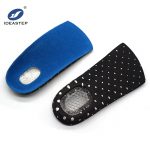
Custom arch supports are developed to meet specific requirements for support profile, material, dimensions, and footwear compatibility. For wholesalers, importers, and foot care brands, the key factors are manufacturing consistency, target cost, order quantity, and the supplier’s ability to reproduce the approved design across production runs.
A clear product specification helps manufacturers assess feasibility, quote accurately, and reduce unnecessary sample revisions.
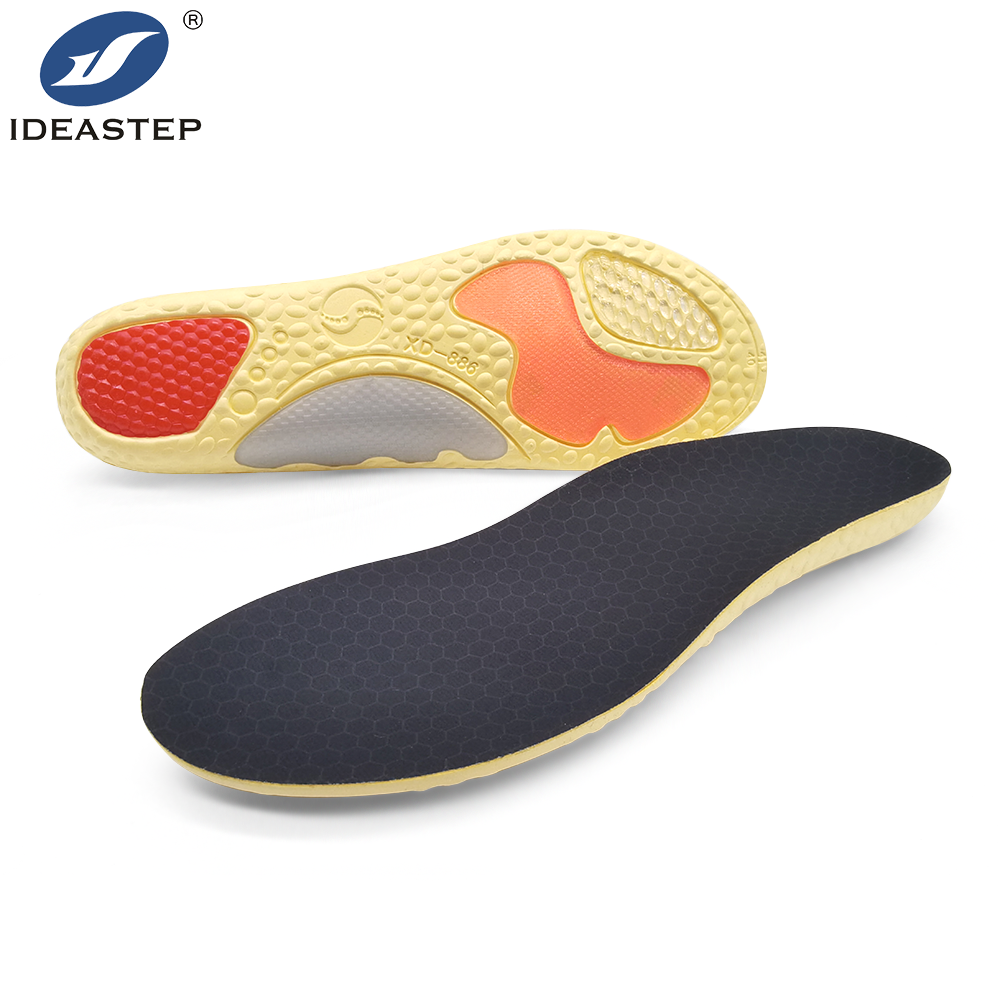
Custom Arch Support Design and Specifications
The design should be based on the intended footwear, required support profile, and available space inside the shoe. Depending on the product, buyers can specify:
- Arch profile: Height, contour, and support geometry
- Base construction: Foam base, semi-rigid shell, or combined materials
- Firmness and cushioning: Selected according to the intended product requirements
- Heel cup: Depth, width, and shape
- Insole coverage: Full-length, three-quarter-length, or separate arch support component
- Top cover: Fabric, microfiber, or other specified materials
- Branding and packaging: Logo, labeling, and retail packaging
For quotation and sampling, provide a technical drawing, reference sample, or dimensional specification wherever possible. Arch height, overall thickness, and key measurements should be clearly defined rather than left to visual interpretation.
Material Options for Custom Arch Supports
Material selection affects stiffness, weight, cushioning, durability, and unit cost. The right combination depends on the required structure and the target product price.
EVA Foam
EVA foam is widely used in insoles and arch support products because it is lightweight and available in different hardness and density grades. It can be shaped into different profiles and combined with other materials.
For bulk orders, confirm the required hardness, density, thickness, color, and dimensional tolerances. Material grade should remain consistent between the approved sample and production batches.
PU Foam
PU foam is an option for designs that prioritize cushioning. Its properties vary by formulation and density, so buyers should evaluate the actual sample against the agreed requirements.
TPU and PP Components
TPU and PP can be used when a design requires a more structured support component. Selection depends on the required stiffness, geometry, flexibility, and integration with the foam base.
Fabric and Microfiber Covers
Top-cover materials affect surface feel, appearance, and wear resistance. Confirm the fabric type, color, bonding method, and finish before sample approval.
For multi-layer designs, the compatibility of each material and the bonding between layers should be checked during development.
Developing Products for Different Footwear Categories
A support structure designed for one shoe type may not fit another. Before finalizing a design, buyers should consider the shoe’s internal volume, removable insole, and intended use.
| Footwear Category | Main Design Considerations |
|---|---|
| Casual footwear | Profile, fit, and everyday durability |
| Sports and running shoes | Weight, flexibility, cushioning, and shoe fit |
| Work and safety shoes | Durability, available internal space, and construction |
| Dress shoes | Low-profile design and limited internal volume |
| Foot care product ranges | Defined geometry, size options, and repeatable specifications |
These considerations help establish the initial design brief. Final dimensions and construction should be checked against the actual footwear or reference sample.
OEM/ODM Manufacturing and Private Label
OEM projects generally follow the buyer’s existing design and specifications. ODM projects may include design development or technical adjustments with the manufacturer.
Depending on the project, buyers can discuss changes to:
- Arch profile, dimensions, and overall construction
- Material grades, hardness, and layer combinations
- Heel cup and cushioning components
- Top-cover material and color
- Size range, logo, labels, and packaging
For a quotation, provide the product application, drawings or reference samples, target quantity, and packaging requirements. The manufacturer can then assess material availability, tooling requirements, sampling costs, minimum order quantity, and production lead time.
Confirm which development costs are included in the quotation and whether tooling or setup charges apply separately.
Sample Approval and Bulk Production
The approved sample should establish the reference standard for manufacturing. Before approval, check the arch profile, dimensions, firmness, material combination, surface finish, and fit within the intended footwear.
Once the sample is confirmed, document the key specifications, including:
- Material grades and thickness
- Arch height and dimensional tolerances
- Size range and product construction
- Top-cover, logo, and packaging details
- Agreed inspection criteria
Changes after approval should be documented before production proceeds. For repeat orders, the same specifications and inspection standards should be used unless both parties approve a revision.
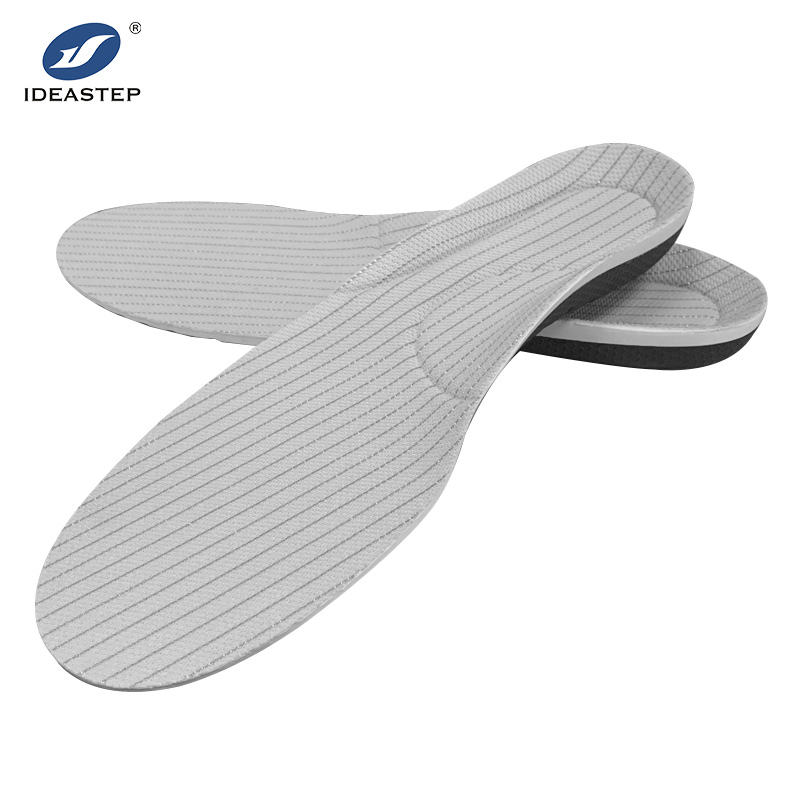
Quality Control for Wholesale Orders
For distributors and private-label brands, consistency between batches is essential. Inspection criteria should be agreed upon before mass production and matched to the product’s intended use.
Key checks include:
- Arch height, contour, and overall dimensions
- Material hardness and density, where specified
- Bonding strength between layers
- Cutting accuracy and edge finish
- Color, surface finish, and logo placement
- Size consistency and packaging accuracy
Any additional performance tests or documentation should be confirmed according to the product design and destination-market requirements.
Choosing a Manufacturing Partner
When comparing suppliers, consider more than the unit price. Material control, development capability, production capacity, and repeat-order consistency can affect the total cost of sourcing.
Before placing an order, confirm the supplier’s experience with insole construction, available materials, minimum order quantity, sample lead time, bulk production schedule, and quality inspection process. Clear communication during specification review is also important, particularly for multi-material products or designs with tight dimensional tolerances.
Ideastep supplies insoles and EVA materials for wholesale and OEM/ODM projects. Buyers can submit drawings, reference samples, or product specifications to discuss material options and manufacturing requirements.
Frequently Asked Questions
What information is needed for a custom arch support quotation?
Provide the intended application, arch profile, dimensions, material requirements, size range, estimated quantity, and any available drawing or reference sample. Include branding and packaging details for private-label projects.
Can different materials be combined in one design?
Yes. Depending on the construction, foam materials, structured support components, and fabric covers may be combined. Material compatibility, bonding, and finished-product dimensions should be checked during sampling.
What determines the minimum order quantity?
MOQ depends on the product design, material selection, production process, and any tooling or setup requirements. Confirm the minimum quantity and related costs before approving the project.
Why is sample approval important?
Sample approval confirms the agreed design, dimensions, materials, and finish. It also provides a reference for production inspection and repeat orders.
Discuss Your Custom Arch Support Project
For wholesale and private-label projects, start with the required support profile, material specifications, target quantity, and reference design. These details give the manufacturer a clear basis for evaluating feasibility, preparing samples, and quoting bulk production.
Recommended Reading:
Best custom arch supports suppliers for Shoemaker
Wholesale custom arch supports for high arches company for Foot shape correction