For orthotic brands and manufacturers, sourcing 3D printed arch support involves more than selecting a printing technology. Material properties, structural design, dimensional accuracy, production capacity, and quality control all affect whether a design can move from prototype to commercial production.
For B2B buyers, the priority is to find a manufacturing partner that can meet the agreed specifications, manage design revisions, and maintain consistent output across custom orders. This guide covers the key factors to evaluate before selecting a supplier for 3D printed orthotic components.
1. Define the Requirements for Custom Orthotic Orders
A clear product brief helps suppliers assess technical feasibility, development costs, and production requirements. Before requesting a quotation, define the product structure, intended application, target specifications, and expected order quantity.
Prepare Technical Files and Specifications
Provide CAD files, 3D models, technical drawings, or reference samples where available. The specification should identify critical dimensions, arch geometry, thickness, material requirements, size range, surface finish, and component interfaces.
Also clarify whether the project involves modifying an existing design or developing a new structure. New designs may require additional engineering work and prototype revisions before production approval.
Confirm the Product Scope
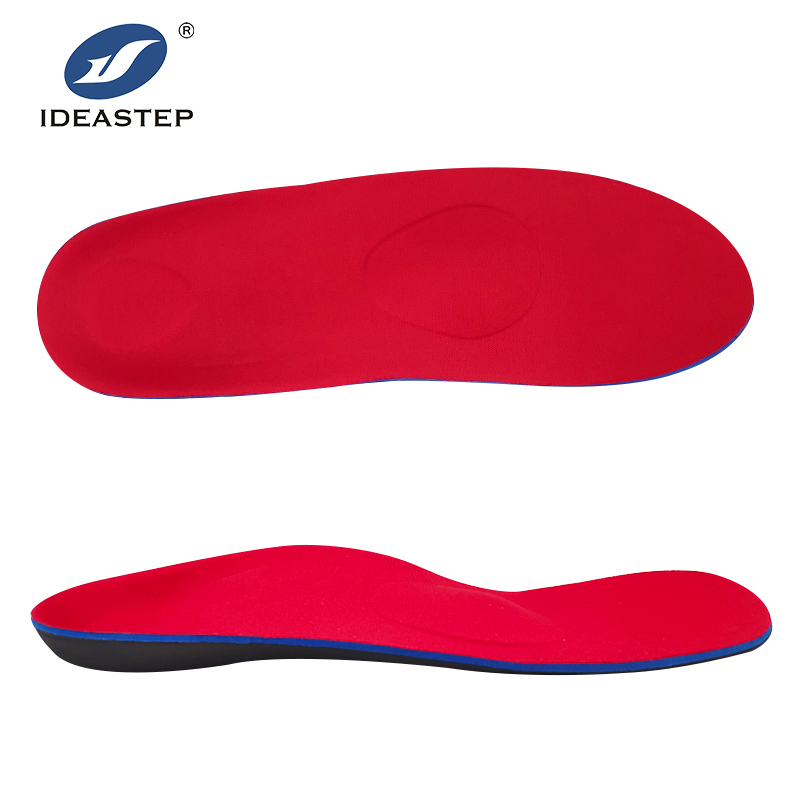
A 3D printed arch support may be manufactured as a standalone component or integrated into a complete orthotic insole. This distinction affects material selection, assembly methods, finishing requirements, and production planning.
Buyers should also identify applicable market regulations, testing requirements, and documentation needs at the start of the project.
2. Evaluate Materials and Arch Support Design
Material selection and structural design must work together. A suitable material needs to meet the component’s mechanical requirements and remain compatible with the selected printing and assembly processes.
Select Materials Based on Technical Requirements
Depending on the printing technology, suitable materials may include specific thermoplastics or flexible photopolymer systems. Selection should reflect the product design and required properties rather than material names alone.
Key factors include:
- Hardness and flexibility: Compatibility with the intended structure.
- Compression behavior: Response to loading under specified conditions.
- Fatigue resistance: Performance supported by relevant test data.
- Dimensional stability: Ability to maintain critical geometry.
- Processing compatibility: Suitability for printing, finishing, and assembly.
Request technical data for the actual material proposed for production. General descriptions such as flexible or durable do not replace product-specific specifications or test results.
Review Arch Geometry and Structural Details
Critical design features include arch height, contour transitions, local thickness, support-area dimensions, and the interface between the printed component and surrounding insole layers.
Thin sections, complex curves, and changes in wall thickness may introduce manufacturing challenges. Suppliers should identify these limitations during design review and recommend adjustments where necessary.
For custom projects, document design changes and approval responsibilities. This is particularly important when buyers provide proprietary CAD files or customer-specific designs.
Consider Print Orientation and Post-Processing
Print orientation, layer structure, and post-processing can affect the mechanical and dimensional properties of printed components. The impact depends on the material, equipment, geometry, and process settings.
If the component will be bonded to EVA, textiles, or other insole materials, confirm compatibility with the selected adhesive and assembly process. These factors should be evaluated before the design is released for production.
3. Establish a Clear Prototype Approval Process
Prototype development allows both parties to verify the design and identify manufacturing issues before committing to a bulk order.
Define the Sample Scope
Confirm whether the sample includes a printed component, a fully assembled insole, updated design files, or material documentation. Agree on sample costs, revision arrangements, and expected development time before work begins.
Inspect Samples Against Defined Criteria
Sample approval should follow the agreed specification rather than visual appearance alone. Depending on the project, inspection may cover:
- Overall dimensions, arch contours, and critical thickness measurements.
- Material identification and structural consistency.
- Surface finish and visible manufacturing defects.
- Component alignment, bonding, and assembly fit.
- Specified mechanical or performance tests.
The inspection plan should reflect the actual product requirements. Regulated applications may require additional testing or documentation for the target market.
Control Design Revisions
Record each revision, including changes to geometry, material, thickness, or component interfaces. The final approved sample should correspond to the current CAD file, material specification, and inspection criteria.
This documentation gives the production team a clear reference and reduces the risk of manufacturing against an outdated design.
4. Assess Bulk Production Feasibility
An approved prototype confirms that a sample meets the agreed requirements. Bulk production also requires a repeatable process, suitable capacity, and a realistic plan for finishing, assembly, and inspection.
Determine Whether 3D Printing Fits the Order
3D printing can suit complex geometries and products requiring frequent design adjustments. However, its commercial suitability depends on order volume, material costs, printing time, post-processing, and delivery requirements.
For some projects, printing only the arch support component and integrating it with conventional insole materials may be more practical than printing the entire product. Compare the complete manufacturing process before choosing the production method.
Verify Production Capacity and Process Control
Ask how the supplier transfers an approved design into routine production. Relevant factors include equipment capability, material availability, process parameters, dimensional control, finishing capacity, and batch management.
Confirm that the supplier can support the required quantity, size range, and delivery schedule. Prototype capability alone does not establish the capacity to fulfill a larger order.
Set Quality Inspection Requirements
Agree on inspection points before production begins. Depending on the product, these may include incoming material checks, first-article approval, dimensional inspection, assembly checks, and final inspection.
Retain the approved specifications and relevant inspection records for repeat orders. Review material substitutions or process changes before implementation if they could affect product conformity.
5. Confirm MOQ, Lead Time, and Repeat-Order Terms
Commercial requirements should be discussed alongside technical specifications. MOQ, pricing, and lead time may vary with design complexity, material availability, production setup, finishing work, and inspection requirements.
Clarify MOQ and Quotation Scope
Confirm the minimum order quantity for the proposed design and whether different sizes or configurations have separate quantity requirements. When comparing quotations, check that each supplier has priced the same materials, production scope, finishing, packaging, and inspection requirements.
Confirm the Full Production Schedule
Lead time may include design review, sampling, material procurement, production, post-processing, assembly, inspection, and packaging. Clarify when the quoted production period begins and whether it depends on final sample approval.
Changes after approval may require additional sampling or process adjustments, so establish a clear procedure for handling revisions.
Plan for Repeat Orders
Keep the approved CAD files, material specifications, packaging requirements, and inspection criteria on record. These documents provide a consistent reference for future orders and help suppliers manage changes without losing control of the approved configuration.
6. Evaluate Your 3D Printed Arch Support Supplier
Supplier selection should be based on demonstrated capabilities and the requirements of the specific project.
Review Technical Development Capabilities
Check whether the supplier can work from CAD files, technical drawings, or reference samples. Ask how it evaluates design feasibility, communicates manufacturing limitations, and documents revisions.
Proposed design changes should include a clear explanation and receive approval before implementation if they affect critical specifications.
Verify Materials and Quality Documentation
Confirm the printing technology and material systems available for the project. Request relevant technical data, inspection records, and applicable compliance documents where needed.
Documentation should relate to the actual material or finished product being supplied. General certificates do not automatically establish compliance with every project requirement.
Clarify OEM and ODM Cooperation
For OEM and ODM projects, define the supplier’s responsibilities for design development, component manufacturing, insole assembly, private labeling, and packaging. Available services will depend on the supplier’s actual capabilities.
Also establish ownership of design files, confidentiality requirements, sample approval responsibilities, and procedures for future specification changes.
7. Common Questions About 3D Printed Arch Support
Is 3D Printing Suitable for Every Custom Orthotic Order?
No. Suitability depends on the design, material, order quantity, cost target, and delivery schedule. Compare 3D printing with other available manufacturing methods based on the complete production requirements.
Why Does Sample Approval Not Guarantee Bulk Consistency?
Bulk production introduces additional variables, including material batches, process settings, finishing, and assembly. An approved specification, first-article inspection, and documented quality checks help maintain consistency.
What Information Should Buyers Provide for a Quotation?
Provide CAD files or technical drawings, reference samples, material preferences, size ranges, estimated order quantities, target specifications, and delivery requirements. Identify any mandatory testing or market-specific documentation at the quotation stage.
Conclusion: Make Informed Sourcing Decisions
Sourcing 3D printed arch support requires a coordinated approach to material selection, structural design, prototype approval, production planning, and quality control.
For B2B buyers, a clear technical brief and documented sample approval process provide the foundation for evaluating suppliers and preparing for bulk production. Before placing an order, confirm the final design, manufacturing method, inspection criteria, MOQ, lead time, and change-control responsibilities.
Discuss Your Custom Orthotic Insole Project with Ideastep
For a custom orthotic insole inquiry, prepare the relevant drawings or CAD files, reference samples, material requirements, target specifications, and estimated order quantity. This information helps define the manufacturing scope and identify the next steps for sample development and production planning.
Contact Ideastep to discuss your project, or explore our custom orthotic insoles capabilities.
Explore More: 3D Printed Arch Support Opportunities For Foot Care And Footwear Brands.