Custom molded shoe inserts allow footwear brands, orthotic laboratories, and distributors to specify product geometry, materials, and construction. For wholesale buyers, key considerations include manufacturing capabilities, material consistency, customization options, minimum order quantities (MOQ), and production lead times.
Working with a suitable manufacturer helps align product specifications with market requirements and supports consistent bulk production. This guide covers material selection, customization, quality control, and supplier evaluation for wholesale custom molded shoe inserts.
What Are Custom Molded Shoe Inserts?
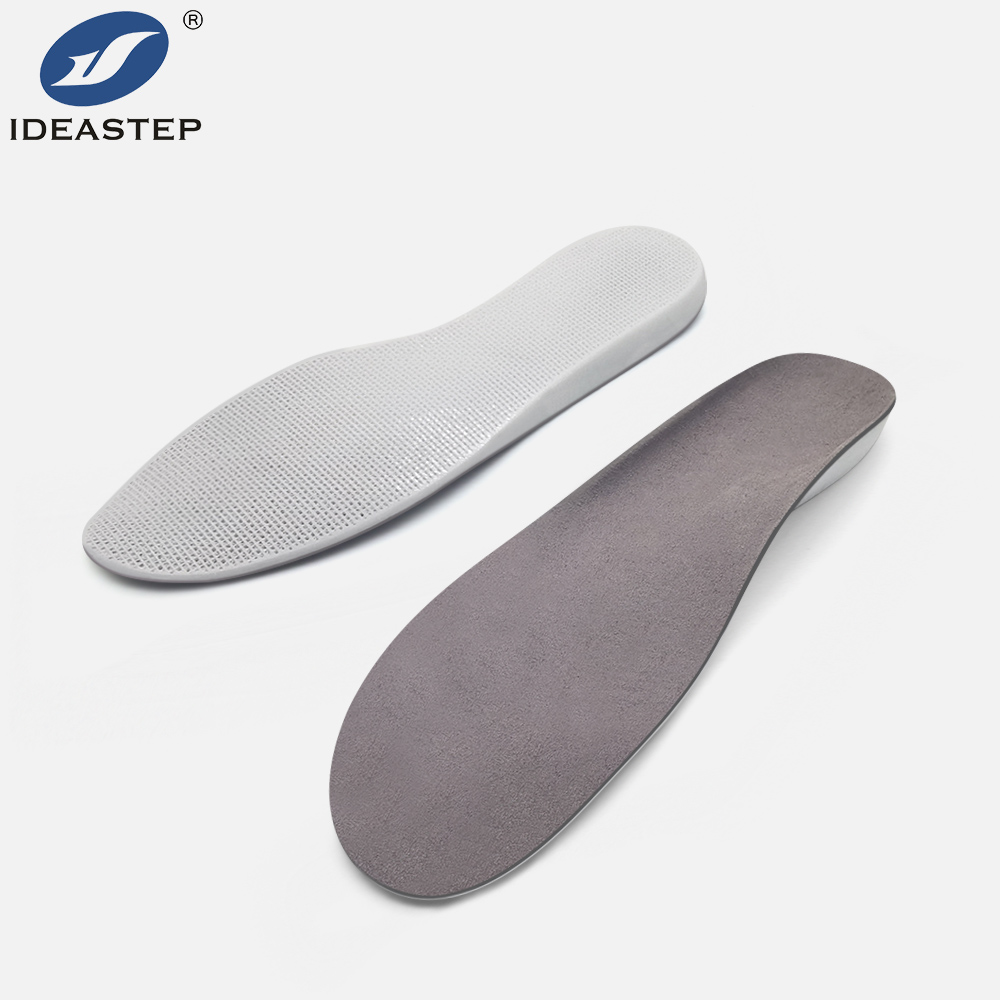
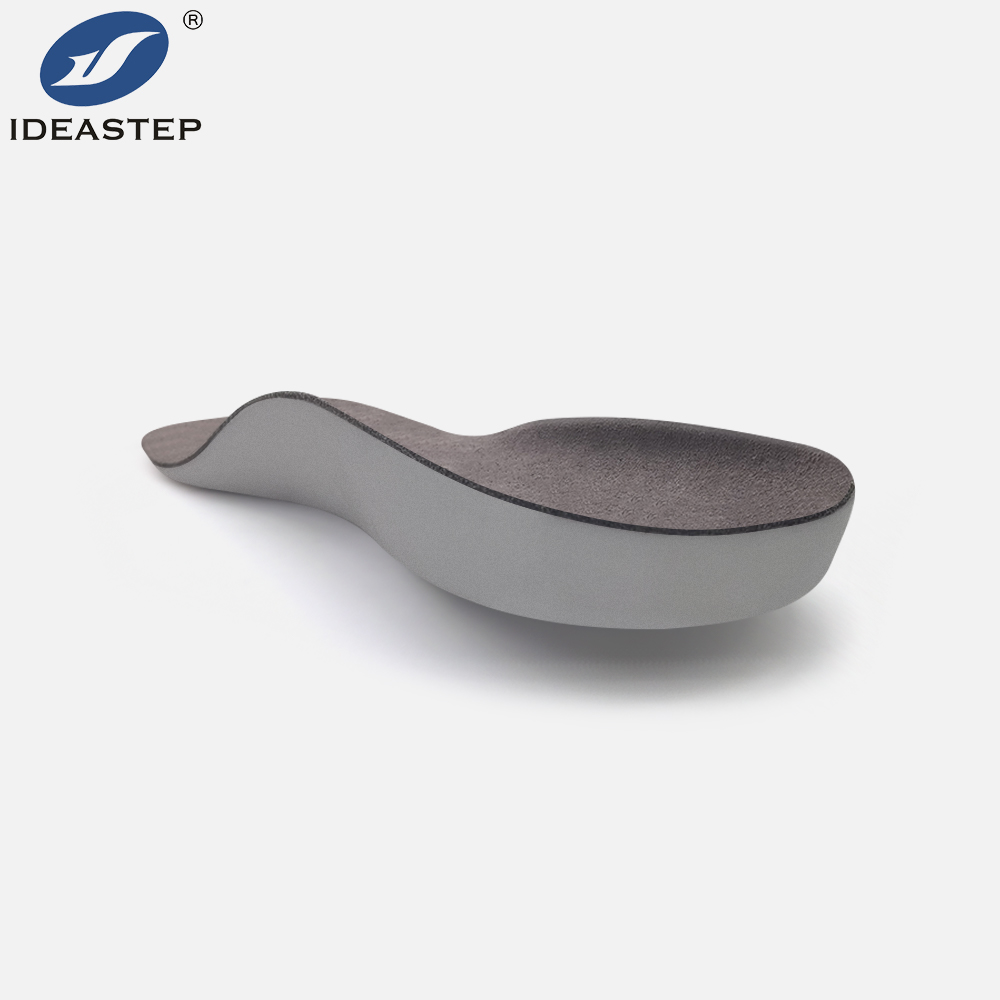
Custom molded shoe inserts are formed into defined shapes using suitable molding or forming processes. Depending on the design, they may feature specific arch profiles, heel cups, cushioning layers, and structural components. Customization can range from adapting existing models to developing products with specific dimensions, materials, or geometry.
Custom Molded vs. Prefabricated Orthotic Insoles
| Comparison | Custom Molded Shoe Inserts | Prefabricated Orthotic Insoles |
|---|---|---|
| Design | Adjustable to specified requirements | Based on established designs |
| Structure | Supports selected contours and material combinations | Uses predetermined configurations |
| Development | May require tooling and sample approval | Often uses existing product specifications |
| Production | Depends on customization requirements | Generally more straightforward for standard models |
Prefabricated insoles suit standardized product ranges, while custom molded designs offer greater flexibility for specific dimensions, contours, and construction requirements.
Common Product Configurations
- Full-length and three-quarter-length designs.
- Different arch profiles and heel cup geometries.
- Single-layer or multilayer constructions.
- Localized cushioning components and fabric top covers.
- Custom colors, sizes, and branding options.
Materials and Structural Options
Material selection affects flexibility, resilience, shape retention, processing requirements, and production cost. Buyers should evaluate these properties alongside material availability and batch consistency.
Common Materials for Custom Molded Shoe Inserts
- EVA foam: Available in different densities, hardness levels, and thicknesses for molded and layered constructions.
- PU foam: Offers cushioning options across different formulations, depending on the required density and durability.
- TPU: Used in structural components requiring specific flexibility, resilience, or shape retention.
- Latex and fabric: Used in cushioning components and surface covers, depending on product design and finishing requirements.
Material specifications should include measurable properties such as density, hardness, and thickness. These details provide a more reliable basis for comparing suppliers than material names alone.
Arch Profiles, Heel Cups, and Layering
Arch contours, heel cup dimensions, and layer combinations are key design variables. Multilayer constructions may combine EVA, PU foam, TPU components, cushioning pads, and fabric covers. Each component affects material consumption, bonding requirements, and unit cost.
Buyers should provide technical drawings, reference samples, or approved specifications. The manufacturer can then assess tooling requirements, production feasibility, and suitable material combinations.
Matching Specifications to Target Markets
Product specifications should reflect the intended footwear category and distribution channel. Define the required materials, size range, construction, packaging, target price, and applicable market requirements before sample development.
Customization and OEM/ODM Services
Dimensions, Geometry, and Material Combinations
Customization may cover length, width, thickness, size grading, arch profiles, heel cup dimensions, material combinations, component placement, surface fabrics, and colors. Manufacturers can work from drawings, physical samples, or approved design files. Any tooling requirements should be confirmed before development begins.
Private Labeling and Packaging
Private-label options may include logo printing, product labels, retail packaging, and bulk packaging. Buyers should provide approved artwork and packaging specifications early to reduce revisions and confirm associated costs.
Sample Development and Approval
- Review drawings, samples, and technical requirements.
- Confirm materials and manufacturing feasibility.
- Produce and inspect the sample.
- Record adjustments and obtain final approval.
- Use the approved sample and specifications as references for bulk production.
Changes to materials, dimensions, or construction after approval should be documented and confirmed by both parties.
OEM vs. ODM Cooperation
OEM manufacturing generally follows the buyer’s design or detailed specifications. ODM cooperation involves greater manufacturer input in product design or development, often by adapting an existing model.
Before placing an order, clarify design ownership, tooling costs, development responsibilities, customization limits, and production requirements.
Wholesale Orders, MOQ, and Production Lead Times
Minimum Order Quantity
MOQ varies by design, materials, tooling, size distribution, and packaging. Existing models may have different requirements from products involving new tooling or special materials. Buyers should provide the expected quantity, size breakdown, and customization details to obtain a product-specific quotation.
Production Lead Time
Production may involve specification confirmation, sample approval, material preparation, manufacturing, inspection, and packing. Lead times depend on order volume, design complexity, material availability, and production capacity. Confirm the schedule with the manufacturer before committing to delivery dates.
Information Required for Bulk Orders
| Item | Details |
|---|---|
| Product design | Technical drawing, reference sample, or images |
| Dimensions | Length, width, thickness, and size range |
| Materials | Material type, density, hardness, and layer structure |
| Construction | Arch profile, heel cup, and component placement |
| Order quantity | Total quantity and size breakdown |
| Branding and delivery | Logo, packaging, destination, and required schedule |
Sample approval should verify dimensions, materials, construction, and appearance against the agreed specifications. Final approval provides a reference for bulk production and repeat orders.
Quality Control for Custom Molded Shoe Inserts
Incoming Material Inspection
Incoming checks may include material grade, color, thickness, density, hardness, and relevant documentation. Inspection criteria should be established before production.
Dimensional and Structural Inspection
Finished products may be checked for:
- Length, width, thickness, and dimensional tolerances.
- Arch contours and heel cup geometry.
- Component placement and layer alignment.
- Bonding quality and surface finish.
- Left-right consistency, where applicable.
Batch Consistency and Documentation
In-process and final inspections help identify deviations from approved samples and specifications. Depending on the project, buyers may request material specifications, applicable test reports, inspection records, or batch information. Confirm document availability for the specific product and support all certification claims with valid evidence.
How to Choose a Custom Molded Shoe Inserts Supplier
Manufacturing Capabilities
Confirm that the supplier has suitable processes for the proposed design. Depending on the product, these may include molding, thermoforming, die cutting, CNC milling, or 3D printing. The appropriate process depends on material, geometry, tolerances, and production volume.
Technical Communication and Customization
Evaluate the supplier’s ability to review drawings, samples, and specification changes. A capable manufacturing partner should identify technical constraints early and explain their impact on cost, sampling, and lead time.
Pricing, Capacity, and Quality Management
Compare quotations based on equivalent specifications, including materials, construction, packaging, tooling, and inspection requirements. Confirm MOQ, development fees, payment terms, delivery conditions, and capacity for repeat orders.
Also review how the supplier approves samples, documents production deviations, and handles quality issues. Clear procedures help maintain consistency across wholesale orders.
Custom Molded Shoe Inserts Manufacturing and Wholesale Supply from Ideastep
Ideastep supplies orthotic insoles and related materials for B2B customers, including distributors, brands, and buyers seeking customized manufacturing solutions.
Depending on project requirements, discussions may cover material selection, structural specifications, size ranges, branding, packaging, and sample development. CNC milling or 3D printing may also be considered where suitable for the design.
For an initial assessment, provide product drawings or reference samples, material preferences, target quantities, size specifications, and packaging requirements. These details help the team evaluate manufacturing feasibility and prepare a project-specific quotation.
Frequently Asked Questions About Custom Molded Shoe Inserts
What Is the Difference Between Custom Molded and Prefabricated Shoe Inserts?
Custom molded inserts can be formed or adjusted to meet specified design requirements, while prefabricated inserts use established configurations. The choice depends on customization needs, product range, and order volume.
What Is the MOQ for Wholesale Custom Molded Shoe Inserts?
MOQ depends on design, materials, tooling, size distribution, and packaging. Provide the required specifications and estimated order quantity to obtain a product-specific quotation.
Can Custom Molded Shoe Inserts Be Produced Under a Private Label?
Private-label options may include logos, labels, and branded packaging. Available services and minimum quantities should be confirmed before sampling or production.
How Long Does Sample Development and Bulk Production Take?
The schedule depends on design complexity, sample revisions, material availability, order quantity, and production planning. Confirm the estimated timeline with the manufacturer after reviewing the project requirements.
What Information Is Needed for a Wholesale Quotation?
Provide drawings or reference samples, dimensions, materials, construction details, size range, order quantity, branding, packaging, and delivery requirements. Complete information helps the manufacturer assess feasibility and prepare an accurate quotation.
Request a Quote for Wholesale Custom Molded Shoe Inserts
When sourcing custom molded shoe inserts, evaluate material specifications, manufacturing processes, quality control, and long-term supply requirements alongside unit pricing.
Contact the Ideastep team to discuss custom molded shoe inserts, sample development, OEM/ODM options, and wholesale supply. Share your drawings or product specifications to begin a technical review and quotation.
Related Reading:
Sports Insoles with TPU Arch Support: Design and Wholesale Supply
MED Arch Support Insoles for Normal Feet: Balanced Support for Daily Footwear