Distinguish Clinical Custom Orthosis From Generic Foot Supports
Start by clarifying use cases to avoid misaligned procurement. Prescription custom orthosis, semi-custom supports and off-the-shelf braces fit distinct clinical pathways. Map target indications and ensure the device integrates smoothly with your existing workflow: scanning, prescription documentation and post-dispensing follow-up. This foundational step keeps sourcing decisions tied to your clinic’s treatment scope and prevents investing in products that fail therapeutic requirements.
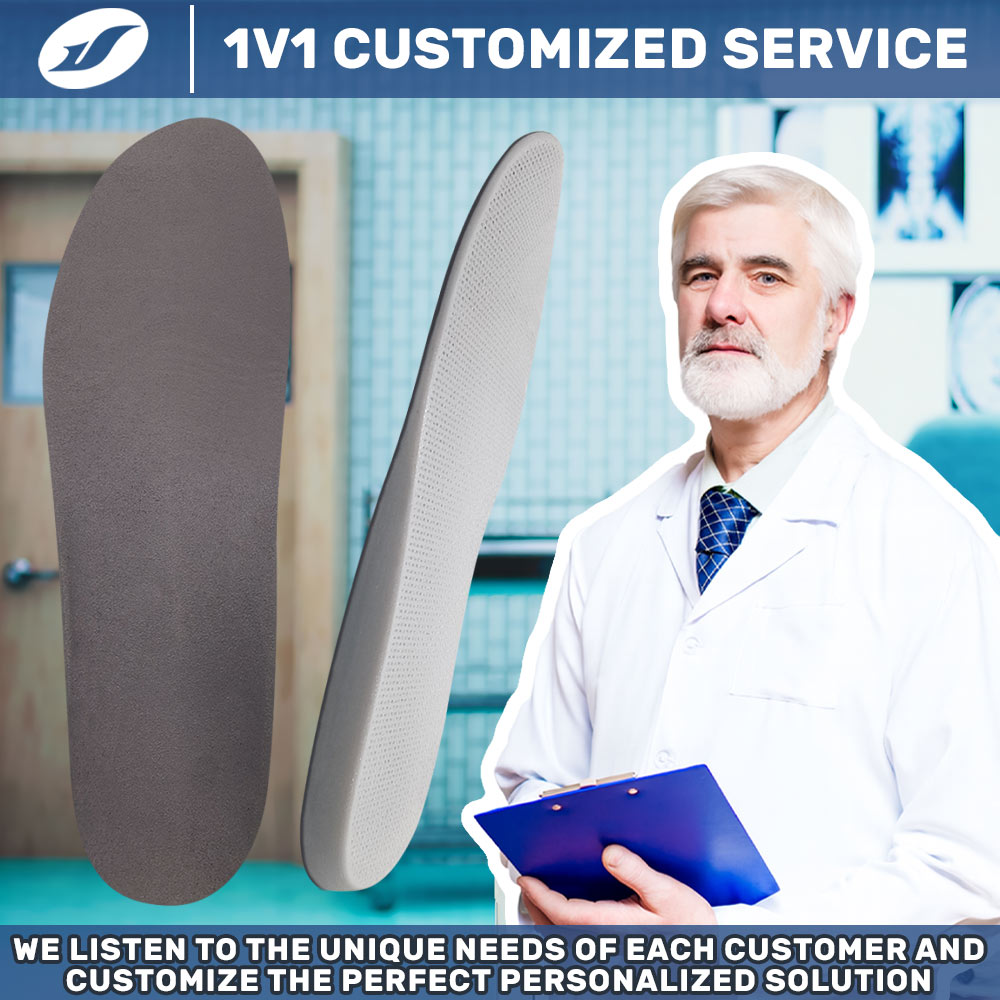
Verify the Supplier’s Biomechanical and Prescription Design Capacity
Assess whether the manufacturer can adapt designs around gait data and plantar pressure findings, instead of relying solely on rigid pre-set templates. Confirm their ability to tune correction angles, address compensatory movement patterns and handle design revisions. Prioritise manufacturers that collaborate with practising podiatrists and physical therapists; this clinical input translates to more consistent outcomes for your patient cases.
Assess Material Grading, Fabrication Methods and Durability
Review shell material options including polypropylene, carbon fibre and modified TPU, as well as cushioning and skin-contact layer specifications. Understand the trade-offs between 3D printing, vacuum thermoforming and CNC milling for different patient presentations. Request biocompatibility records and durability test data for all raw materials. Build quality directly determines whether corrective geometry holds under repeated loading and reduces returns linked to structural breakdown.
Set Up Clinical Sample Validation Protocols
Run controlled in-clinic testing before locking in regular orders. Focus assessments on fit precision, correction retention under weight bearing and practical adjustability. Confirm the supplier’s revision workflow for remodelling or modifying orthosis as patient status changes. Once performance meets your internal benchmarks, finalise and archive a golden sample for future batch reference.
Confirm Regulatory Documentation and Traceability
Orthosis falls under varying medical device frameworks based on your operating region. Confirm your supplier can provide compliant technical files, batch records and ready-to-use labelling packages. Every finished orthosis should carry traceable records linked to the original prescription, scan dataset and raw material batch. This documentation supports clinic chart audits and streamlines insurance submission processes.
Review Lead Time, Order Flexibility and Clinical Support
Clarify standard turnaround windows and expedited production pathways for post-surgical or urgent cases. Check MOQ terms that work for independent clinics and multi-site practice groups alike. Beyond manufacturing capacity, evaluate the support available: practitioner training, compatibility with your scanning hardware and direct access to design specialists for complex case consultation.
Calculate Total Clinic Cost Beyond Unit Price
Unit pricing only tells part of the story. Factor design fees, revision charges, expected rework rates and compliance overhead into your budget. Lower-cost orthosis often comes with undisclosed material downgrades or limited technical backup, which elevates clinical risk and practice liability. Stable performance and responsive clinical support deliver stronger long-term value for your clinic.
Kick Off Your Supplier Evaluation
Follow a structured onboarding sequence: align clinical requirements, finalise prescription specifications, produce test samples, complete in-practice validation and move to recurring batch orders. Share your common case profiles with our team, and we can walk through sample options and commercial terms tailored for your clinic.