Material selection directly affects the structure and performance of orthotic insoles. Different designs require different levels of firmness, cushioning, and support. For manufacturers, combining materials with different physical properties is one way to meet these requirements.
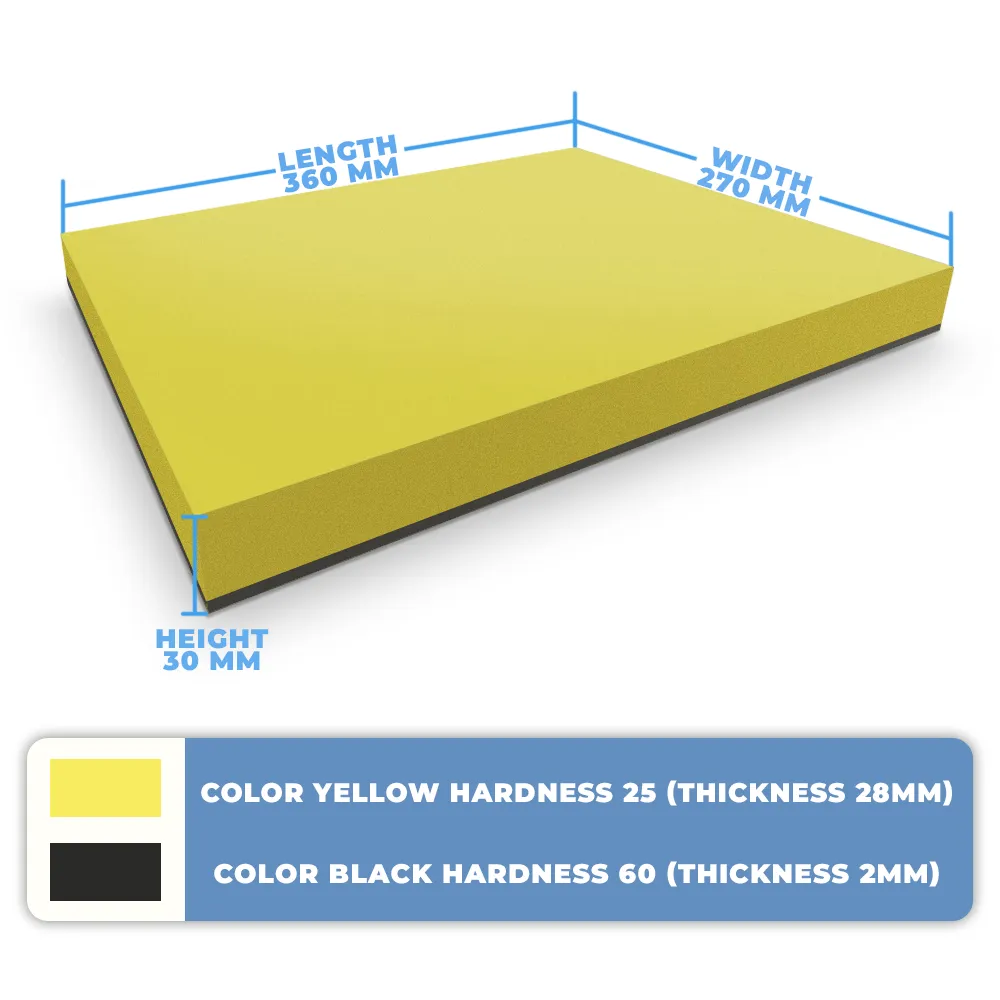
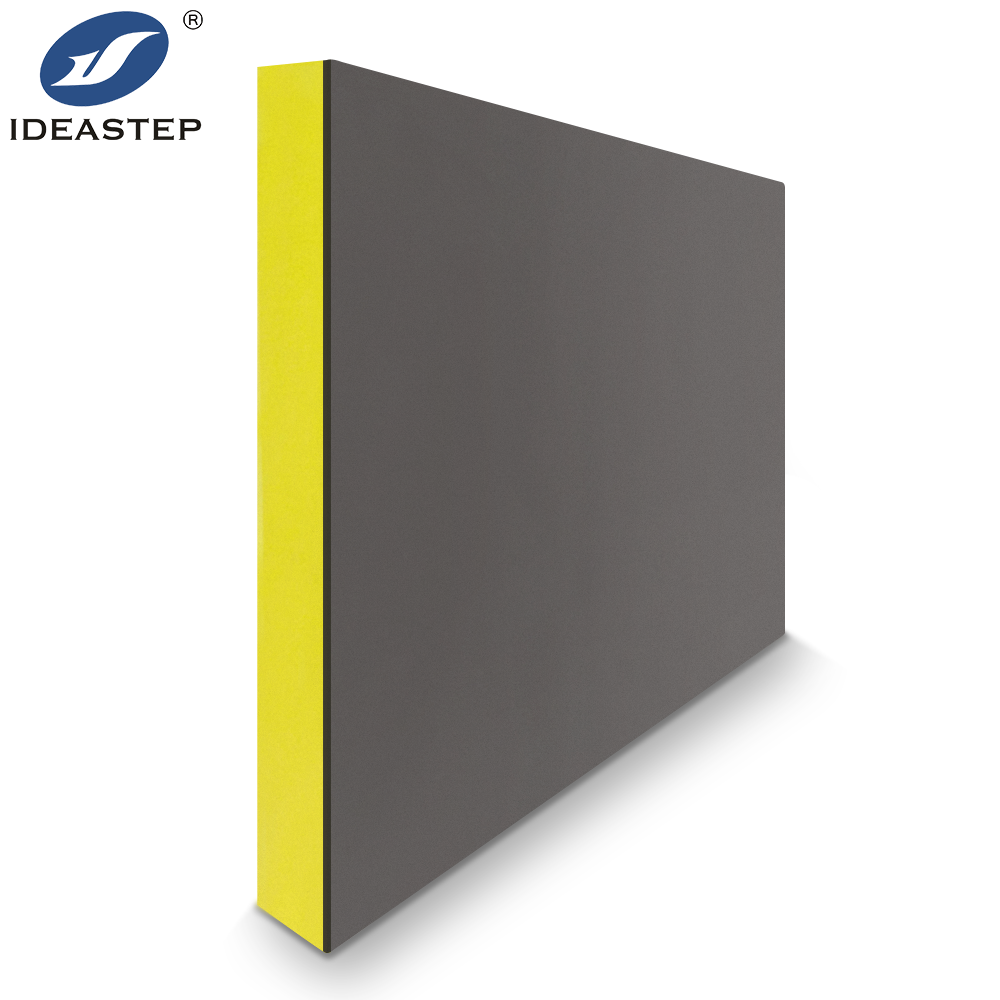
Dual density EVA foam blocks combine two density levels within one material structure. The higher-density section provides greater firmness, while the lower-density section offers a softer material profile. This construction gives manufacturers more flexibility when developing orthotic insoles and footwear components.
IDEASTEP ES028 dual density EVA compression blocks are designed for orthotic insole manufacturers, footwear component suppliers, and EVA material wholesalers. Thickness, size, hardness, and color can be customized according to production requirements.
Understanding the Dual Density EVA Structure
Dual density EVA blocks consist of two EVA sections with different density characteristics. Each section serves a distinct purpose within the material structure, allowing manufacturers to combine firmer and softer areas in one block.
This configuration is particularly relevant to insole production, where different sections of a product may require different material properties. Rather than relying on a single-density material throughout the design, manufacturers can select a combination that better matches the intended construction.
High-Density EVA for Structural Support
The high-density section has a firmer structure and provides greater resistance to compression than the lower-density section. It is suitable for insole designs that require a more supportive material base or firmer structural areas.
Its actual performance depends on the selected density, hardness, thickness, and overall product construction. These specifications should be established according to the requirements of each manufacturing project.
Low-Density EVA for Cushioning
The low-density section has a softer structure and is suitable for applications requiring different cushioning characteristics. When combined with the firmer EVA section, it creates a material configuration with distinct properties within the same block.
This combination gives orthotic insole manufacturers more options when developing products with different structural and cushioning requirements.
Material Properties of Dual Density EVA Compression Blocks
EVA foam is widely used in footwear and orthotic insole manufacturing. Its lightweight structure, water-resistant characteristics, and processing versatility make it suitable for a range of material applications.
Lightweight Material Structure
EVA foam provides a lightweight material option for footwear components and insole production. The final weight of a block depends on its density, thickness, and dimensions. These factors should be considered when specifying materials for a particular product design.
Water-Resistant Closed-Cell Structure
The closed-cell structure of EVA foam helps limit water absorption. This characteristic is relevant to footwear components and other applications where moisture resistance is a material consideration.
Water absorption performance varies with the foam formulation, density, and cell structure. For projects with specific technical requirements, buyers should confirm the relevant material data and test results.
Suitable for Different Processing Methods
Dual density EVA compression blocks can be used in several manufacturing processes, depending on their material specifications and the requirements of the finished component.
- Cutting: Processing blocks into specified shapes and dimensions.
- Compression molding: Forming EVA materials into designated structures using suitable molds and processing conditions.
- Bonding: Combining EVA sections with other compatible materials or components.
- Other fabrication processes: Adapting the material to suitable production methods based on the project requirements.
Processing compatibility depends on material formulation, density, hardness, and equipment. Sample testing is recommended before confirming production specifications.
Customized EVA Specifications for Insole Manufacturers
Insole manufacturers work with different product structures, production equipment, and material requirements. IDEASTEP ES028 supports customized specifications to accommodate these differences.
Customized Thickness and Block Dimensions
Block thickness and overall dimensions can be specified according to the intended application and manufacturing process. Appropriate sizing helps manufacturers plan material cutting, molding, and subsequent fabrication.
Buyers can provide their required dimensions when discussing a project, allowing the material specifications to be evaluated before production.
Adjustable Hardness and Density
Hardness and density determine important characteristics of EVA foam. In a dual density construction, the two sections can be configured to provide different levels of firmness according to the product design.
For manufacturers developing multiple insole models, customized material specifications offer more flexibility than using one fixed-density material across different product lines.
Specific density values and hardness ranges should be confirmed with the manufacturer according to the selected material formulation and project requirements.
Customized Color Options
Custom colors are available for different manufacturing and product requirements. Buyers can specify their preferred colors when discussing the order.
Color options can also help distinguish material specifications and product series during production and inventory management.
Applications of Dual Density EVA Blocks
Dual density EVA compression blocks are primarily intended for insole manufacturing and footwear component production. Their two-density structure provides additional material options for products requiring different levels of firmness and cushioning.
Orthotic Insole Manufacturing
Orthotic insole production often involves different material requirements across the insole structure. Some areas may require a firmer material, while others may call for a softer section.
Dual density EVA allows manufacturers to incorporate these different material characteristics into one construction. The higher-density section can be used in areas requiring greater firmness, while the lower-density section can be applied where a softer material profile is preferred.
For custom orthotic insole production, block dimensions, thickness, hardness, and density are important considerations when matching raw materials with the intended design and processing method.
Footwear Component Production
Dual density EVA can also be used in footwear components that require different material properties within one structure. Manufacturers can select suitable specifications according to component design, processing requirements, and the intended application.
The material can be evaluated for cutting, compression molding, and bonding processes, subject to its formulation and production conditions.
Decoration and Craft Applications
In addition to footwear-related applications, EVA foam blocks can be processed for decoration and craft production. Customized thickness, dimensions, and colors provide options for different fabrication projects.
Advantages of Dual Density Materials in Insole Production
The main value of dual density EVA lies in combining two different material characteristics within one block. This gives manufacturers more control over material selection when developing insole structures.
Different Material Properties Within One Structure
A dual density block combines a firmer section with a softer section. This allows manufacturers to incorporate different levels of material firmness and cushioning without treating the entire product as a single-density construction.
More Options for Insole Design
Different insole models may require different material configurations. Customized density, hardness, and thickness give manufacturers more options when developing new structures or adjusting existing product specifications.
Material Specifications Matched to Production Requirements
Block dimensions and material properties can be specified according to the intended manufacturing process. This makes it easier to evaluate the suitability of the raw material for cutting, compression molding, bonding, and other compatible fabrication methods.
Quality Control and Documentation for EVA Material Buyers
For bulk EVA material sourcing, clear technical specifications are essential. Buyers should establish material requirements before production and confirm that the supplied blocks meet the agreed specifications.
Key points to review include:
- Density and hardness: Confirm the specified properties of both material sections.
- Material structure: Check the consistency and bonding between the two density sections.
- Dimensions: Verify thickness, length, and width against the order requirements.
- Batch consistency: Establish inspection requirements for repeat production orders.
- Compliance documentation: Review relevant certificates and test reports, including their validity and applicable scope.
The product information for IDEASTEP ES028 lists RoHS, HF, and ISO 9001-2000 as certification or compliance references. Buyers should request the corresponding documents and confirm their validity and scope before purchase.
Custom Dual Density EVA Compression Blocks from IDEASTEP
IDEASTEP ES028 dual density EVA compression blocks are developed for orthotic insole manufacturers, footwear component suppliers, and EVA material wholesalers.
The material combines higher-density and lower-density EVA sections to provide different physical characteristics within one block. This structure supports the development of insole and footwear components with varying material requirements.
Thickness, size, hardness, and color can be customized according to project specifications. The blocks can also be evaluated for cutting, compression molding, bonding, and other suitable manufacturing processes.
For bulk sourcing projects, buyers can discuss material configurations, required dimensions, and processing conditions with IDEASTEP before confirming an order.
Contact IDEASTEP to discuss ES028 dual density EVA compression blocks, request material specifications, and inquire about customized wholesale supply.
Browse Related Products: https://www.aideastep.com/product/ideastep-dual-density-compression-molded-eva-blocks-for-custom-insole-production/.