Custom foot insole manufacturing involves more than changing product dimensions or selecting different materials. Structural design, material compatibility, tooling, and production methods all influence the final product.
For orthotic suppliers, footwear brands, and wholesale distributors, understanding these factors helps determine whether a custom insole design is technically feasible, cost-effective, and suitable for repeat production.
This article examines the main design configurations, material combinations, and manufacturing processes used in custom foot insole production.
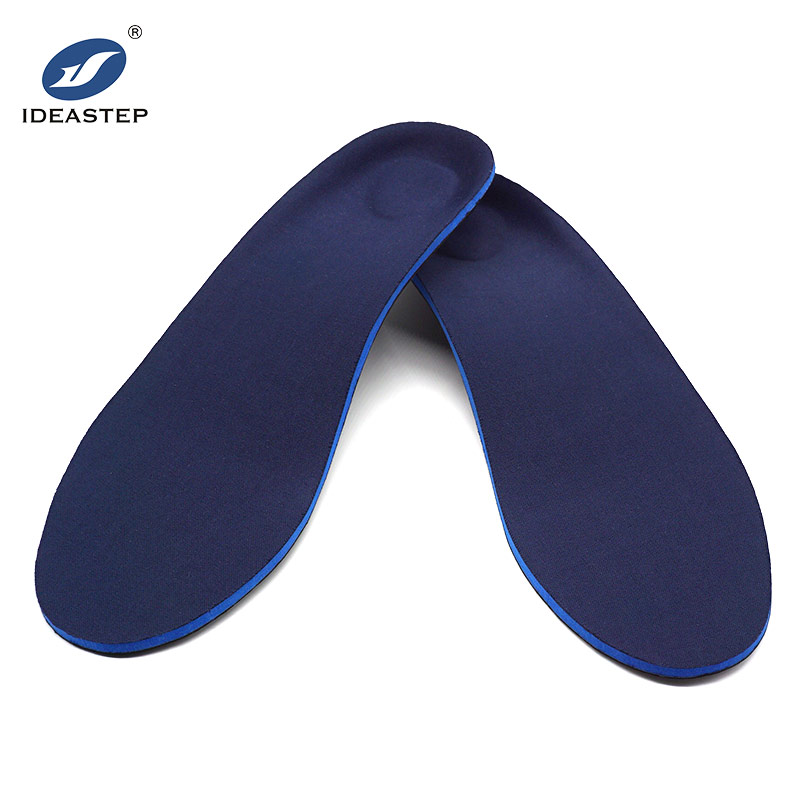
Structural Design Options for Custom Foot Insoles
Insole structure should reflect the intended application, footwear dimensions, and required support characteristics. Manufacturers can modify individual components or combine several structures to create different product specifications.
Arch Support and Shell Construction
The arch section influences the geometry and rigidity of an orthotic insole. Key design variables include arch height, width, contour, shell thickness, and material flexibility.
Depending on the required construction, manufacturers may use:
- Flexible structures: EVA-based designs with greater flexibility.
- Semi-rigid structures: Combinations of foam materials and thermoplastic support components.
- Rigid structures: PP or other suitable materials for firmer support shells.
The selected structure should match the required profile and footwear space. Material thickness and shell geometry also need to remain consistent across the size range.
Heel Cup and Rearfoot Geometry
Heel cup design involves several dimensions, including depth, width, wall height, and rearfoot contour. These variables affect the shape of the heel section and its integration with the arch structure.
For custom projects, the heel cup should be designed together with the support shell and cushioning layers. This helps avoid unnecessary thickness changes and component alignment problems.
Forefoot and Metatarsal Components
Forefoot construction varies according to product length and functional requirements. Common design elements include metatarsal pads, forefoot cushioning, tapered edges, and localized foam sections.
The position and thickness of these components should be specified in the product drawing or reference sample. For 3/4-length designs, particular attention should be given to the transition between the insert and the exposed forefoot area.
Top Cover and Surface Construction
The top cover forms the upper contact layer and contributes to the product’s appearance and surface characteristics. Microfiber, polyester fabric, mesh, and other textile materials can be selected according to the product specification.
Manufacturers should consider fabric thickness, bonding compatibility, edge finishing, and logo placement when integrating the top cover into the complete structure.
Material Selection and Layer Combinations
Material selection should account for density, hardness, flexibility, resilience, thickness, and processing compatibility. These properties determine how individual components perform within the complete insole construction.
| Material | Key Properties | Common Application |
|---|---|---|
| EVA | Lightweight, flexible, available in different densities and hardness levels | Insole bases, cushioning layers, and molded components |
| PU Foam | Soft cushioning properties and varied formulations | Cushioning layers and padding |
| TPU | Flexible and resilient | Molded structural components |
| Polypropylene (PP) | Relatively rigid and dimensionally stable | Orthotic support shells |
| Latex | Resilient foam characteristics | Cushioning components |
| PORON-type Materials | Resilient cushioning properties | Localized cushioning pads |
| Microfiber and Fabric | Different textures, thicknesses, and finishes | Top covers |
Single-Layer and Multi-Layer Construction
Single-layer constructions suit products with relatively simple material and structural requirements. Multi-layer designs allow manufacturers to combine materials with different properties within one insole.
A typical multi-layer configuration may include:
- An EVA base for the main body.
- A PP or TPU shell for structural support.
- A PU or PORON-type layer for localized cushioning.
- A microfiber or fabric top cover for surface finishing.
Each additional layer affects overall thickness, weight, bonding requirements, and production cost. Manufacturers should therefore evaluate the complete material stack before confirming the design.
Manufacturing Processes and Their Applications
Different insole structures require different manufacturing methods. Process selection depends on material characteristics, component geometry, tooling investment, and expected order volume.
Die Cutting
Die cutting produces repeatable component shapes from EVA sheets, foam materials, and textile layers. It is suitable for established product dimensions and high-volume production of flat or layered components.
Compression Molding
Compression molding forms suitable materials under controlled heat and pressure. It is commonly used for shaped foam components and molded insole structures.
Temperature, pressure, and molding time must be controlled to maintain consistent thickness and geometry.
Thermoforming
Thermoforming shapes suitable thermoplastic sheets through controlled heating and forming. It is frequently used for contoured support shells and components that require a defined three-dimensional profile.
CNC Machining
CNC machining provides controlled shaping of molds, tooling, and suitable orthotic components. It is useful for customized contours, detailed surface geometry, and designs developed from digital files.
Injection Molding
Injection molding is suitable for selected thermoplastic components that require repeatable geometry and dimensional consistency. Tooling costs, material selection, and production volume should be evaluated before choosing this process.
Manufacturing Factors That Affect Product Consistency
Once a design enters production, material variation, dimensional tolerances, and component assembly become important control points.
Dimensional Tolerances
Length, width, thickness, arch height, and heel cup dimensions should follow agreed specifications. Size grading also requires attention because structural proportions may change across different sizes.
Material and Bonding Compatibility
Different foam, plastic, and textile materials may require different bonding methods. Adhesive selection, surface preparation, and bonding conditions should be tested during product development.
Tooling and Process Control
Molds, cutting dies, and forming tools should match the approved product dimensions. Regular tooling checks and controlled production parameters help reduce variation between batches.
Finished Product Inspection
Quality inspection should cover:
- Material thickness, density, and hardness.
- Product dimensions and structural geometry.
- Component alignment and bonding quality.
- Surface finish, edge quality, and color consistency.
- Comparison with the approved reference sample.
Documented inspection criteria provide a consistent basis for evaluating production batches and resolving specification deviations.
Custom Foot Insoles for Wholesale and OEM/ODM Supply
For wholesale and private-label projects, customization must balance product differentiation with production feasibility. Not every design change requires new tooling, but changes to shell geometry, material thickness, or molded components may affect manufacturing costs and lead times.
Before requesting a quotation, buyers should confirm the following:
| Specification | Information Required |
|---|---|
| Product structure | Full-length, 3/4-length, layered, or molded construction |
| Dimensions | Length, width, thickness, and size range |
| Support components | Arch profile, heel cup, and shell requirements |
| Materials | Material type, density, hardness, and thickness |
| Surface design | Top cover, color, texture, and logo |
| Production quantity | Estimated order volume and size distribution |
| Packaging | Bulk packaging or private-label requirements |
MOQ, sample arrangements, tooling costs, and production lead times should be assessed according to the selected materials and manufacturing processes.
Custom Foot Insole Manufacturing with Ideastep
Ideastep provides B2B custom orthotic insole development and bulk manufacturing services. Our capabilities cover different support structures, material combinations, CNC processing, and private-label production requirements.
Buyers can submit technical drawings, reference samples, or product specifications for evaluation. Our team can then review the proposed construction, material options, and suitable manufacturing methods.
For projects involving new product structures or modifications to existing designs, clear technical requirements help establish production feasibility and maintain consistency across bulk orders.
Contact our team to discuss custom foot insole specifications, manufacturing options, and OEM/ODM cooperation.
Related Articles: Custom Foot Insoles for Brands, Clinics and OEM Projects.