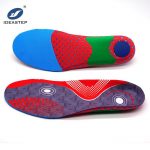
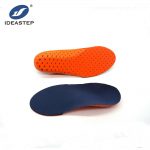
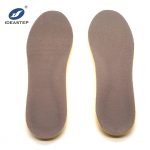
Plantar orthosis manufacturing involves more than shaping a foot-supporting product. Material selection, arch geometry, shell rigidity and cushioning distribution all influence the finished structure and its production requirements.
For orthotic manufacturers, medical product suppliers and footwear brands, each project needs a clear technical specification. The development team must match materials and production methods to the intended application while maintaining dimensional accuracy and batch consistency.
1. Plantar Orthosis Types and Product Structures
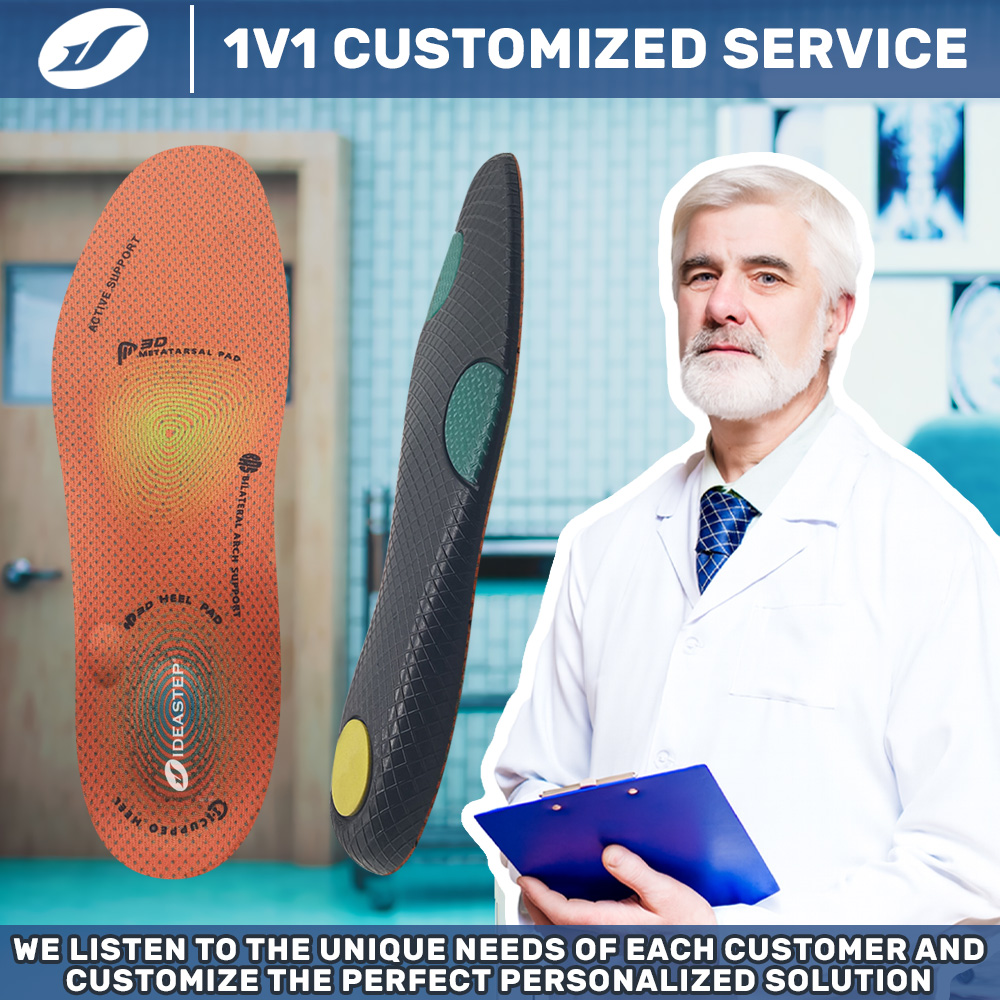
Plantar orthoses vary in construction according to their intended function and material requirements. Manufacturers generally develop several configurations:
- Functional orthoses: Use defined contours and structural stiffness to provide mechanical support.
- Accommodative orthoses: Incorporate softer materials and contoured surfaces to distribute contact pressure.
- Semi-rigid orthoses: Combine a supportive shell with cushioning layers.
- Custom molded orthoses: Follow specified foot contours and individual design requirements.
- Prefabricated orthoses: Use standardized structures and size ranges for scalable production.
Each configuration requires a different combination of materials, tooling and forming processes. Therefore, manufacturers should define the product structure before selecting the production route.
2. Materials Used in Plantar Orthosis Manufacturing
Material selection determines the weight, flexibility, cushioning and structural properties of a plantar orthosis. Most manufacturers combine several materials because each component serves a different purpose.
EVA Foam
EVA is widely used in orthotic manufacturing because of its low weight and adjustable hardness and density. Depending on the formulation, manufacturers can use it as a cushioning base or a formed support component.
The selected material grade and thickness should match the required compression characteristics. In addition, consistent processing helps maintain dimensions across production batches.
Polyurethane (PU) Foam
PU foam offers another option for cushioning layers, particularly when a project requires specific compression and resilience characteristics. Its density and formulation influence how the material responds to repeated loading.
Manufacturers often combine PU with EVA or a thermoplastic shell in multi-layer constructions. This approach allows the design team to adjust cushioning and structural properties within the same product.
Thermoplastic Materials
For support shells and other structural components, manufacturers commonly select polypropylene (PP) or thermoplastic polyurethane (TPU).
PP provides relatively rigid support at suitable thicknesses. By comparison, TPU offers different flexibility options depending on its formulation and geometry.
Both materials require appropriate heating and forming conditions. Therefore, manufacturers should confirm material thickness, stiffness and forming temperature before finalizing the mold specifications.
Top Cover Materials
Polyester fabric, mesh and microfiber are common choices for orthotic top covers. Each option offers different characteristics in abrasion resistance, moisture management and bonding compatibility.
The design team should also check how the selected fabric interacts with the underlying foam. Otherwise, poor material compatibility may cause bonding problems or excessive thickness after assembly.
Multi-Layer Construction
Many plantar orthoses combine several components to achieve the required structure. A typical construction may include:
- Fabric top cover: Provides the surface layer and moisture management.
- EVA or PU foam: Adds cushioning and controls overall thickness.
- PP or TPU shell: Creates the defined support structure.
- Additional cushioning components: Meet specific product requirements in selected areas.
Each layer contributes to the finished profile. Therefore, manufacturers need to account for material thickness, bonding allowances and component alignment during product development.
3. Key Structural Design Considerations
A plantar orthosis needs a coordinated structure in which each component works with the others. Arch geometry, heel cup dimensions and shell stiffness should therefore be evaluated as part of the complete design.
Arch Support Geometry
Arch height, length and curvature define the support profile. The design team should match these parameters to the product specification and selected material.
For shell-based orthoses, thickness and stiffness also influence the final contour. As a result, a change in material or shell dimensions may require corresponding adjustments to the arch profile.
Heel Cup and Rearfoot Structure
The heel cup’s depth, width and sidewall profile define the rearfoot structure. These dimensions influence the shape and containment characteristics of the finished component.
In addition, the transition between the heel seat and arch area needs to match the overall construction. This becomes particularly important when manufacturers combine a thermoplastic shell with foam cushioning.
Forefoot Cushioning and Thickness
Forefoot construction requires careful control of cushioning thickness, flexibility and overall profile. These parameters also affect compatibility with the intended footwear.
For example, a low-profile design may require thinner foam layers or a more compact support structure. Meanwhile, other product specifications may call for additional cushioning in selected areas.
Manufacturers should document the position and thickness of each component in the technical drawings. This helps production teams maintain consistent material placement during assembly.
Shell Rigidity and Flexibility
Shell stiffness plays an important role in functional and semi-rigid plantar orthoses. Material type, thickness, geometry and forming conditions all contribute to the final mechanical properties.
Therefore, the development team should evaluate the complete shell construction rather than relying on material hardness alone. Prototype testing can then help confirm whether the design meets the required specification before mass production.
4. Manufacturing Processes for Plantar Orthoses
The production route depends on product structure, material combination and order volume. Most manufacturing workflows involve several coordinated stages.
Foot Shape Acquisition and CAD Design
Custom projects may begin with plaster casts, foam impressions or 3D foot scans. The design team uses this reference data to develop the required product geometry.
CAD modeling defines arch profiles, heel cup dimensions, thickness distribution and other structural details. These digital files also guide mold production and later design revisions.
CNC Milling
CNC machining converts digital designs into physical molds, positive models and selected orthotic components. This process helps manufacturers reproduce defined contours and dimensions.
For custom projects, digital machining also makes design adjustments easier to manage. In addition, manufacturers can use the same approved files as a reference for repeat production.
Thermoforming
Thermoforming shapes PP and TPU sheets into support shells. The operator heats the thermoplastic material, forms it over a mold and allows it to cool into the required profile.
Temperature, forming pressure and cooling time all influence the result. Consequently, production teams need consistent process parameters to reduce deformation, uneven thickness and dimensional variation.
Foam Molding and Cutting
Manufacturers process EVA and PU components through suitable molding methods or prepare them through die cutting and CNC cutting.
The appropriate method depends on material formulation, component geometry and production volume. For multi-layer designs, cutting accuracy also helps maintain proper alignment during assembly.
Layer Bonding and Finishing
After preparing the individual components, the production team aligns and bonds the top cover, cushioning layer and support shell according to the product specification.
Adhesive selection, surface preparation and bonding pressure all affect assembly quality. Finally, operators trim and finish the insert to meet the approved dimensions and edge profile.
5. Custom Plantar Orthosis Solutions for Different Applications
Different product categories require different combinations of materials, support structures and manufacturing processes.
| Application | Main Manufacturing Requirements |
|---|---|
| Medical and orthotic products | Defined arch geometry, heel cup structure and shell rigidity |
| Diabetic foot care products | Cushioning distribution, suitable surface materials and pressure management requirements |
| Sports footwear | Lightweight construction, cushioning characteristics and flexibility |
| Work and safety footwear | Durability, thickness control and footwear compatibility |
| Children’s orthotic products | Size-specific geometry, material selection and dimensional consistency |
| Private-label orthoses | Custom specifications, branding, packaging and repeatable production |
These requirements influence material selection and product construction from the beginning. Therefore, B2B project teams should confirm the target application before developing samples or finalizing tooling.
6. Quality Control in Plantar Orthosis Production
Consistent production requires inspection of raw materials, formed components and finished assemblies. Manufacturers should establish clear acceptance criteria for each stage.
Key quality checks include:
- Dimensional accuracy: Measure length, width, thickness and component alignment.
- Material properties: Check hardness, density and thickness against approved specifications.
- Structural profile: Inspect arch height, heel cup dimensions and overall contour.
- Forming quality: Look for wrinkles, cracks, deformation and uneven thickness.
- Bonding strength: Evaluate adhesion between the top cover, cushioning layer and support shell.
- Durability: Test material performance under specified repeated loading and flexing conditions.
- Batch consistency: Compare finished products with approved samples and technical drawings.
For OEM and wholesale orders, approved samples and documented specifications provide a reliable reference for repeat production. In addition, inspection records help manufacturers identify material or process variations between batches.
7. Custom Development and OEM Manufacturing
Custom plantar orthosis projects require coordination between product design, material sourcing, tooling and production planning.
Before development begins, manufacturers and buyers should confirm:
- Product drawings or reference samples
- Arch support and heel cup specifications
- Material types, hardness and thickness
- Size range and dimensional tolerances
- Molding, thermoforming and cutting requirements
- Logo, top cover and packaging specifications
- MOQ, sample lead time and bulk production schedule
For complex constructions, prototype samples allow the development team to evaluate material combinations, component alignment and structural dimensions. After reviewing the samples, both parties can confirm the final specifications and record any design revisions before mass production.
8. Selecting a Plantar Orthosis Manufacturing Partner
A qualified manufacturing partner needs more than access to raw materials. Experience in orthotic construction, tooling, forming and multi-layer assembly also matters.
When evaluating suppliers, B2B buyers should review:
- Material sourcing and available specifications
- Custom mold and CNC machining capabilities
- Thermoplastic forming and foam processing
- Multi-layer bonding and finishing
- Sample development and design revision
- Production capacity and quality control procedures
Most importantly, the supplier should maintain approved specifications across different sizes and repeat orders. Clear communication about tooling, sampling and lead times also supports long-term wholesale and private-label cooperation.
9. Custom Plantar Orthosis Manufacturing with Ideastep
Reliable plantar orthosis manufacturing depends on the coordination of material properties, structural design and production control. Each component must meet its specification and remain compatible with the complete product construction.
Ideastep works with orthotic brands, medical product suppliers, footwear manufacturers and distributors on custom insole development and bulk production. Projects can address specific arch structures, heel cup designs, material combinations and application requirements.
For OEM or wholesale projects, share your drawings, reference samples or technical specifications with our team. We can discuss suitable materials, product construction and sample development. Free samples are available for qualified project evaluation.
Related Articles: What to Evaluate Before Sourcing High-Performance Custom Orthosis for Your Clinic.