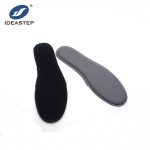
Developing a quality orthotic insole requires the right combination of materials, structural design and manufacturing processes. Each element affects the product’s construction, flexibility, cushioning and overall consistency.
For orthotic brands, laboratories, footwear manufacturers and distributors, customizable orthotic insoles offer greater control over product specifications and branding. Buyers can select materials, adjust support structures and develop products for different market requirements. As a result, customization provides greater flexibility for OEM, private-label and wholesale projects.
This guide covers the key materials, design options and manufacturing considerations for custom insole development.

1. What Can Be Customized in an Orthotic Insole?
Customization allows manufacturers to adjust the insole construction according to specific product requirements. Depending on the intended application, buyers can select:
- Materials: EVA, PU, TPU, polypropylene and specialty cushioning materials.
- Arch support: Height, length and curvature.
- Heel cup: Depth, width and shape.
- Cushioning: Material type, thickness and density.
- Top cover: Mesh, microfiber, leather and other fabrics.
- Dimensions: Size, width, thickness and product outline.
- Branding: Logo, labels and customized packaging.
These options help brands and distributors develop products for different market segments. At the same time, manufacturers can assess the proposed construction against production requirements and target costs.
2. Materials Used in Custom Orthotic Insoles
Material selection affects cushioning, flexibility, weight, durability and manufacturing cost. Therefore, the final combination should match the intended product construction rather than rely on a single material property.
EVA Foam
EVA foam is widely used in orthotic insoles because of its lightweight structure and versatile cushioning properties. Manufacturers can select different densities, hardness levels and thicknesses to suit specific designs.
In addition, EVA can be processed through cutting, molding and CNC milling. This makes it suitable for various insole constructions, from basic cushioning layers to contoured orthotic bases.
PU Foam and PORON
PU foam is commonly used in cushioning layers. Depending on the formulation, it offers different levels of softness and resilience.
Similarly, PORON and other specialty cushioning materials can be added to specific areas, such as the heel and forefoot. The appropriate material grade and thickness should be confirmed according to the required construction.
TPU and Polypropylene
These thermoplastic materials are commonly used to produce structural support components. While TPU offers flexibility, polypropylene provides a firmer structure for applications requiring greater rigidity.
The final selection depends on the required shell geometry, material thickness and flexibility. Buyers should confirm these specifications during product development to ensure the material matches the intended design.
Top Cover Materials
The top cover influences the insole’s surface finish and appearance. Common choices include mesh fabric, microfiber, leather and velvet.
For private-label projects, buyers can also specify the preferred material, color and texture to match their product range.
3. Key Design Features
A well-designed orthotic insole depends on the relationship between its geometry, materials and individual components. For this reason, manufacturers should evaluate the complete construction rather than develop each feature separately.
Arch Support and Heel Cup
Arch height, length and curvature can be adjusted to suit different product designs. Likewise, heel cup depth, width and shape can be developed according to the required construction.
Clear design specifications help reduce revisions during sampling. They also provide a consistent reference for repeat production.
Forefoot and Metatarsal Features
Forefoot thickness, localized cushioning and metatarsal components can be incorporated where required. However, their position and dimensions need careful consideration, particularly when the finished insole must fit footwear with limited internal space.
Multi-Layer Construction
Many customizable orthotic insoles combine several materials to achieve the required structure. A typical construction may include:
- A mesh, microfiber or leather top cover.
- An EVA or PU cushioning layer.
- A TPU or polypropylene support component.
- A bottom layer selected for the intended construction.
Not every product requires all four layers. Instead, the final combination should reflect the application, thickness limitations and target cost.
4. Manufacturing Processes
The manufacturing method should match the selected materials and product design. In many projects, manufacturers combine several processes to produce the complete insole.
CNC Milling
CNC milling shapes foam materials according to digital design specifications. It is suitable for developing defined contours, arch profiles and heel cup geometries.
For custom development, manufacturers can use CAD files or approved references to produce samples. Once the design receives approval, the same specifications can guide repeat production.
Thermoforming
Thermoforming is commonly used for TPU and polypropylene support components. During this process, the material is heated and formed over a mold to achieve the required shape.
To maintain dimensional consistency, manufacturers need to control temperature, forming conditions and cooling.
Compression Molding
Compression molding uses heat and pressure to form suitable materials into specified shapes. In this process, mold design and processing conditions influence the finished component.
Cutting and Assembly
After individual components are prepared, workers cut, bond and assemble the materials according to the approved construction. Meanwhile, bonding quality, component alignment and trimming accuracy remain important inspection points.
5. OEM and Private-Label Customization
For brands, distributors and footwear manufacturers, customization also covers branding and packaging requirements.
| Customization Area | Available Options |
|---|---|
| Materials | EVA, PU, TPU, PP, PORON and fabrics |
| Hardness and thickness | Different material specifications |
| Structure | Arch support, heel cup and metatarsal features |
| Top cover | Mesh, microfiber, leather and other textiles |
| Dimensions | Custom sizes and product outlines |
| Branding | Logo and product labels |
| Packaging | Polybags and customized boxes |
Before sample production, buyers should confirm these details with the manufacturer. A clear specification sheet helps assess material feasibility, estimate costs and reduce unnecessary revisions.
For private-label orders, logo placement, labeling and packaging artwork should also be approved before bulk production begins.
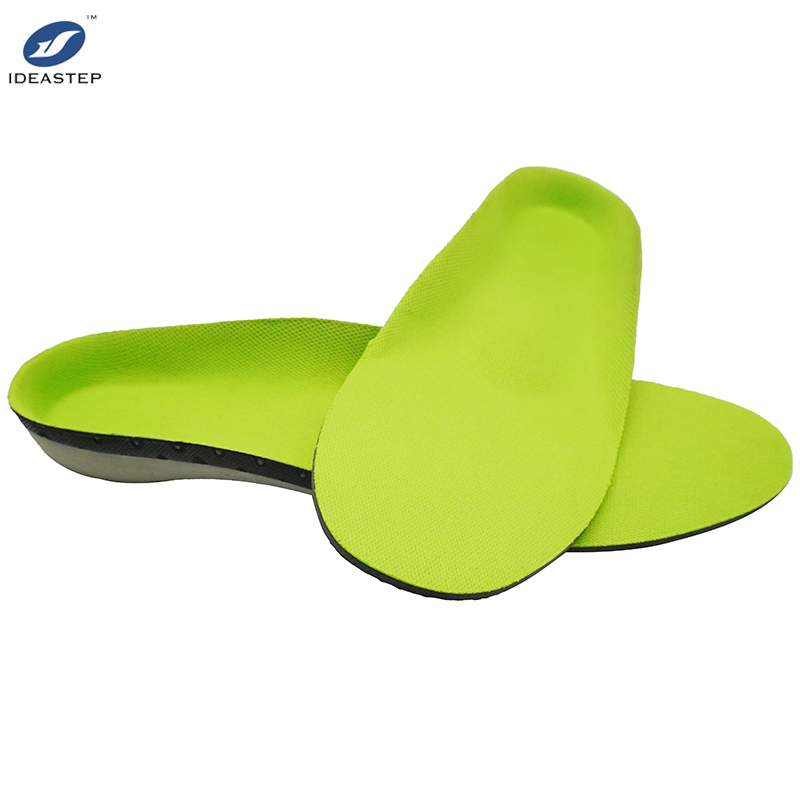
6. Quality Control for Wholesale Production
Consistent quality is essential for distributors, brands and repeat bulk orders. Therefore, inspection should cover both incoming materials and finished products.
Key inspection points include:
- Material inspection: Verify material type, thickness, hardness and density.
- Dimensional inspection: Check length, width, thickness and structural features.
- Bonding inspection: Examine layer adhesion and component alignment.
- Appearance inspection: Review trimming, surface finish, color and logo placement.
- Batch consistency: Compare production items with approved samples and specifications.
In addition, buyers and manufacturers should agree on inspection criteria and acceptable tolerances before mass production. This provides a clear reference for product approval and repeat orders.
7. Applications Across B2B Markets
Different markets require different material combinations and insole constructions. Understanding the target application helps manufacturers select suitable production methods.
- Medical and orthotic supply: Orthotic laboratories, clinics and medical distributors may require defined support structures, specific materials and consistent dimensions.
- Sports footwear: Brands may prioritize lightweight materials, cushioning and flexible structures.
- Work and safety footwear: Projects may require durable materials, suitable thickness and compatibility with specific footwear designs.
- Wholesale and private-label products: Distributors often need multiple models, size ranges and packaging configurations.
Although these markets have different requirements, clear product specifications remain important for every project.
8. How to Choose a Custom Insole Manufacturer
A suitable manufacturing partner should offer the right material options, production capabilities and quality management. Before placing an order, B2B buyers should evaluate:
- Material capabilities: Experience with foam, thermoplastic and top cover materials.
- Design support: Ability to review drawings, samples and technical specifications.
- Production processes: Suitable cutting, milling, molding and assembly capabilities.
- Quality control: Material inspection and finished-product checks.
- Bulk supply: MOQ, production lead time and repeat-order capacity.
- OEM services: Logo, labeling and packaging options.
When requesting a quotation, provide product drawings, reference samples or technical requirements whenever possible. Also include the expected order quantity and size range so the manufacturer can assess the project more accurately.
If some details are not yet available, an existing product sample can serve as a useful starting point for discussion.
9. Develop Your Custom Orthotic Insole Project
Customizable orthotic insoles allow brands, distributors and orthotic businesses to develop products around specific material, structural and commercial requirements.
From EVA and PU foam to TPU and polypropylene support components, each construction should match the intended application and manufacturing process. Ultimately, clear specifications, sample approval and consistent production standards provide a stronger foundation for wholesale supply.
Ideastep works with B2B customers on orthotic insole development and manufacturing. Whether you are launching a private-label product, expanding an existing range or sourcing custom insoles for wholesale distribution, we welcome your drawings, samples and technical requirements.
Please contact us to discuss your project, request a quotation or explore sample development options.
Related Post:
Dual Density EVA Sport Insoles for Footwear Manufacturing
How Multi-Layer Construction Shapes 3D Printed Insole Design