Introduction
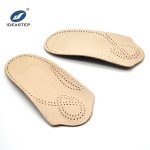
3/4 high arch support insoles are a solid addition to wholesale catalogs, thanks to their slim build and ability to fit into a wider range of footwear. Even so, many wholesalers bring this SKU online without defining its intended use, which leads to mismatched buyer expectations and unnecessary returns. Before listing, it pays to understand its biomechanical boundaries, material requirements, and supplier quality benchmarks. These details separate a marketable product from one that creates headaches for your clinic and retail partners.

Understand The Core Difference: 3/4 Length vs Full-Length Orthotics
The shortened design stops before the toe box, and this feature is both its biggest selling point and main limitation. It slides easily into tight shoes where full-length orthotics cannot fit, yet it does not offer the same level of forefoot control. Built primarily for heel stability and medial arch lift, it works well for pes cavus, plantar fasciitis and recurring lateral foot strain. It is not a substitute for prescription custom orthotics meant for complex foot deformities. Clear, honest descriptions in your catalog help clinical buyers make appropriate recommendations and reduce improper use.
Define Arch Height, Stiffness and Material Specifications Upfront
High arch profiles are not all created equal. A 3/4 insole built with too soft a substrate will collapse quickly under load, while an overly rigid unit may cause discomfort for users with sensitive soft tissue. Most dependable options use high-density EVA or TPU reinforcement for the arch frame, paired with thinner cushioning top layers. Lock down shore hardness, arch elevation and heel cup depth in your spec sheet, and confirm your supplier can hold these metrics consistently across batches. Inconsistency here is the top source of complaints from podiatry clients.
Validate Footwear Compatibility For Your Target Channels
Your customers will stock these insoles for many shoe styles: dress shoes, casual footwear, work boots and narrow athletic shoes. Even with the shorter 3/4 cut, overall thickness and heel contour still impact fit. Ask your supplier to test samples across the shoe types your accounts commonly carry. Grouping SKUs by thickness tiers in your catalog helps resellers pick the right variant for slim formal footwear versus roomier work footwear.
Sort Compliance and Documentation By Market
If you supply clinics and medical distributors, the claims you attach to the product dictate the documentation you need. Medical-oriented listings require traceable batch records, ISO 13485 aligned test reports and CE declarations for EU sales. Retail-focused lines follow different labeling standards, with less restrictive therapeutic wording. Resolve these points before launch. Incorrect documentation or overstated clinical benefits can delay customs clearance and expose your brand to liability.
Test OEM and Private Label Flexibility Before Bulk Commitment
Most wholesalers plan to sell these insoles under their own brand name. Confirm what custom work your supplier supports: embossed logos, custom top-sheet fabrics, color coding for different arch grades, and tailored packaging. Run a small pilot batch first instead of locking in large MOQs right away. Pilot runs reveal issues with logo placement, packaging lead times and dimensional drift before you roll the SKU out to your full dealer network.
Set Clear Catalog Copy and Sales Guidance For Your Resellers
Good catalog language clearly marks suitable use cases and boundaries. State that these insoles deliver high arch support, and are not designed for severe foot pathologies requiring prescription orthotics. Share simple selling guidance with your resellers, so their clinic and retail staff understand when to recommend this product and when to refer patients for custom orthotic work. This builds trust and keeps return rates low over time.
Conclusion
3/4 high arch support insoles fill a practical niche for wholesalers, but successful catalog placement hinges on fixed specs, verified fit, reliable material performance and market-ready compliance paperwork. Once these elements are locked in, you gain a stable SKU that complements your existing orthotic lineup and appeals to both clinic partners and footwear retailers. Get in touch to review samples, spec sheets and private label terms for your upcoming catalog addition.
Recommended Reading:
3/4 Length Kids Orthotic Insoles: UCBL Heel Support and Custom Arch Design
Custom Fit Pain Relief Orthotic Inserts in 3/4 Length for Targeted Foot Support Introduction