For footwear OEMs, medical distributors and foot care clinics, sourcing orthotic materials is far more than a simple purchasing task. The foams, base substrates, reinforcement shells and top fabrics you choose directly determine whether your finished insoles hold steady through sampling, pilot runs and full-scale manufacturing. Many brands run into avoidable headaches: arch support that weakens between batches, delamination during lamination, or clinical orthotics whose biomechanical performance drifts once production scales up. This piece covers what to assess when selecting orthotic material suppliers, and how to lock in consistency as you keep developing new products.
1. Align Material Grades With Your End Product Workflow
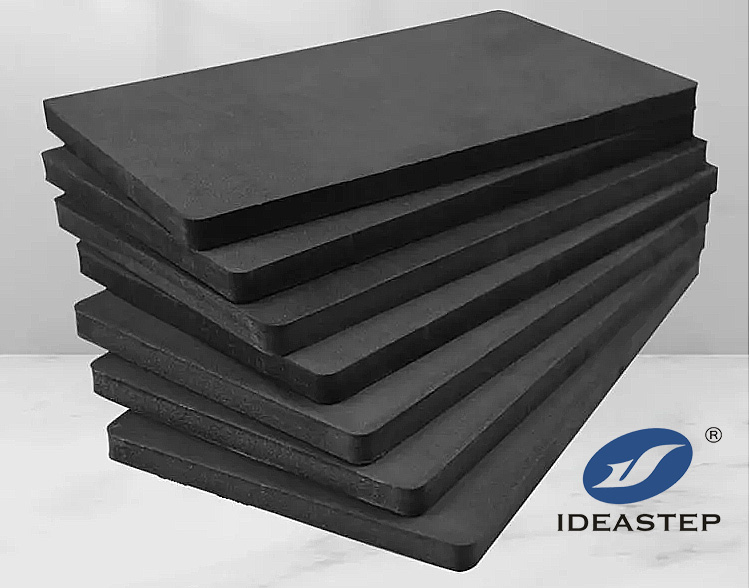
Start by matching each material formulation to your production method and intended use case, instead of picking generic foam purely based on price. EVA, PU, cork, TPU, polypropylene and specialty cushioning foams all respond differently to CNC milling, thermoforming, die cutting and lamination. A foam that feels ideal for soft comfort inserts may not hold its shape when milled for corrective orthotics, while rigid thermoplastic shells built for clinical correction can feel too stiff for tactical or athletic footwear.
Reliable suppliers will not push one standard grade for every project. They map hardness, density, compression recovery and surface characteristics to your product tier: casual comfort inserts, semi-custom wholesale orthotics, scan-milled clinical orthoses, or heavy-duty footbeds for duty boots. This alignment keeps your specifications stable as you move from prototype sampling to large OEM orders.
2. Prioritise Batch Repeatability Over Low Unit Price
Price often dominates early sourcing conversations, but inconsistent batches quietly eat into your orthotic programme’s profitability. Small shifts in foam density, cell structure or additive blends can alter arch support height, compression recovery, and even how well the material bonds with top cover fabric. One shipment might pass lab testing, while the next batch produces insoles that flatten quickly or fail fit checks inside shoe lasts.
Trusted material suppliers stick to fixed formulation records and run standard QC checks on every production lot. They provide batch certificates listing Shore hardness, density, compression recovery and aging performance. For medical orthotic lines, this traceability is non-negotiable. It lets you pinpoint material issues quickly, cut down production rework, and protect your brand’s standing with clinics and retail partners.
3. Confirm Compatibility With Your Existing Production Processes
Even the highest-quality orthotic material will create bottlenecks if it does not fit your factory workflow. If your team uses CNC milling for custom scan-based orthotics, the substrate must machine cleanly without chipping, melting or leaving rough surfaces. If you focus on thermoformed bulk orders, the material needs a predictable heat window, with clean shaping and minimal springback after cooling. Laminated designs add another layer of complexity: foam cores, adhesive films and top fabrics must stay bonded through repeated flex, sweat exposure and cleaning cycles.
When vetting a new supplier, test process validation samples first, rather than judging only by hand samples. Run cutting, heating, lamination and post-processing tests under your actual factory conditions. This catches incompatibility early, well before you commit to a large production run.
4. Separate General Footwear Grades From Medical Orthotic Specifications
Orthotic materials fall into two distinct groups, and mixing them brings compliance and clinical risks. General footwear grades suit comfort inserts, sports insoles and lifestyle footbeds, where cushioning, touch and visual consistency are the main priorities. Medical orthotic grades require tighter controls: biocompatibility documentation, restricted additive mixes, full traceability, and alignment with CE and ISO standards for diabetic care, injury rehabilitation and podiatry work.
A common misstep is using low-cost footwear foam for clinical orthotics to cut costs. These materials often lack required test records and long-term shape stability, which can throw off corrective alignment and trigger compliance issues in regulated markets. Your supplier should clearly separate these grades, supply the full documentation package, and support you through market audits.
5. Evaluate Supplier Development Support, Not Just Stock Availability
Strong material partners act as an extension of your product development team, not just a stock fulfilment vendor. They help you test dual-density layering, custom colours, camouflage finishes, antimicrobial fabric lamination and adjusted hardness profiles for new insole lines. As you iterate on a new orthotic design, they can tweak formulations, supply small sampling runs and share performance data to help you finalise specs.
This support is especially valuable for brands building tiered product portfolios. You may need a soft cushion layer for entry-level inserts, a balanced dual-density core for mid-range orthotics, and reinforced rigid shells for high-support clinical models. A supplier with material engineering expertise lets you build these tiers without juggling multiple vendors, simplifying quality control and supply chain planning.
6. Build Supply Resilience Around Qualified Backup Grades
Orthotic product development moves at a slow pace, but raw material supply chains can shift rapidly. Resin shortages, upstream formulation changes or logistics delays can halt your entire insole programme if you rely on a single material grade. The practical fix is to qualify alternative grades early in your development cycle.
Work with your supplier to identify one or two substitute grades that meet your core performance criteria: compression set, hardness, machinability and lamination performance. Validate these alternatives during your testing phase, add them to your specification sheet, and keep limited safety stock on hand. This avoids costly redesigns or last-minute spec changes when supply disruptions hit.
Practical Checklist for Orthotic Material Supplier Reviews
- Fixed formulation control and consistent batch test reports
- Process validation for your production route: CNC milling, thermoforming or die cutting
- Clear grade separation: general footwear or medical orthotic grade
- Complete documentation: biocompatibility, traceability and relevant certifications
- Sampling lead times and flexible MOQ for new product development
- Compatibility with your adhesives, top fabrics and multi-density layering
Many development delays happen because teams treat material sourcing as a back-end purchasing task. The most successful orthotic brands set material standards at the start of product design, so every prototype, pilot and bulk order follows the same performance benchmarks.
Final Takeaway
Consistent orthotic insole production starts long before your factory cuts the first footbed. It begins with thoughtful material sourcing choices rooted in repeatability, process compatibility and clear grade boundaries. The right supplier delivers stable, tested substrates and supports your product iterations, whether you are scaling wholesale comfort insoles or developing scan-milled medical orthotics for clinics. Careful material sourcing reduces rework, lowers customer complaints and opens room for differentiated, higher-margin orthotic lines.
If you are refining orthotic material specs for your insole range and need validated EVA, TPU or dual-density substrates with sampling and compliance support, reach out to our team to walk through your material requirements.
Related Post: Orthotic Material Supplies for Insole Manufacturers Working with Different Material Combinations.