Surgical Treatment for Congenital Clubfoot
3. Soft Tissue Release Surgery for Older Children
Doctors may consider soft tissue release surgery for children older than three years when conservative treatment fails. They may also recommend surgery for patients who have not received timely treatment. The surgical plan depends on the severity of the deformity, the child’s age, and the condition of the foot.
Key Surgical Procedures
1. Achilles Tendon Lengthening
A tight Achilles tendon can restrict ankle movement and contribute to the equinus deformity. Surgeons may lengthen the tendon to improve ankle dorsiflexion and help correct foot alignment.
Surgeons can choose different lengthening techniques according to the patient’s needs. These techniques include open and percutaneous approaches. The surgeon selects the appropriate method after evaluating the tendon, surrounding tissues, and overall foot deformity.
Medical professionals perform these procedures under appropriate anesthesia and sterile conditions. They carefully assess tendon tension and foot position throughout the operation. The surgical team also monitors the surrounding structures to reduce the risk of complications.
2. Joint Capsule and Ligament Release
Some patients have persistent hindfoot varus and restricted joint movement. In these cases, the surgeon may release selected joint capsules and ligaments to improve alignment.
The surgeon evaluates the surrounding tendons, ligaments, and neurovascular structures before choosing the release sites. Careful surgical planning helps protect these structures and supports effective correction.
3. Plantar Fascia Release
A tight plantar fascia can contribute to a high arch and restricted foot movement. The surgeon may release the plantar fascia when the clinical assessment indicates that the tissue contributes to the deformity.
Surgeons may use open or percutaneous techniques. They assess the plantar fascia and surrounding tissues before selecting an approach. During the procedure, they take care to protect the plantar blood vessels and nerves.
Postoperative Correction and Immobilization
After correcting the deformity, the surgeon assesses foot alignment and tendon tension. The medical team then closes the surgical wounds and applies appropriate dressings. A cast or another form of immobilization may help maintain the corrected position during early recovery.
The treatment team determines the casting position and duration according to the procedure and the patient’s condition. Severe deformities may require staged correction and repeated clinical assessments. Parents should follow the prescribed care plan and attend all scheduled appointments.
After immobilization, the child may need specialized orthopedic footwear or a brace. These devices help maintain alignment and reduce the risk of recurrence. The clinician should determine when the child can transition to the next stage of treatment.
Indicators of Successful Clubfoot Correction
Doctors assess several clinical and functional factors to evaluate treatment outcomes. These indicators help the medical team determine whether the foot has achieved an appropriate position.
- Foot mobility: The foot moves more freely in the directions appropriate for the child’s condition.
- Improved alignment: The foot and lower leg show better overall alignment.
- Plantigrade position: The sole can rest more evenly on the ground when the child stands, when appropriate for the treatment stage.
- Radiographic findings: When imaging is indicated, X-rays help the clinician evaluate bone alignment and joint relationships.
- Heel position: The clinician assesses the heel’s alignment and its relationship to the rest of the foot.
Doctors interpret these findings together rather than relying on a single measurement. They also consider the child’s age, walking ability, symptoms, and long-term progress.
Prevention and Management of Complications
1. Skin Irritation and Tissue Damage
Surgery and casting can cause skin irritation or damage, particularly when the treatment creates excessive pressure. Surgical incisions and skin bridges may also require careful planning to protect the blood supply.
Clinicians select incision locations and manage surrounding tissues to reduce the risk of skin complications. Parents should follow wound-care instructions and report unusual redness, swelling, discharge, or skin discoloration promptly.
2. Bone Injury and Growth Plate Complications
Children have developing bones and growth plates. Excessive force during correction may cause a fracture or growth plate injury. Medical professionals should therefore apply correction gradually and use appropriate techniques.
The surgeon and supporting team coordinate their movements carefully during treatment. They also monitor the child’s response and adjust the procedure when necessary.
3. Cast Pressure and Pressure Sores
A cast that applies excessive pressure can damage the skin and underlying tissues. Bony prominences require appropriate padding, but excessive padding can interfere with proper cast fit and support.
Parents should monitor the child’s toes and watch for unusual swelling, discoloration, pain, or persistent crying. These signs may indicate a cast-related problem. Contact the treating medical team promptly if any warning signs appear. Severe pain, cold or blue toes, or sudden loss of sensation requires urgent medical assessment.
4. Circulation Problems
A cast that fits too tightly can restrict blood flow or impair venous return. Clinicians should assess circulation after applying the cast and explain which warning signs parents need to watch for.
Warning signs include pale, blue, or purple toes; increasing swelling; unusual coldness; numbness; and worsening pain. Blisters may also indicate a pressure-related problem. Seek urgent medical care if these symptoms develop.
Healthcare professionals should evaluate suspected circulation problems immediately. Depending on their findings, they may need to relieve cast pressure or remove the cast. They should reassess circulation before deciding on further immobilization.
Surgical Options for Severe or Persistent Deformities
Some older children and patients with severe, untreated clubfoot may not achieve sufficient correction through conservative treatment or soft tissue procedures alone. In selected cases, surgeons may consider more extensive reconstructive surgery.
Triple Arthrodesis
For selected patients with severe, rigid deformities, a surgeon may consider triple arthrodesis. This procedure fuses three joints in the hindfoot to improve stability and alignment. The surgeon evaluates the patient’s skeletal maturity, joint condition, and functional needs before recommending this option.
After surgery, the medical team uses appropriate immobilization and follow-up care to support bone healing. Recovery varies according to the procedure and the patient’s condition. Patients must follow the surgeon’s rehabilitation and weight-bearing instructions.
The Importance of Orthopedic Footwear After Treatment
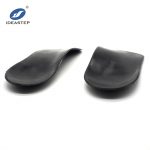
Orthopedic footwear and braces can play an important role in maintaining correction after casting or surgery. The appropriate device depends on the child’s foot alignment, treatment stage, and risk of recurrence.
Parents should consult an orthopedic specialist or qualified orthotist before purchasing corrective footwear. A professional can assess the child’s needs and recommend a suitable device. Regular follow-up allows the clinician to adjust the footwear or brace as the child grows.
Professional Orthopedic Services and Clinical Support
Specialized orthopedic services can support healthcare institutions in developing their diagnostic and treatment capabilities. Cooperation between clinical teams and orthopedic technology providers may help improve assessment, treatment planning, and outcome monitoring.
These services may include technical training, professional consultation, orthotic products, and support for treatment evaluation. Healthcare institutions can use these resources to strengthen their orthopedic services and provide patients with appropriate care.
Each patient requires an individualized treatment plan. Qualified healthcare professionals should determine the appropriate combination of corrective procedures, immobilization, rehabilitation, and orthopedic footwear.