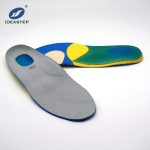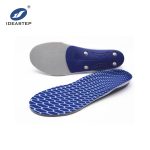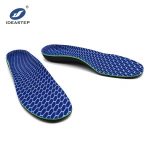
For wholesalers, distributors, and footwear brands, sourcing custom medical orthotic insoles requires more than selecting a ready-made product. Buyers need a supplier that can provide stable quality, flexible customization, and reliable production support.
Unlike standard comfort insoles, medical orthotic insoles focus on customized support structures, material combinations, and specific application requirements. When choosing a manufacturing partner, B2B buyers should consider product design capability, manufacturing experience, quality control, and OEM/ODM flexibility.
This guide outlines the key factors to consider when sourcing custom orthotic insoles from a manufacturer.
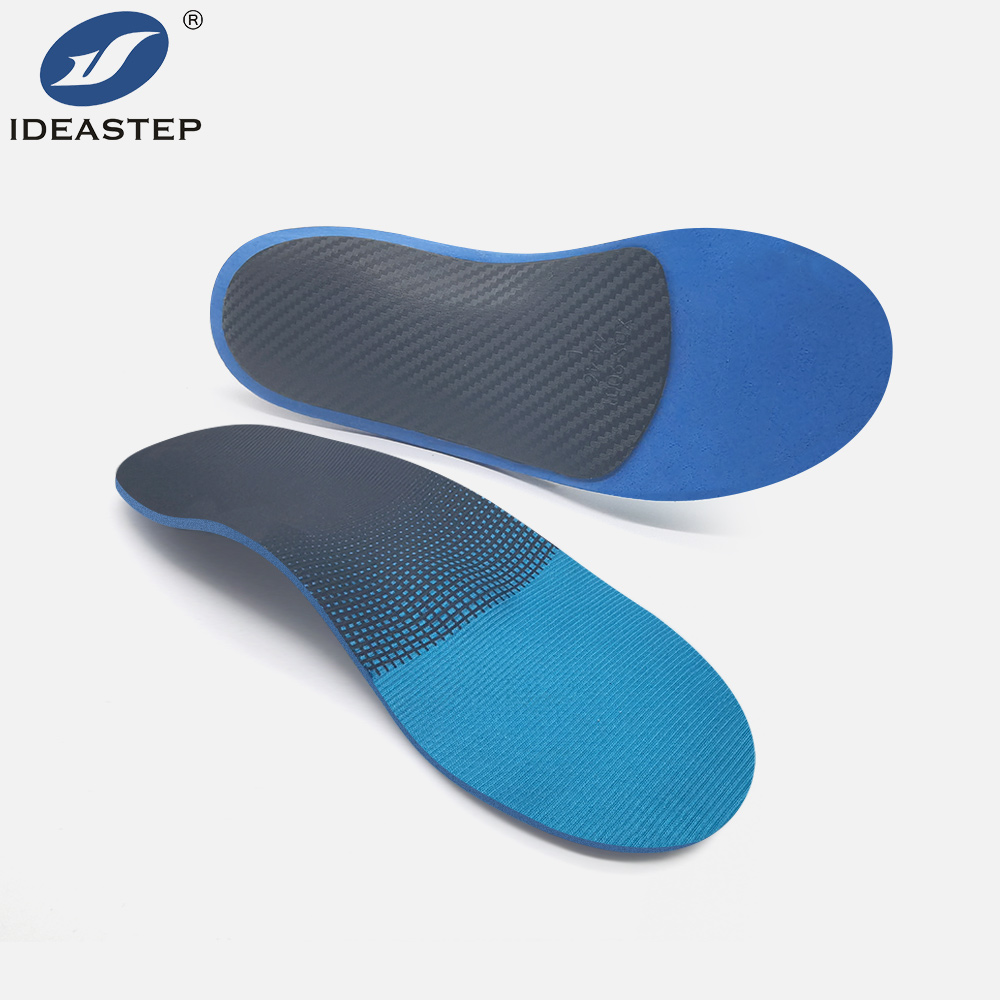
What Are Custom Medical Orthotic Insoles?
Custom medical orthotic insoles are designed to provide customized foot support based on different usage requirements, footwear types, and product applications.
Compared with standard insoles, they allow greater flexibility in:
- Arch support design
- Cushioning structure
- Material selection
- Hardness adjustment
- Size and shape customization
For distributors and brands, this flexibility helps create products suitable for different market segments, including medical footwear, rehabilitation products, sports footwear, and daily comfort footwear.
Key Features of Custom Orthotic Insoles
Customized Support Structure
The structure of an orthotic insole directly affects its support characteristics.
Depending on the application, manufacturers may adjust:
- Arch contour
- Heel stabilization
- Support layer hardness
- Forefoot cushioning
- Overall thickness
A well-designed insole balances support, comfort, and compatibility with different footwear.
Material Selection
Material combinations play an important role in product performance and positioning.
EVA Foam
EVA is widely used in orthotic insole manufacturing due to its lightweight design, cushioning properties, and flexible processing options.
Different EVA densities and hardness levels can be combined to create multi-layer structures with different support and cushioning zones.
TPU Support Components
TPU is commonly added to improve stability, shape retention, and controlled flexibility.
EVA and TPU combinations are often used for products that require both cushioning and structural support.
PU Foam and Top Covers
PU foam provides another cushioning option, while top-cover materials such as microfiber, mesh, and moisture-wicking fabrics improve surface comfort and product appearance.
For private-label products, these materials can also be customized according to brand requirements.
OEM & ODM Solutions for Orthotic Insole Brands
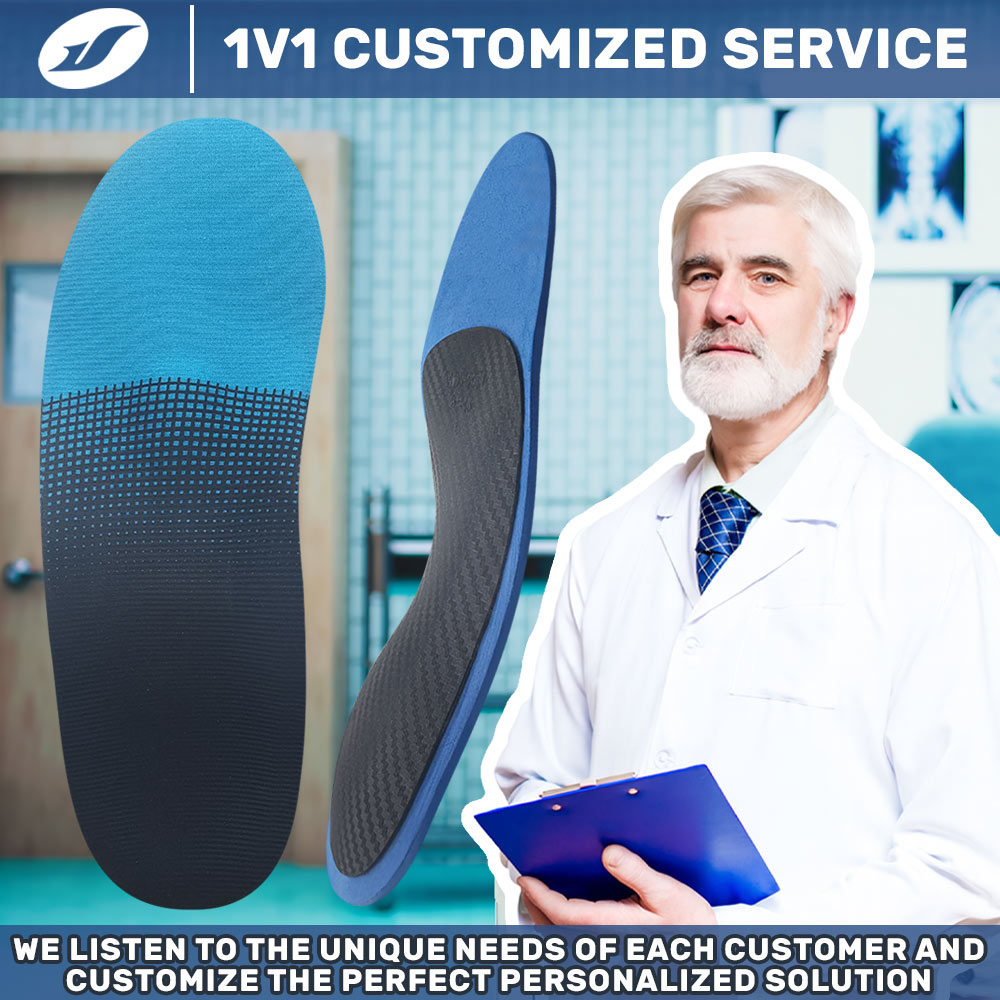
For B2B buyers, OEM and ODM capability is an important consideration when selecting an orthotic insoles manufacturer.
Depending on project requirements, manufacturers may support customization of:
- Insole shape
- Arch profile
- Material structure
- Hardness level
- Cushioning layers
- Top cover
- Logo
- Packaging
This allows distributors and footwear brands to develop products that match their target market instead of relying only on standard catalog items.
Custom Orthotic Insoles Manufacturing Process
A typical development process includes:
Product Requirement
The manufacturer reviews:
- Target application
- Support requirements
- Material preferences
- Size range
- Branding needs
Sample Development
Samples are produced for evaluation, allowing buyers to check:
- Product structure
- Material quality
- Comfort
- Fit
- Appearance
Bulk Production
After sample approval, production moves forward based on confirmed specifications.
Quality checks typically cover:
- Material consistency
- Product dimensions
- Bonding quality
- Finished product appearance
A clear production process helps maintain consistency for repeat wholesale orders.
How to Choose a Reliable Medical Orthotic Insoles Manufacturer?
When evaluating suppliers, B2B buyers should focus on several key areas.
Manufacturing Capability
Consider:
- Industry experience
- Production capacity
- Material knowledge
- OEM/ODM experience
- Product development ability
A supplier with strong technical experience can better support customized projects.
Quality Control
Consistent quality is essential for wholesale business.
Important quality checks include:
- Raw material inspection
- Production monitoring
- Dimension control
- Finished product inspection
MOQ and Lead Time
Before cooperation, confirm:
- Minimum order quantity
- Sample time
- Production lead time
- Packaging requirements
- Repeat order capability
These factors directly affect purchasing plans and supply stability.
Applications of Custom Medical Orthotic Insoles
Custom orthotic insoles are commonly used in:
- Medical footwear
- Rehabilitation products
- Sports footwear
- Work and safety footwear
- Daily comfort footwear
Different applications may require different support structures, materials, and production approaches.
Conclusion
Choosing the right custom medical orthotic insoles manufacturer requires evaluating product capability, customization options, production consistency, and supply reliability.
For wholesalers, distributors, and footwear brands, a suitable supplier should be able to provide not only finished products but also support in product development, material selection, OEM/ODM customization, and bulk manufacturing.
By working with an experienced manufacturing partner, businesses can develop reliable orthotic insole products that better match their target markets.
Looking for Custom Medical Orthotic Insoles Wholesale Solutions?
If you are sourcing wholesale orthotic insoles, private label products, or custom orthotic insoles OEM solutions, contact our team to discuss your product requirements, materials, customization options, and bulk production needs.
Related Reading:
Why Brands Choose Custom Heel & Arch Support Insoles for Foot Care Products
Good Shoe Insoles for Standing All Day: Design and OEM Solutions for Footwear Brands