
Understanding Heart Pad Insoles: A Practical Guide for Footwear Manufacturers
As comfort-driven footwear continues to shape market demand, functional insole components play an increasingly important role in product differentiation.
Heart pad insoles, also known as metatarsal pads, are widely used to improve forefoot support, enhance breathability, and optimize daily wearing comfort.
For B2B customers such as footwear brands, manufacturers, and OEM factories, understanding the structure and application of heart pad insoles is essential when developing ergonomic and sustainable footwear solutions.
What Are Heart Pad Insoles?
Heart pad insoles are designed to support the transverse arch of the foot and redistribute pressure away from the metatarsal heads.
Their characteristic heart-shaped structure gently lifts the forefoot, helping to reduce localized stress while maintaining a natural walking experience.
Unlike full-length orthopedic insoles, heart pad insoles focus on targeted support and are commonly integrated into daily footwear rather than clinical products.
Core Benefits of Heart Pad Insoles
Heart pad insoles offer several functional advantages for everyday footwear applications:
-
Improved transverse arch support for better forefoot balance
-
Enhanced comfort during walking and standing
-
Reduced pressure concentration under the metatarsal area
-
Lightweight structure suitable for daily shoe designs
-
Compatibility with breathable and eco-friendly materials
These benefits make heart pad insoles especially suitable for casual shoes, lifestyle footwear, and comfort-oriented collections.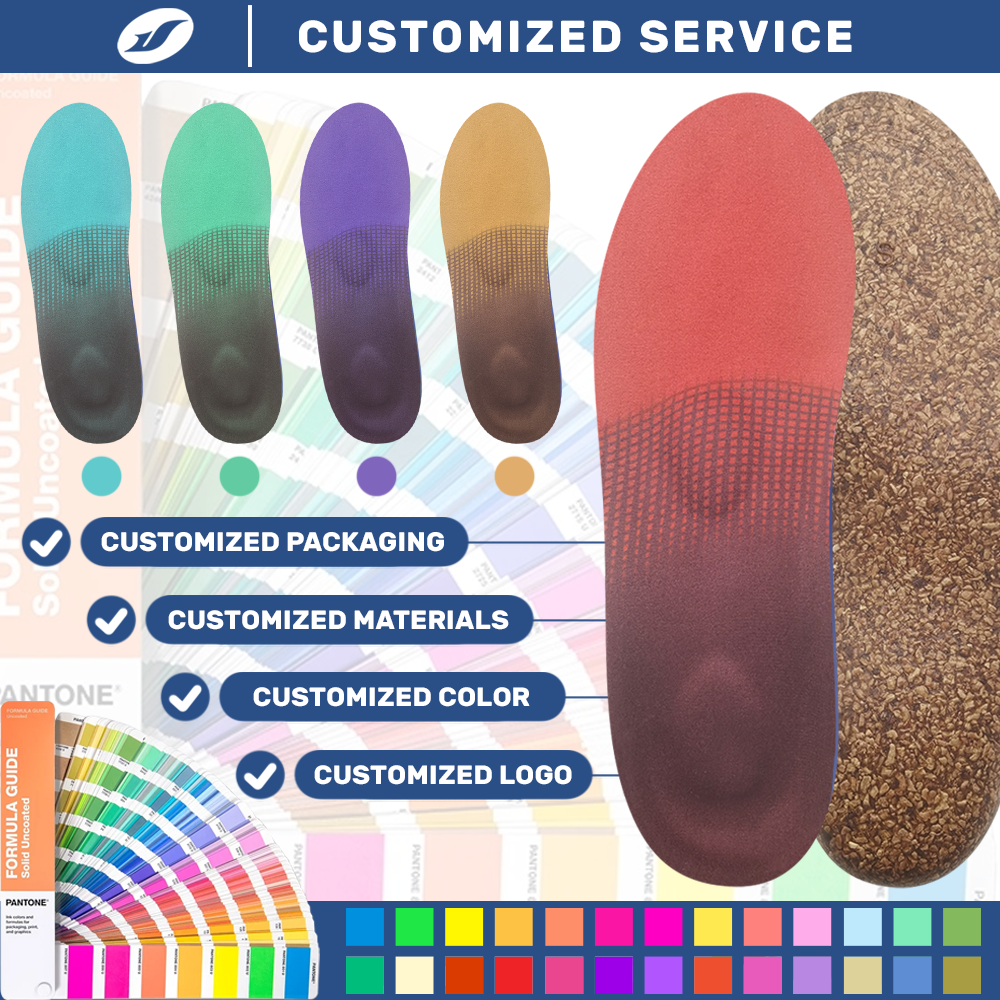
Materials Commonly Used in Heart Pad Insoles
Modern heart pad insoles combine support, flexibility, and breathability through layered material construction.
A typical structure may include:
-
Cork – Provides natural support, durability, and eco-friendly properties
-
Textile or fabric top layer – Enhances breathability and surface comfort
-
PP support component – Adds structural stability and shape control
-
EVA cushioning layer – Offers lightweight shock absorption
-
Latex core pad – Improves elasticity and pressure relief
This combination allows heart pad insoles to maintain comfort while supporting long-term daily use.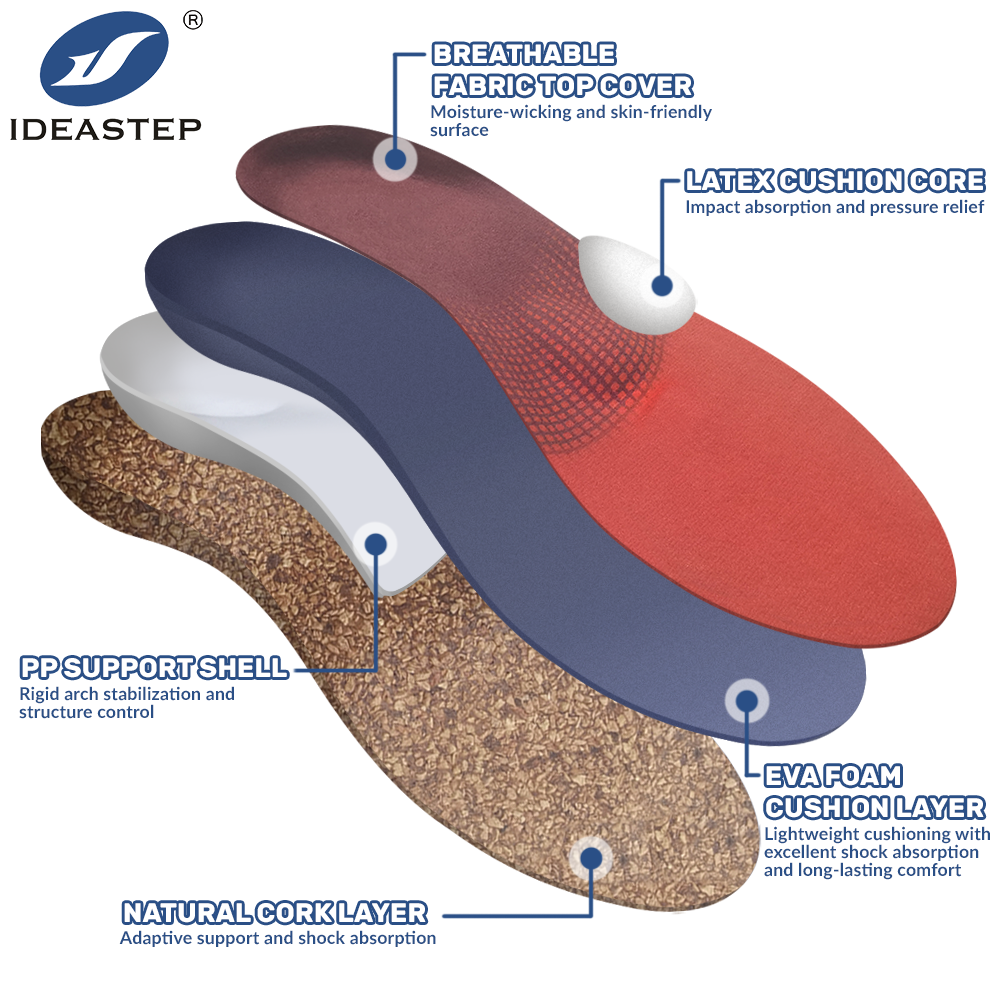
Product Example: XD-6113 Heart Pad Insole
A representative example of this structure is XD-6113, a daily-use heart pad insole designed for breathable and environmentally conscious footwear.
XD-6113 features a layered construction of cork, fabric surface material, PP support elements, EVA cushioning, and a latex pad core.
This design balances flexibility and support while maintaining good airflow, making it suitable for everyday footwear applications.
As a non-medical, daily insole solution, XD-6113 is well-suited for brands seeking eco-friendly and comfort-oriented components without adding excessive thickness or rigidity.
Applications for Footwear Brands and Manufacturers
Heart pad insoles are widely used across various footwear categories:
| Footwear Type | Functional Focus | B2B Application |
|---|---|---|
| Casual shoes | Daily comfort & breathability | Lifestyle brands |
| Walking shoes | Forefoot pressure distribution | Comfort footwear manufacturers |
| Eco-friendly footwear | Natural materials & airflow | Sustainable brands |
| Daily work shoes | Long-hour wear comfort | OEM factories |
By integrating heart pad insoles into daily footwear, brands can enhance comfort perception while maintaining simple shoe structures.
OEM and B2B Customization Potential
For B2B clients, heart pad insoles offer flexible OEM integration options:
-
Adjustable thickness and density
-
Custom cork or EVA formulations
-
Fabric surface material selection
-
Private label and packaging support
-
Scalable production for bulk orders
Products like XD-6113 allow manufacturers to incorporate functional support components without extensive mold redevelopment.
Conclusion
Heart pad insoles are practical, comfort-oriented components designed to enhance forefoot support in daily footwear.
With breathable structures, eco-friendly materials, and flexible OEM potential, they serve as an effective solution for footwear brands targeting everyday comfort markets.
For manufacturers and brands, heart pad insoles provide a balance between ergonomic function, sustainability, and scalable production—making them a valuable addition to modern footwear design.