In recent years, the functional insole industry has shifted in a very practical direction. Instead of simply asking for “comfortable insoles,” more buyers are now focused on whether a product can provide stable arch support, long-term durability, and consistent performance in mass production.
In real OEM/ODM projects, especially for footwear brands, sports brands, and e-commerce sellers, we see a clear trend: product stability and structural design are becoming more important than material choice alone.
High-quality custom orthopedic shoe inserts are no longer just a comfort accessory. They are now a performance-driven product category used across medical support, sports protection, and daily foot health applications.
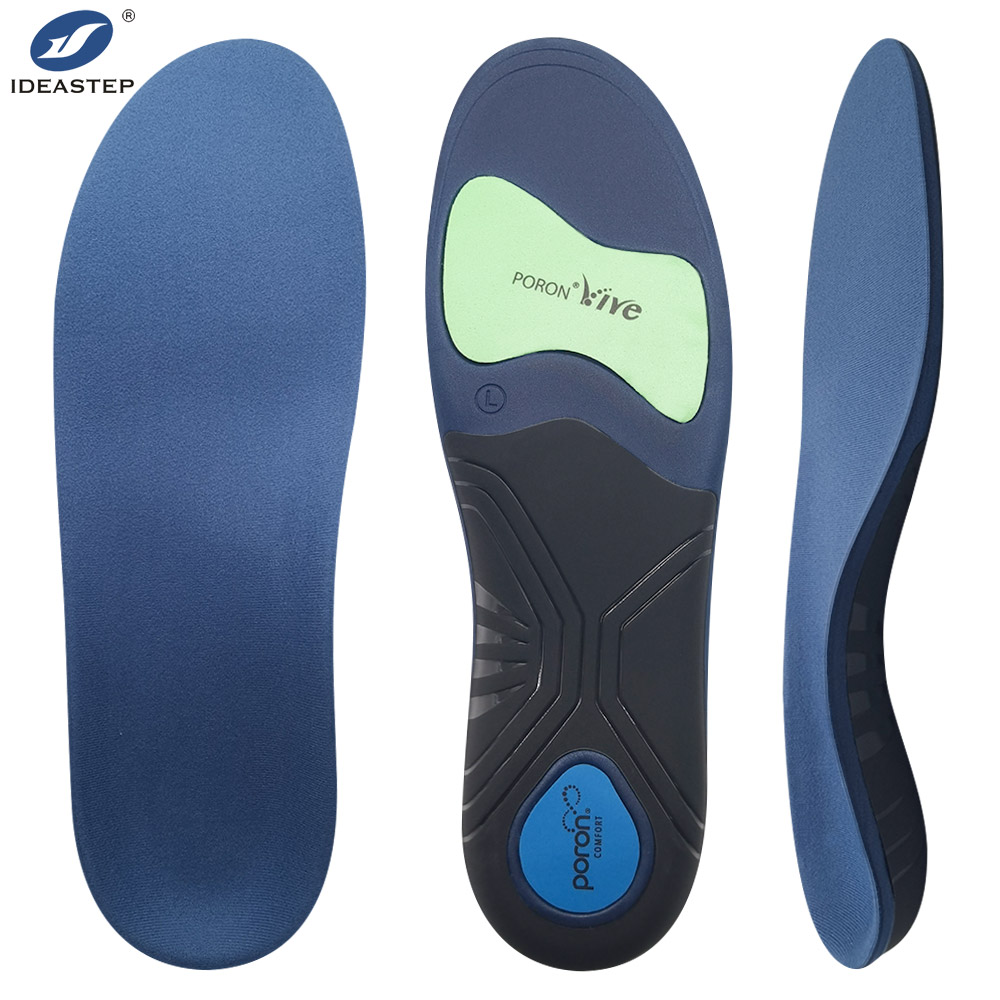
Why High-Quality Orthopedic Shoe Inserts Make a Real Difference
From a manufacturing perspective, the difference between a high-quality insole and a low-quality one is often not obvious at first glance. However, after a few weeks of real use, performance gaps become very clear.
The most common issue we see in low-end products is not softness or hardness—it is structural collapse. Once the arch support loses stability, the entire functional value of the insole decreases.
Key performance expectations from buyers:
- Stable arch support during long-term use
- Pressure distribution under dynamic movement
- Consistent cushioning performance
- Durability under daily or sports conditions
In bulk orders, consistency is even more important than individual performance, because a small variation between batches can directly affect brand reputation.
What Actually Defines a High-Quality Custom Orthopedic Insole?
1. Material Selection Is Only the Starting Point
Many buyers initially focus on materials like EVA or PU, but in real production experience, material alone does not determine product quality.
We have seen cases where the same EVA material performs very differently depending on density control and structural design.
- EVA: lightweight and cost-efficient, widely used in mass-market products
- PU: better rebound stability, suitable for mid-to-high-end insoles
- Memory Foam: comfort-focused applications with pressure relief
- TPU Support Structures: used to enhance midfoot stability
- Carbon Fiber Inserts: used in high-performance sports or corrective designs
2. Biomechanical Structure Design Matters More Than Expected
In OEM projects, one of the most underestimated factors is structural engineering.
For example, two insoles with the same material and thickness can perform completely differently depending on how the arch support is designed.
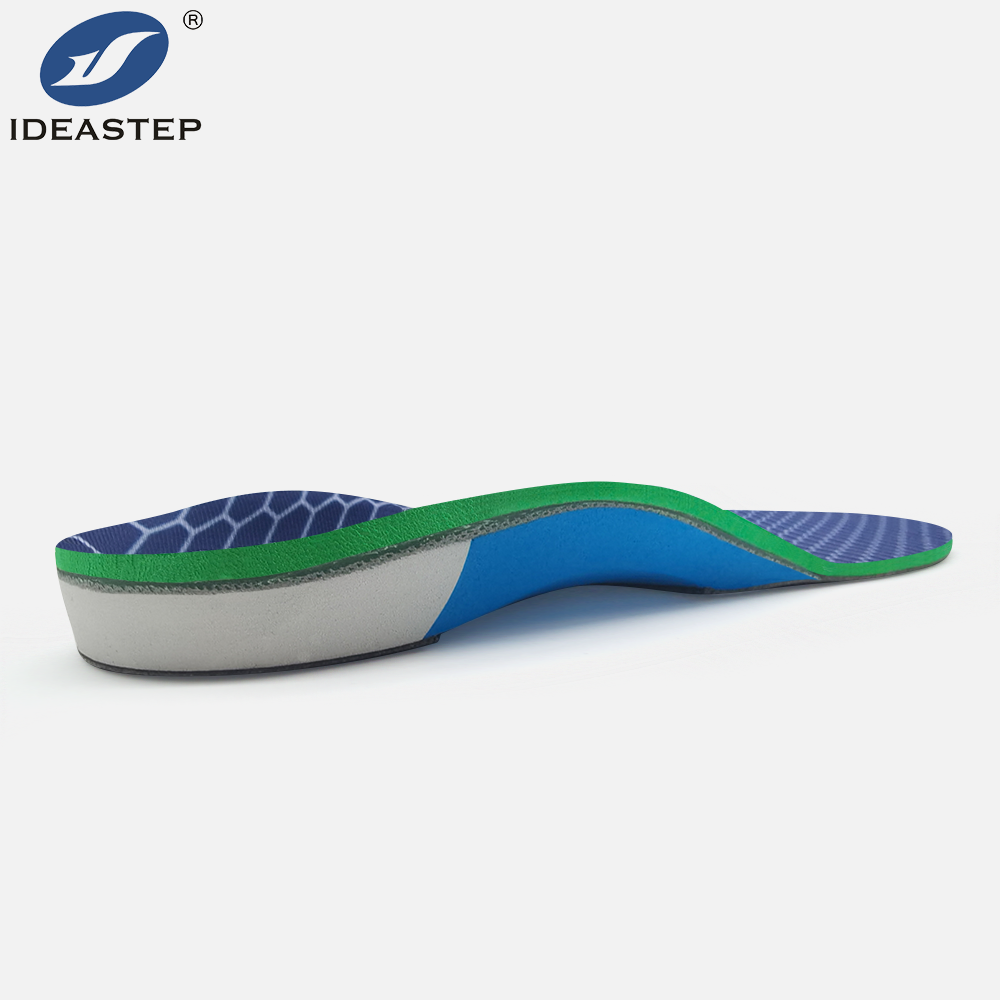
A well-designed orthopedic insole should consider:
- Arch support positioning
- Heel stabilization structure
- Forefoot pressure relief zones
- Load distribution during movement
In practice, sports users and standing workers require very different support strategies, even if they are using the same product category.
3. Durability Testing for Bulk Production
For bulk orders, durability is not a theoretical concept—it directly affects return rates and customer feedback.
In real production control, we usually focus on:
- Compression resistance testing
- Repeated bending fatigue tests
- Long-term wear simulation
- Adhesion and layer stability checks
Small inconsistencies in production often become visible only after mass distribution, which is why process control is critical.
Market Applications of Custom Orthopedic Shoe Inserts
Medical and Rehabilitation Use
- Podiatry clinics
- Orthopedic suppliers
- Post-injury recovery support
Sports and Outdoor Performance
- Running shoes
- Hiking footwear
- Training and fitness applications
Retail and E-Commerce Brands
- Amazon and online sellers
- DTC footwear brands
- Private label distributors
How Custom Orthopedic Insoles Are Developed in Real OEM Projects
Step 1: Understanding Real User Needs
Before any design work starts, the most important step is understanding how the product will actually be used.
For example, standing workers usually need long-term pressure relief, while runners prioritize dynamic stability and impact absorption.
Step 2: Structure Design and Material Matching
At this stage, engineering teams focus on balancing comfort, support, and cost efficiency.
In many projects, the first prototype often looks good on paper but requires adjustment after real wear testing.
A common situation we see is that early samples feel comfortable initially but lose support after continuous use, which leads to redesign of midfoot reinforcement.
Step 3: Prototype Testing and Iteration
One typical case involved a hiking brand requiring both lightweight design and long-distance support.
During field testing, users reported midfoot fatigue after extended use. The issue was not cushioning, but structural fatigue under continuous load.
After reinforcing the midfoot support layer and adjusting heel cushioning distribution, the final version achieved a better balance between comfort and stability.
This type of adjustment is very common in real OEM development cycles.
Step 4: Mass Production and Consistency Control
For bulk orders, production consistency is often more important than single-unit performance.
A standard production workflow includes:
- Raw material inspection
- Molding and forming
- Layer lamination
- Precision cutting
- Assembly and shaping
- Final inspection
- Packaging and shipment
Common Challenges in Bulk Orthopedic Insole Orders
Balancing Cost and Performance
One of the most frequent challenges is achieving the right balance between material cost and functional performance.
Ensuring Batch Consistency
Even small variations in density or molding temperature can affect final performance in large-scale production.
Meeting International Compliance Requirements
- REACH compliance
- RoHS standards
- Material safety requirements for different markets
Why Experience Matters More Than Specifications
In orthopedic insole manufacturing, specifications alone do not guarantee performance.
Real product quality comes from repeated project experience, material adjustment, and structural optimization under real-world conditions.
Over years of OEM/ODM cooperation across different markets, Ideastep has developed a structured approach covering product development, prototyping, production control, and quality management, supporting bulk orders for global clients.
Conclusion: Choosing the Right Partner for Bulk Orders
High-quality custom orthopedic shoe inserts are not just about materials or design—they are the result of engineering experience, production stability, and continuous product refinement.
For brands and distributors, the key is not only finding a supplier, but finding a manufacturing partner who understands how products perform in real-world use.
In bulk production, small technical decisions often determine long-term market success. That is why experience in OEM/ODM development plays a more important role than any single specification.
Learn more about orthotic insoles here:Custom Orthotics Insoles