For orthopaedic footwear manufacturers and bespoke shoemakers, selecting the correct orthopaedic insole thickness is one of the most overlooked yet critical details in production. Many finished orthotic shoes fail to deliver comfort or proper support simply because the insole thickness does not match the shoe cavity volume, toe box height, or shoe style.
Too thick, and the shoe becomes tight, cramped, and uncomfortable for daily wear. Too thin, and the insole loses corrective strength, arch support, and long-term durability. This practical guide breaks down how to pick the ideal orthopaedic insole thickness for all common shoe types, helping UK and European footwear producers achieve better fitting, higher-quality orthopaedic footwear.
Why Insole Thickness Matters for Orthopaedic Footwear
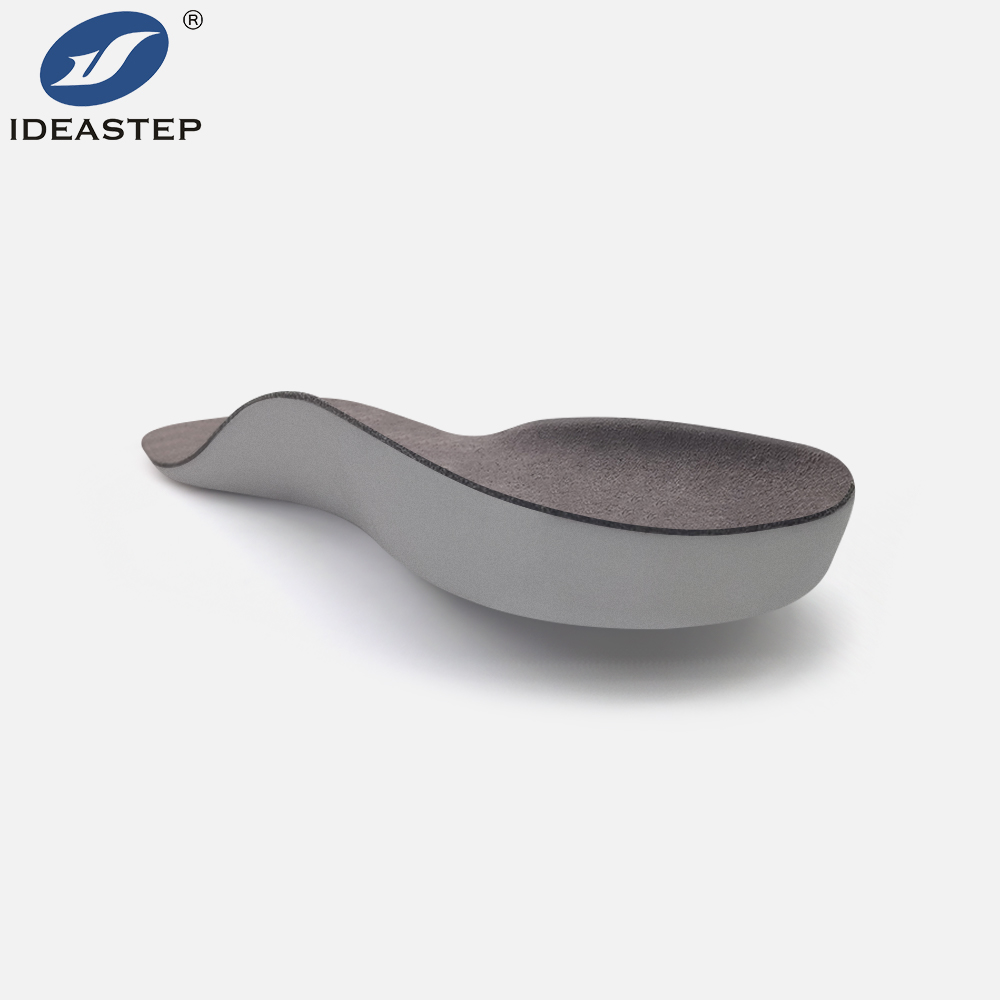
Unlike regular comfort insoles, medical and custom orthopaedic insoles rely on precise thickness grading to maintain biomechanical performance. Insole thickness directly impacts arch height, heel depth, foot posture correction, and the overall internal fit of the shoe.
Professional orthotic insoles are engineered with specific thickness tolerances to ensure stable support without squeezing the foot. When manufacturers mismatch thickness and shoe type, customers often experience cramped toes, heel lift, instep pressure, or reduced walking stability — all common causes of product returns and poor reviews.
Standard Orthopaedic Insole Thickness Ranges (Industry Benchmark)
In professional footwear component manufacturing, orthopaedic insoles are generally divided into three standard thickness categories. Each range serves distinct shoe styles and functional purposes:
- Thin (1.5mm – 2.5mm): Slim-fit, low-profile, formal, and tight-fitting shoes
- Medium (3mm – 5mm): Universal daily orthopaedic shoes, most casual supportive footwear
- Thick (6mm – 8mm+): Medical corrective shoes, rehabilitation footwear, work boots
Best Insole Thickness for Common Shoe Types
1. Formal Leather Shoes & Dress Orthopaedic Shoes (1.5mm – 2.5mm)
2. Daily Casual Orthopaedic Shoes (3mm – 5mm)
Standard daily orthopaedic sneakers, walking shoes, and casual supportive footwear have moderate internal space, making them compatible with medium-thickness composite insoles. This thickness balances cushioning and structural support perfectly for regular users with mild flat feet, arch fatigue, and slight overpronation.
Medium-thickness orthotic insoles are the most versatile option for mass production. They fit most unisex shoe lasts, offer consistent shock absorption, and avoid the cramped feeling caused by thicker alternatives. Most wholesale orthopaedic insole bulk orders for general lines choose this thickness range.
3. Medical & Rehabilitation Orthopaedic Shoes (6mm – 8mm)
Therapeutic medical shoes, post-surgical rehabilitation footwear, and severe flat foot correction shoes require maximum support and pressure dispersion. Thick orthopaedic insoles with reinforced arch and metatarsal padding deliver stronger correction and better foot stabilisation.
Medical shoe designs reserve higher internal volume specifically for thick supportive inserts, so there is no fitting issue. For manufacturers producing clinical-grade orthopaedic footwear, thicker composite insoles ensure long-term therapeutic effects and meet European medical footwear standards.
4. Safety Work Boots & Industrial Support Shoes (5mm – 7mm)
Workers who stand for long hours need enhanced cushioning and heel protection. Safety boots and industrial supportive shoes have high toe boxes and spacious inner structures, allowing thicker shock-absorbing orthopaedic insoles to fit comfortably.
A medium-to-thick insole reduces foot fatigue, absorbs ground impact, and protects the arch from chronic strain — an essential upgrade for occupational orthopaedic footwear lines.
Key Factors to Adjust Insole Thickness in Production
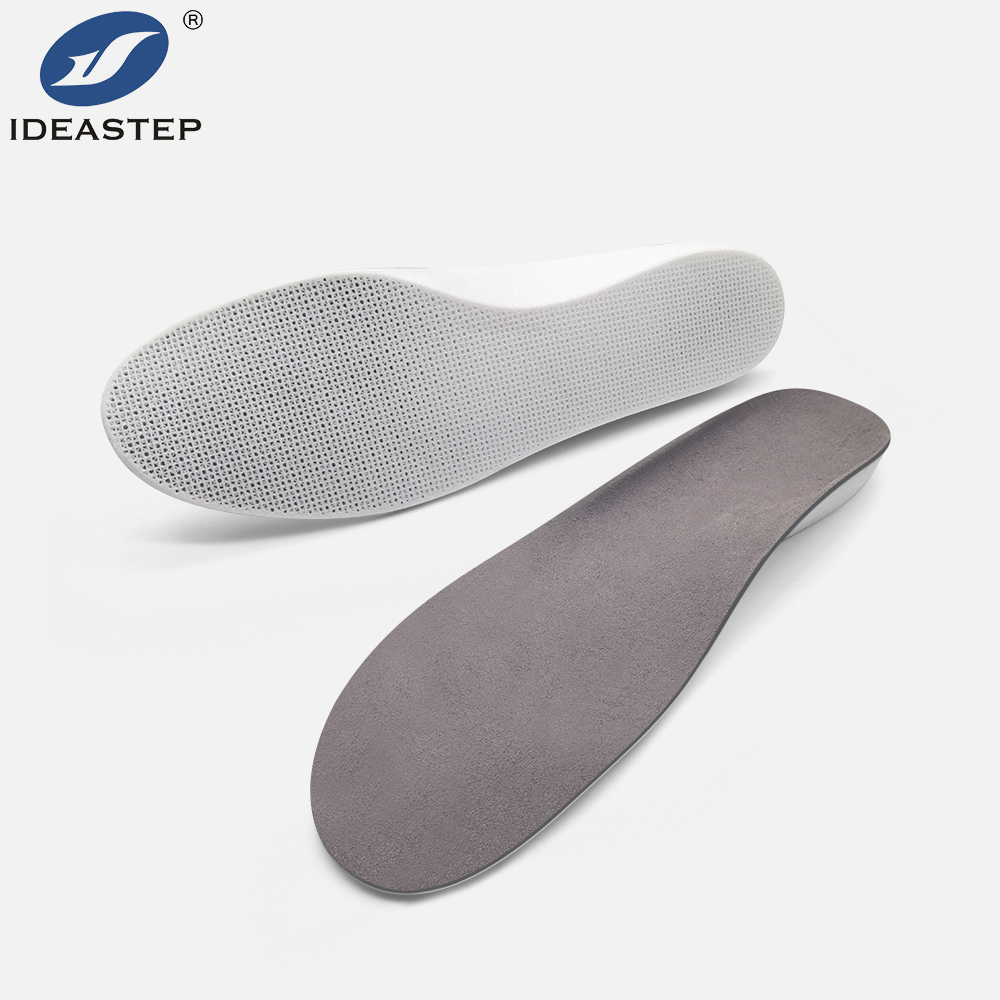
Besides shoe type, professional shoemakers also adjust thickness based on target user groups:
- Young & active users: Medium thickness for flexible support
- Severe foot conditions: Max thickness with reinforced arch support
- Custom slim footwear: Ultra-thin rigid base insoles
Sourcing Tips for Custom Orthopaedic Insole Thickness
When purchasing wholesale orthopaedic insoles, partnering with suppliers that offer custom thickness grading is critical. Many generic insoles only provide fixed thickness, limiting your product diversity.
Reliable footwear component manufacturers support precise thickness customisation, layered structure adjustment, and local reinforcement. This allows your factory to produce targeted orthopaedic shoes for different markets, from premium formal custom lines to professional medical rehabilitation series.
Low MOQ custom cutting and thickness modification also helps small workshops launch differentiated products without high inventory risks.
Final Thoughts
Choosing the right orthopaedic insole thickness is a simple but powerful way to improve finished shoe quality, user comfort, and product reputation. Matching thin insoles for formal shoes, medium thickness for daily lines, and thick reinforced insoles for medical footwear ensures every pair of orthopaedic shoes performs as intended.
If you are looking for wholesale orthopaedic insoles with customizable thickness, professional layered structures, and stable batch quality for your footwear production, our OEM and bulk supply services can fully meet your manufacturing requirements.
Related Reading:
Heel & Arch Support Insoles Manufacturer for Custom Orthotic Solutions
Severe Flat Feet Orthotic Insoles: A Higher-Support Option for Orthotic Product Lines