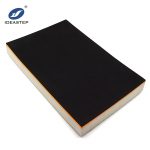
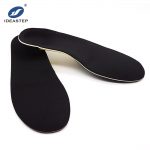
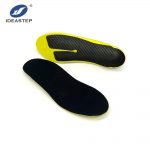
Lateral wedge insoles are used in orthotic products designed around specific biomechanical requirements. For orthotic brands and footwear manufacturers, developing these products involves more than selecting a wedge angle. Material properties, overall dimensions, footwear compatibility, and production consistency all need to be considered before moving to bulk manufacturing.
A clear development process helps buyers turn initial design requirements into specifications that can be evaluated, sampled, and reproduced at scale.

What Are Lateral Wedge Insoles?
Lateral wedge insoles feature a sloped profile that raises the outer side of the foot relative to the inner side. Their geometry can vary according to the intended application, footwear design, and product specifications.
Orthotic brands may include lateral wedge designs in product ranges for specialized footwear, orthotic applications, or professional foot-care markets. The required shape and degree of correction should be defined according to the product brief and, where applicable, guidance from qualified healthcare professionals.
Key Design Specifications for Custom Lateral Wedge Insoles
Before sampling begins, buyers and manufacturers should establish a clear set of technical requirements. These details help reduce unnecessary revisions and provide a consistent reference for production.
Wedge Angle and Height Difference
The wedge angle and height difference affect the insole’s overall geometry. Buyers should specify the intended angle or provide a technical drawing that shows the required profile. If the design is based on a reference sample, its dimensions should be measured and documented before production development.
Thickness and Overall Dimensions
Total thickness, length, width, and heel-to-forefoot transitions should match the intended product design. If a range covers multiple sizes, the manufacturer and buyer should agree on how dimensions will change across the size range.
Footwear Compatibility
The insole must fit the target footwear without creating unwanted pressure points or excessive movement. Buyers should identify the intended shoe type, available internal volume, and any restrictions around the heel, arch, or forefoot area.
Surface and Layer Construction
The top cover, cushioning layer, and supporting components influence the product’s structure and finish. A single-material design may suit some applications, while a multilayer construction can provide different combinations of cushioning, support, and surface properties.
Material Selection for Lateral Wedge Insoles
Material selection should reflect the required structure, intended use, manufacturing process, and target cost. The best option depends on the complete design rather than a single material characteristic.
EVA Foam
EVA foam is commonly used in insole manufacturing because it is available in different densities, hardness levels, and thicknesses. It can be shaped to meet specified wedge profiles and is suitable for various custom insole constructions.
PU Foam
PU foam can be considered when cushioning properties and material feel are important to the product brief. Buyers should evaluate its density, resilience, thickness, and compatibility with other layers before confirming the construction.
TPU Components
TPU components may be incorporated when a design calls for a defined structural element or a specific combination of flexibility and support. Their placement and dimensions should be confirmed during the design review and sample evaluation stages.
Top Covers and Multilayer Construction
Fabric, microfiber, and other cover materials can be selected according to appearance, surface feel, and product requirements. For multilayer designs, the bonding method and compatibility between materials should be assessed during sampling to reduce the risk of separation during use.
From Design Specifications to Bulk Production
A structured development process helps ensure that the approved sample can be translated into repeatable manufacturing instructions.
Technical Review
The process begins with a review of drawings, reference samples, dimensions, materials, and target applications. Any missing information or potential manufacturing limitations should be discussed before tooling or sample development proceeds.
Sample Development and Approval
Samples allow buyers to evaluate the wedge profile, dimensions, material combination, finish, and footwear fit. Feedback should be recorded clearly, and any required changes should be incorporated into the revised specifications before approval.
Production Preparation
After sample approval, the confirmed design should be documented for manufacturing. This includes the material specifications, dimensional tolerances, construction details, and any agreed packaging or labeling requirements.
Quality Control
Quality checks should focus on the characteristics that affect product consistency. Depending on the design, these may include wedge height, overall dimensions, material hardness, bonding quality, surface finish, and conformity to the approved sample.
OEM and ODM Solutions for Orthotic Brands
OEM Manufacturing
This production model suits brands with established product specifications. Buyers typically provide technical drawings or reference samples, along with material requirements, dimensions, and packaging details.
After reviewing manufacturing feasibility, the supplier prepares samples for evaluation. Once approved, bulk production follows the confirmed specifications to help maintain consistency across orders.
ODM Product Development
ODM projects often begin with an initial concept rather than a finalized technical drawing. Depending on the agreed scope, development support may cover material selection, structural adjustments, prototype production, and manufacturing feasibility reviews.
Before development begins, both parties should confirm design responsibilities, tooling arrangements, revision procedures, target costs, and approval requirements. This agreement provides a clear framework for product development and scheduling.
Branding and Packaging
Custom production may include logo printing, labels, packaging, and product identification. For projects involving multiple sizes or material combinations, each SKU should be clearly defined, and all artwork should be approved before production.
How to Evaluate a Lateral Wedge Insole Manufacturer
When comparing suppliers, buyers should look beyond the initial quotation. Technical communication, material options, sampling procedures, and production controls all affect the development process and the reliability of bulk orders.
- Material capabilities: Check whether the supplier can provide the required foam types, densities, thicknesses, and layer combinations.
- Design and manufacturing processes: Confirm that the supplier can produce the specified wedge geometry and maintain the required dimensions.
- Sample approval procedures: Establish how samples are reviewed, revised, and approved before production.
- Quality control: Ask how materials, dimensions, bonding, and finished products are checked against agreed specifications.
- MOQ and lead time: Confirm minimum order quantities, sample lead times, production schedules, and packaging requirements before placing an order.
Information to Include in an RFQ
A detailed request for quotation helps manufacturers assess the project and prepare a more relevant proposal. Buyers should provide the following information wherever possible:
- Product drawings or reference samples
- Required wedge angle, height difference, and dimensions
- Material type, density, hardness, and thickness
- Top cover and multilayer construction requirements
- Target footwear type and size range
- Estimated order quantity and expected reorder volume
- Branding, labeling, and packaging specifications
- Required sample date and target production schedule
If some specifications are not yet finalized, buyers can identify the open items and discuss feasible options with the manufacturer before confirming the design.
Frequently Asked Questions
Can lateral wedge insoles be produced in different sizes?
Yes. A size range can be developed according to the agreed design and dimensional requirements. Buyers should confirm how the wedge profile and overall dimensions will be maintained across different sizes.
Which materials are suitable for custom lateral wedge insoles?
EVA foam, PU foam, and selected TPU components may be used, depending on the required structure and product specifications. Material selection should be confirmed through technical review and sample evaluation.
What is the difference between OEM and ODM production?
OEM production generally follows specifications supplied by the buyer. ODM development may include additional support with material selection, structural design, and prototype development. The exact responsibilities should be agreed upon before work begins.
What information is needed to start a custom project?
Technical drawings or reference samples, dimensions, material preferences, intended footwear type, order quantity, and packaging requirements provide a useful starting point. A manufacturer can then review feasibility and identify any details that need clarification.
Develop Your Custom Lateral Wedge Insole Project
Successful lateral wedge insole development depends on clear specifications, suitable materials, reliable sampling, and consistent production controls. For orthotic brands and footwear manufacturers, defining these requirements early can help streamline development and prepare the product for bulk supply.
Contact the Ideastep team to discuss your lateral wedge insole specifications, material requirements, and manufacturing needs.
Related Reading:
Lateral Wedge Insoles in 3°, 4° and 5° for Orthotic Applications
What are the effects of lateral wedge insoles?