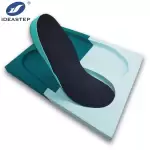
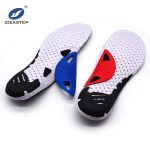
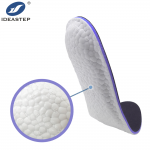
Medical orthotic insoles operate under far stricter standards than regular arch-support inserts. When clinic distributors, footwear brands and foot care partners bring these products to market, they need to navigate regulatory classification, consistent biomechanical performance, biocompatible materials and reliable batch-to-batch quality. Many custom projects hit delays early on because specifications are loosely defined, or manufacturers lack hands-on experience with medical product development. Below we share a complete customization project we delivered for an overseas B2B client, walking through our full OEM workflow for medical orthotic insoles.

Project Background & Client Requirements
Our client is a distributor supplying podiatry clinics across North America. They wanted to launch prescription-ready orthotic insoles for patients living with flat feet and plantar heel pain. The insoles needed to integrate seamlessly with the 3D foot scanning equipment already in use at their partner clinics.
They set non-negotiable ground rules: raw materials had to meet medical safety standards with minimal skin irritation, the design needed targeted pressure relief and structured arch support. They also required small-batch trial manufacturing, plus custom branding and packaging that follows local medical labelling requirements.
The biggest challenge for this project was tuning support stiffness. If the insole was too rigid, patients would struggle to wear it day-to-day. Too soft, and it would fail to deliver the biomechanical correction required for clinical use. Every finished unit also needed supporting test documentation for clinic sales.
Custom Development Solution Design
We began with 3D foot scan modelling, capturing both weight-bearing and non-weight-bearing foot geometry. Working with both datasets lets us build orthotics that perform as intended while users stand and walk, rather than only matching static foot shapes.
Our engineering team selected medical-grade base material paired with an antibacterial, skin-safe top cover. We used a multi-layer composite build. The design incorporated a deep heel cup to stabilise the calcaneus and metatarsal pads to redistribute forefoot pressure, all calibrated to meet accepted clinical biomechanical benchmarks.
Before moving into sampling, our compliance team clarified product classification and outlined all performance and safety tests needed for their target market.
Sample Iteration and Performance Testing
We milled the first prototype from validated 3D foot models using CNC machining. The prototype then went through a full test sequence: biomechanical support assessment, compression fatigue testing and skin-contact safety evaluation.
We shared all test results with the client’s podiatry advisors. Their feedback on arch height and support firmness guided changes for the second sample round. After revisions, the final golden sample passed every required test. We compiled the complete test report for joint review and final sign-off from the client.
Mass Production and Quality Control
Once the golden sample was approved, our production team refined manufacturing processes to preserve consistent geometry across batches. Consistency is critical for medical orthotics; even small shifts in shape can alter therapeutic performance.
We implemented incoming raw material checks and random finished-goods sampling during every production run. Custom printed packaging and branded labels were produced in line with medical labelling rules. Once their trial batch passed inspection, we set up flexible production scheduling to accommodate repeat orders.
Project Outcomes and Client Benefits
The finished medical orthotic insoles launched successfully across their network of podiatry clinics. Reliable biomechanical performance helped cut down patient complaints at the clinic level.
This project also created a reusable library of 3D foot models. When the client expands into additional foot profiles down the line, new product development timelines will shorten significantly. After strong trial sales, the client placed follow-up bulk orders to keep their clinic supply chain stocked.
Key Takeaways for Buyers Sourcing Medical Orthotic Insoles
Confirm your product’s regulatory classification at the very start of any medical orthotic project. This decision shapes your testing budget, required documentation and entire market entry strategy.
High-quality 3D foot scan data directly impacts how well your final orthotic delivers therapeutic correction. Your manufacturer must have access to medical-grade material suppliers and in-house biomechanical testing capability. Always build enough time for sample revisions before locking in mass production, so you avoid costly quality issues at scale.
Frequently Asked Questions
What certifications do medical orthotic insoles require for EU / US markets?
Certification requirements depend on how you classify your product in your target region. Our factory can provide manufacturing test reports and material certificates. We recommend buyers work with local regulatory specialists or importers to confirm exact compliance obligations before launch.
Can you customise orthotic insoles based on our clients’ 3D foot scan files?
Yes. Our engineering team accepts standard 3D scan file formats. We review your scan data, validate model quality and adjust biomechanical structure before prototype milling.
Is small batch production available for medical orthotic insole projects?
We offer small trial batches for qualified medical orthotic projects. Trial production gives you a chance to validate product performance, packaging and documentation before scaling to larger orders. Get in touch with our team to discuss MOQ flexibility for your custom design.
Start Your Medical Orthotic Insoles Custom Project
Building medical orthotic insoles calls for solid engineering, strict quality controls and deep regulatory awareness. Our team has years of hands-on OEM and ODM experience customising orthotics for foot clinics and medical distributors.
If you’re developing a new medical orthotic insole line and already have 3D scan files, technical drawings or project specs ready, reach out to our engineering team. We’ll carry out a full project review, go through your requirements, and put together a custom sample plan and quotation for your business.
Related Post: How to Source Custom Medical Orthotic Insoles in Bulk.