Introduction: Comfort vs Structure in Modern Insole Design
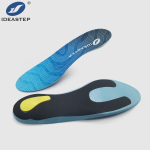
Memory foam insoles with arch support are commonly positioned as comfort-focused solutions for people who spend long hours standing or walking. However, from an orthotic manufacturing perspective, it is important to distinguish between short-term comfort and long-term structural support.
In practice, memory foam mainly enhances pressure perception and initial comfort, while arch support provides the actual biomechanical control needed to stabilize the foot under load.
What Are Memory Foam Insoles with Arch Support?
Memory foam is a slow-recovery material that responds to body heat and pressure by conforming to the shape of the foot. This creates a soft, customized contact surface that helps reduce localized pressure points.
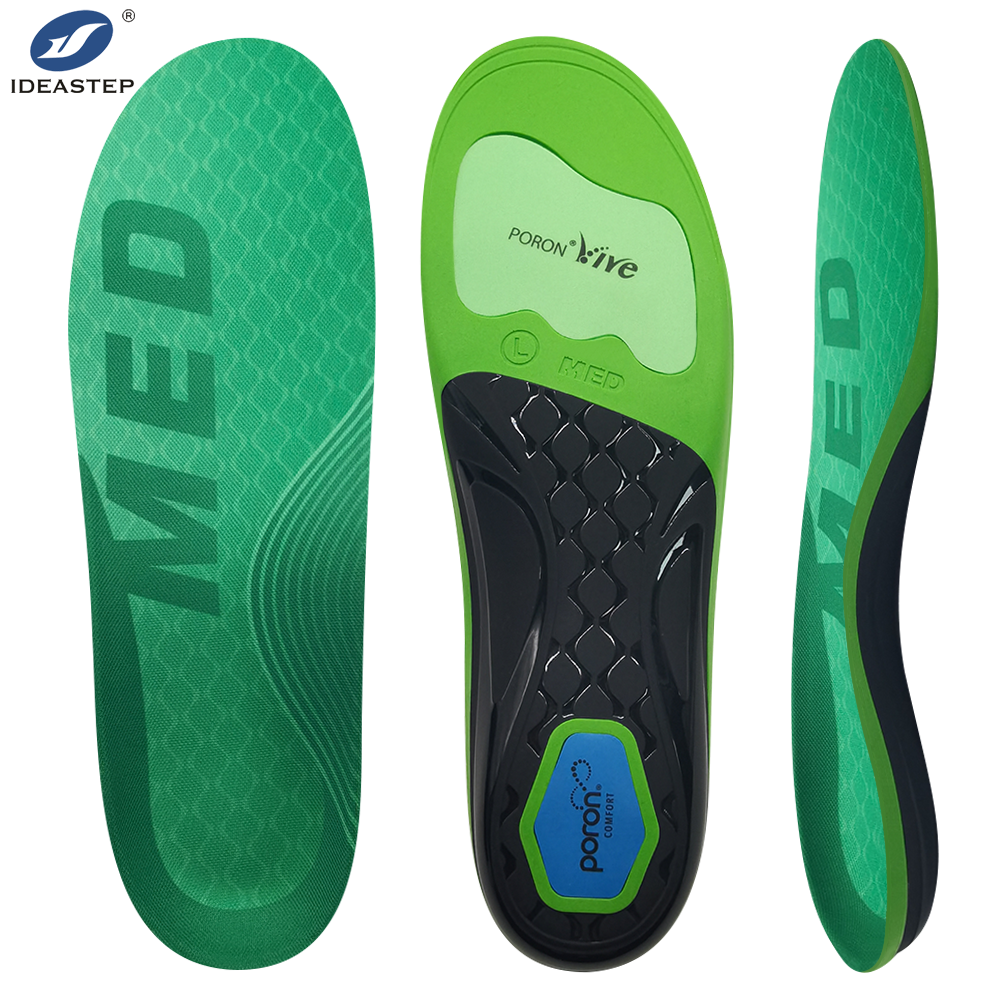
When combined with arch support, the insole becomes a hybrid structure: one layer focuses on comfort, while the other focuses on maintaining foot alignment during walking or standing.
In most OEM and ODM designs, memory foam is not used as a structural element. Instead, it is integrated as a top comfort layer above a supportive base system such as EVA or PU.
How Memory Foam Works in Daily Use
Memory foam responds gradually under load, distributing pressure across a wider surface area. This can help reduce discomfort in the heel and forefoot during daily walking.
However, from a material performance standpoint, memory foam has a known limitation: it tends to compress under continuous loading. In long-hour standing environments, this can reduce its rebound effect over time.
For this reason, it is commonly paired with a firmer structural layer to maintain long-term stability.
Why Arch Support Is Critical for Foot Function
The foot arch plays a key role in load distribution and shock absorption during movement. When arch support is insufficient, the plantar fascia and surrounding muscles are forced to compensate.
Common consequences include:
- Heel pain caused by plantar fascia overload
- Midfoot fatigue during prolonged standing
- Reduced structural stability of the arch
- General lower limb fatigue after long shifts
In orthotic practice, arch support is not only about comfort—it is a structural mechanism that helps guide foot alignment under repeated load.
Memory Foam vs Orthotic Arch Support: Key Differences
Although both elements improve comfort, their functions are fundamentally different.
Memory foam is comfort-driven and adapts to pressure. It reduces localized stress but does not actively control foot posture.
Arch support is alignment-driven. It resists deformation under load and helps maintain a more stable foot position during gait.
In most professional insole systems, both are combined to balance immediate comfort with long-term functional support.
Benefits of Memory Foam Insoles with Arch Support
Pressure Relief
Memory foam helps distribute plantar pressure more evenly, reducing peak stress on the heel and forefoot during daily movement.
Shock Absorption
The cushioning effect helps reduce impact forces generated during heel strike, especially on hard surfaces such as concrete or tile floors.
Improved Daily Comfort
For users who spend long hours on their feet, the combination of soft cushioning and moderate structural support improves overall wearing comfort.
Arch Stability Support
Integrated arch support helps reduce excessive strain on the plantar fascia and supports a more stable midfoot position under load.
Reduced Foot Fatigue
In real-world use, balanced cushioning and support may help delay fatigue during prolonged standing or walking activities.
Who Should Use Memory Foam Arch Support Insoles?
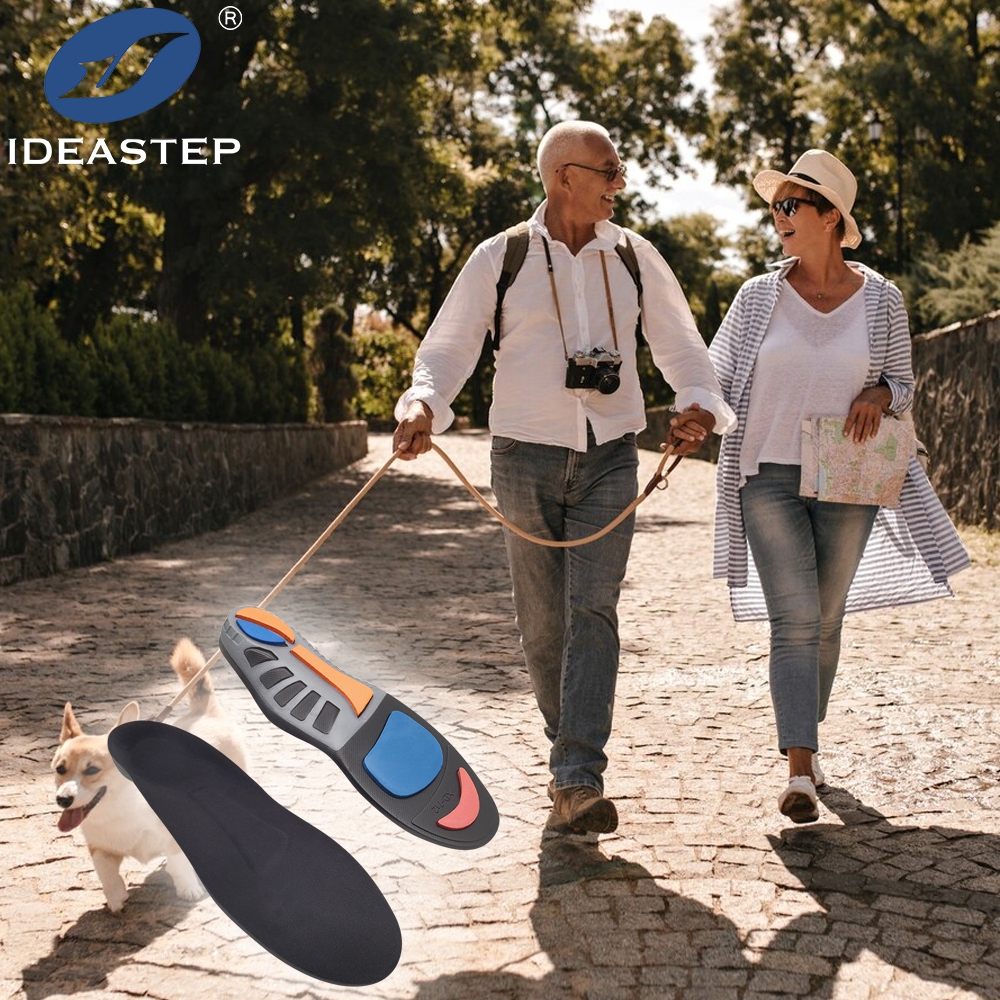
These insoles are widely used in both consumer and professional footwear applications, including:
- Retail and service workers standing for long shifts
- Warehouse and factory employees
- Healthcare professionals with continuous walking routines
- Casual users seeking daily comfort improvement
- Individuals with mild plantar fasciitis symptoms
In B2B applications, this category is often used in comfort footwear lines or as entry-level orthotic solutions.
Limitations of Memory Foam Insoles (Expert Insight)
From a materials engineering standpoint, memory foam has inherent limitations under long-term load conditions. The most common issue is compression set, where the foam gradually loses thickness and rebound performance.
It is also sensitive to heat and continuous pressure, which can affect consistency in industrial or high-demand environments.
Therefore, memory foam insoles are not recommended as standalone solutions for severe biomechanical conditions such as advanced overpronation or supination.
In professional applications, memory foam performs best when used as part of a layered system rather than a single-material structure.
How to Choose the Right Memory Foam Arch Support Insoles
Selection should be based on both foot structure and usage environment rather than comfort alone.
- Arch level: low, medium, or high arch support requirements
- Foam density: determines softness and durability balance
- Heel cup depth: improves rearfoot stability and alignment
- Base structure: EVA or PU base enhances long-term support
- Use scenario: daily wear, work environments, or light activity
Best Use Scenarios in Daily and Work Environments
Memory foam arch support insoles are commonly used in:
- Work shoes in retail, hospitality, and healthcare industries
- Casual sneakers for daily walking comfort
- Travel footwear for extended walking periods
- Light recovery use after long standing or activity
Expert Orthotic Perspective: Layered Design in OEM Production
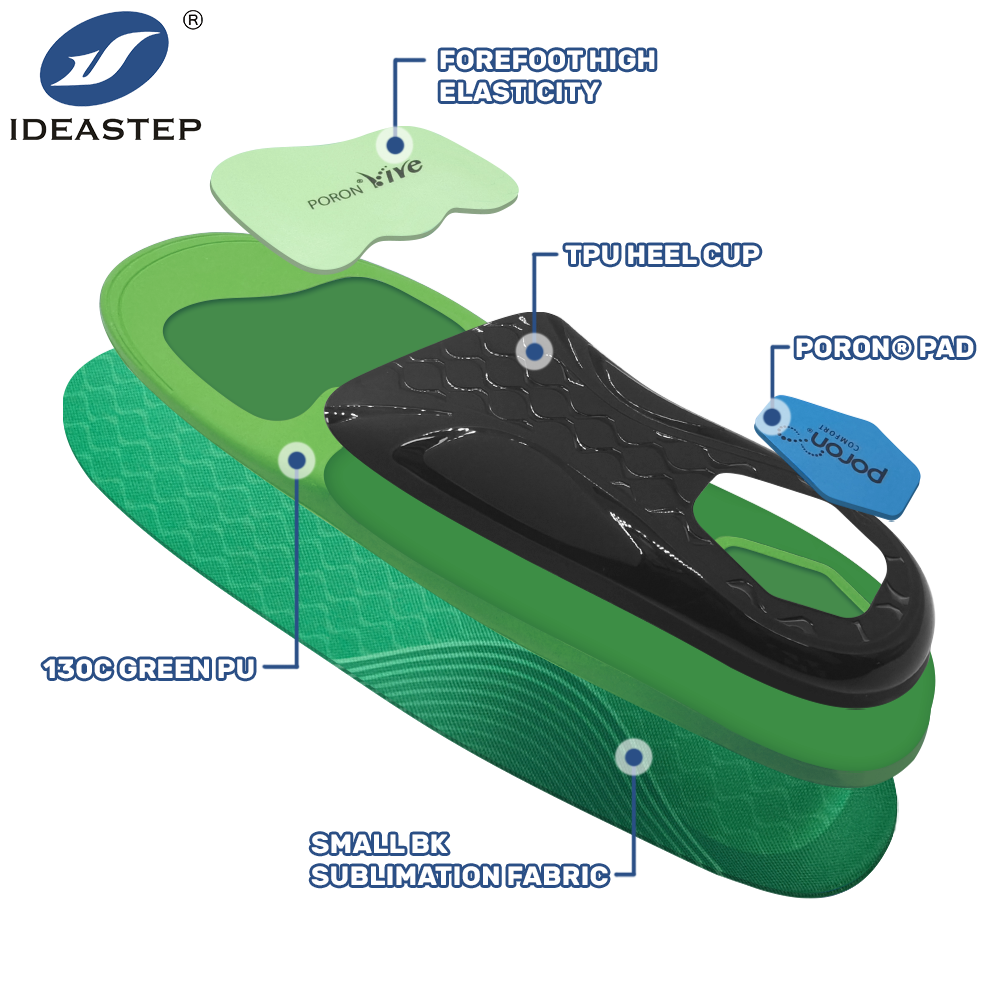
In modern insole manufacturing, performance is determined by system design rather than a single material. Memory foam provides comfort perception, while structural stability comes from engineered base layers.
From a production perspective, multi-layer construction is widely used:
- Top layer: memory foam for pressure relief and comfort
- Mid layer: EVA or PU for structural support and load distribution
- Base layer: reinforced EVA or TPU for durability and stability
This layered approach allows OEM manufacturers to adjust density, thickness, and performance based on different market needs, from comfort footwear to occupational shoe systems.
Conclusion: Are Memory Foam Insoles with Arch Support Worth It?
Memory foam insoles with arch support are a practical solution for users seeking a balance between comfort and light structural support. They are especially suitable for daily walking, standing work environments, and general foot fatigue relief.
However, in real-world orthotic design, they should be understood as hybrid comfort systems rather than fully corrective devices.
For footwear brands, distributors, and OEM buyers, this product category offers strong commercial potential, particularly when developed as part of a multi-layer insole system that combines memory foam comfort with EVA-based structural support.
We support OEM and ODM development of memory foam arch support insoles, including customized density control, material combinations, and bulk production for global footwear brands. Sample evaluation and private label customization are available upon request.
Related product links: https://www.aideastep.com/product-tag/arch-support-insoles/.