Overview: The Winter Insole Opportunity For Footwear Wholesalers
As cold seasons drive steady demand for warm shoe inserts, memory foam thermal insoles stand apart from basic fleece-only alternatives. They combine heat-trapping textiles with pressure-molding memory foam, delivering thermal retention alongside biomechanical comfort. For B2B buyers building winter product lines, supplier selection directly shapes end-user satisfaction, return rates and seasonal profit margins. This guide outlines practical ways to assess product performance and navigate common sourcing challenges.
How Memory Foam Thermal Insoles Work
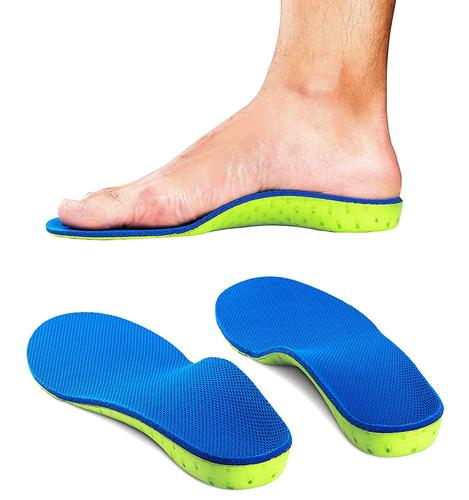
Quality memory foam thermal insoles rely on two functional layers. The top thermal fabric locks in body heat and blocks cold air transfer from the ground. Underneath, memory foam slowly conforms to each wearer’s unique foot contours, redistributing weight across heels and arches to reduce fatigue during long walks or extended standing.
Standard winter insoles only add a thin warm layer without pressure relief. Once compressed, they lose both cushioning and insulation. Memory foam thermal designs retain support far longer, creating a distinct selling advantage over low-cost competitors in your product portfolio.
What To Test Before Placing Bulk Orders
Thermal Performance Under Real Cold Conditions
Supplier specification sheets alone are not enough. Test samples in low-temperature environments. Well-made memory foam thermal insoles maintain consistent warmth without trapping excess moisture. Budget fleece linings thin rapidly after repeated wear and washing, losing insulating properties and triggering negative customer feedback.
Memory Foam Cold-Weather Resilience
A common product failure point: low-grade memory foam stiffens in cold temperatures or suffers permanent compression under sustained load. Prioritize foam that preserves slow-rebound characteristics even in cold climates. It should recover gradually and maintain arch and heel support through months of daily use.
Fabric Quality, Pilling Resistance And Moisture Management
Warm linings easily become damp and malodorous without thoughtful fabric engineering. Look for surface material resistant to pilling while wicking away light perspiration. The best formulations balance insulation and airflow, keeping feet warm without uncomfortable overheating during active wear.
Construction And Edge Durability
Inspect the bond between the thermal top layer and memory foam substrate. Poor lamination causes edge peeling, one of the most frequent end-user complaints. Reinforced edges prevent fraying and extend service life, lowering return volumes for your wholesale operation.
Shoe Fit And Trimmable Design
Consumers need insoles compatible with multiple footwear styles: work boots, casual shoes and winter sneakers. Select a thickness that delivers warmth without crowding the toe box. Trimmable profiles allow end users to cut the insole to match various shoe sizes, expanding your product’s market applicability.
Material Safety And Batch Consistency
For cross-border sales, confirm all materials meet required safety standards and that test documentation is readily available. With large seasonal bulk orders, batch variation represents a major risk. Ask suppliers about their quality control processes for thickness, foam firmness and fabric color across production runs.
Which Market Segments Benefit Most From Memory Foam Thermal Insoles
- Footwear brands integrating premium winter inserts into boot and shoe collections
- Foot care retailers stocking seasonal warm inserts for direct-to-consumer sales
- Workwear suppliers providing warm, fatigue-reducing insoles for outdoor staff
- Brands seeking cost-effective winter promotional giveaways and bundle add-ons
OEM And Private Label Options
Many manufacturers offer customisation for memory foam thermal insoles. You can adjust foam density, fabric selection, thickness and sizing, plus add custom printed logos. Custom packaging also helps differentiate your product within crowded winter markets. Most suppliers support small trial batches so you can validate quality before committing to large seasonal orders.
Top Sourcing Risks To Watch For
- Chasing low unit pricing while overlooking foam performance and thermal layer durability
- Placing large orders without cold-condition sample testing
- Accepting inconsistent batches that create mixed quality within your inventory
- Specifying overly thick designs that limit compatibility with most shoe styles
Final Sourcing Checklist
When evaluating suppliers of memory foam thermal insoles, focus on these core checks: verify real-world thermal retention, test memory foam resilience in cold conditions, inspect fabric and bonding quality, confirm footwear compatibility and secure batch consistency guarantees. These steps help you source a reliable winter product line, keeping return rates low and sustaining strong customer demand.
Reach out to our team to request samples and discuss bulk pricing for memory foam thermal insoles.
Related Reading: Ideastep battery operated thermal insoles company for sports shoes making.