Introduction: Moldable Orthotic Insoles Are an Engineering System, Not Just a Comfort Product
Moldable orthotic insoles are often described as comfort-focused products, but in real OEM manufacturing practice, they are closer to a controlled deformation system that balances adaptability and structural support.
Their performance depends not only on material softness, but on how EVA, PU, and TPU interact under pressure, heat, and long-term mechanical loading.
What Defines a Moldable Orthotic Insole?
A moldable orthotic insole is designed to adjust its internal structure based on foot shape, pressure distribution, or heat activation. Unlike fixed-geometry insoles, it introduces a controlled adaptation process that improves fit over time or during molding.
In most OEM orthotic systems, moldability is not unlimited deformation—it is a guided structural response defined by material selection and engineering constraints.
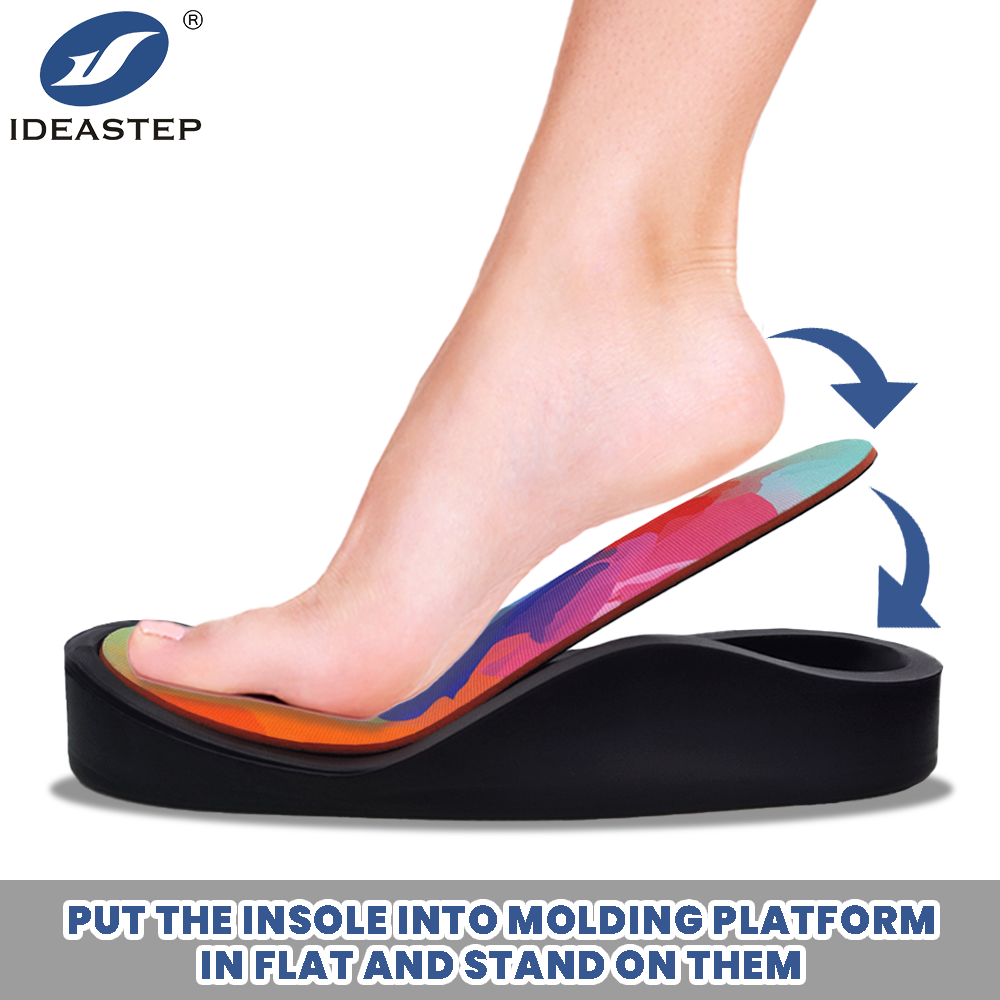
How Moldable Insoles Adapt to Foot Shape in Real Use
Pressure-Driven Structural Adaptation
During walking or standing, the foot applies variable pressure across different zones. Moldable materials respond by slightly deforming in high-pressure areas, gradually forming a semi-custom support profile.
This is not a random deformation process. In engineered systems, deformation zones are pre-defined through material density control and structural zoning.
Heat Molding Behavior in EVA-Based Systems
EVA is commonly used in moldable orthotic insoles due to its predictable thermal response. When exposed to controlled heat, EVA becomes flexible and allows reshaping according to foot anatomy.
After cooling, the material stabilizes and retains its new structure. However, in most OEM applications, EVA is reinforced with structural layers to prevent long-term collapse.
Structural Rebalancing During Adaptation
A well-designed moldable insole does not simply conform to the foot. It redistributes load between heel, arch, and forefoot zones to maintain biomechanical alignment.
Material Systems Behind Moldable Orthotic Insoles
EVA: Primary Moldable Cushioning Layer
In most OEM systems, EVA is used as the primary molding layer due to its balance between flexibility and shock absorption.
However, EVA alone has limitations. Under continuous load, it may experience rebound loss and gradual compression set, which is why it is rarely used as a standalone structural material.
PU: Long-Term Structural Stability Layer
PU provides resistance against permanent deformation. It helps maintain arch height and structural integrity over extended use periods.
In moldable systems, PU acts as the stabilizing framework that prevents excessive collapse after shaping or repeated wear.
TPU: Motion Control and Reinforcement Layer
TPU is typically applied in targeted zones where motion control is required. It helps regulate deformation and improves lateral stability during walking or running.
Key Advantages of Moldable Orthotic Insoles
- Improved anatomical fit compared to fixed-structure insoles
- Better pressure distribution across plantar zones
- Reduced localized fatigue during prolonged standing or walking
- Semi-custom adaptation without full medical customization cost
- Stronger product differentiation for OEM/ODM brands
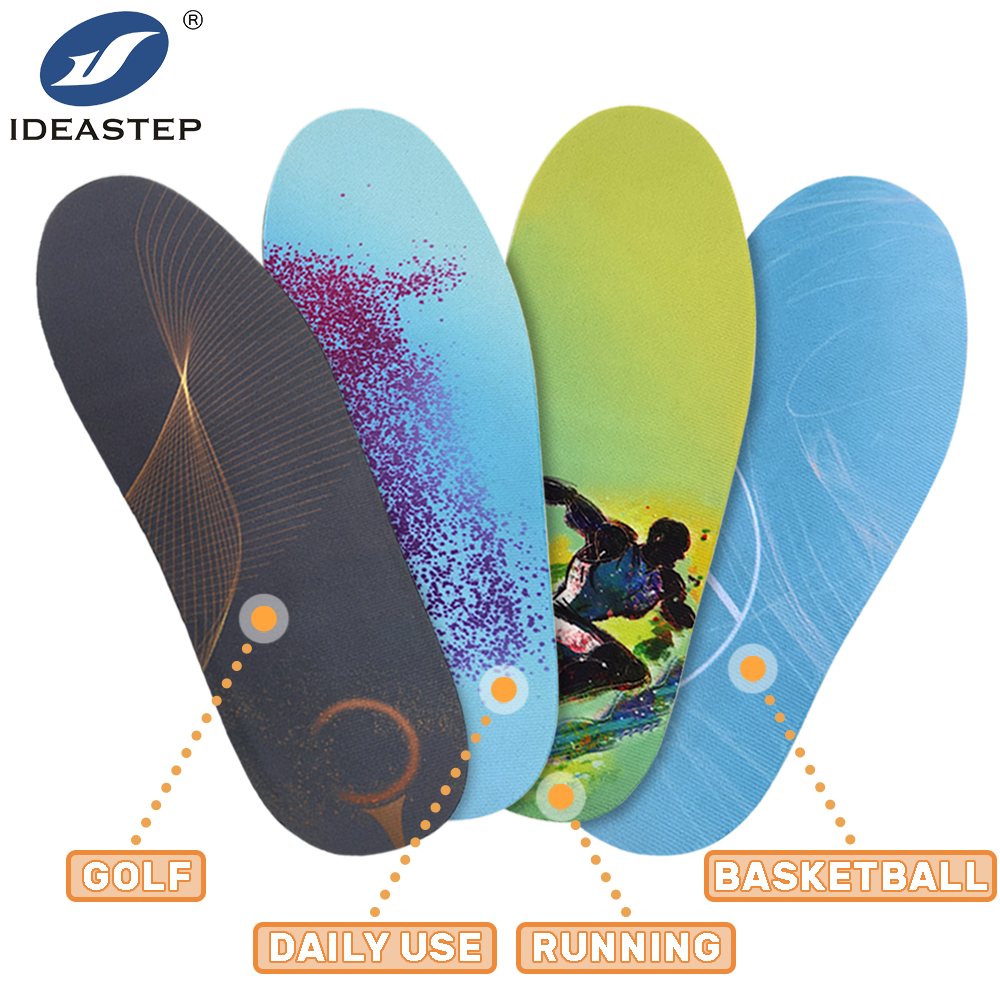
Where Moldable Insoles Are Actually Used
Long Standing Occupational Users
In industrial, healthcare, and retail environments, prolonged standing creates continuous pressure on the heel and midfoot. Moldable insoles help redistribute this load more evenly over time.
Sports and Dynamic Movement Users
During running or training, foot pressure shifts through gait phases—from heel strike to mid-stance and forefoot propulsion. Moldable structures help stabilize these transitions by reducing peak pressure concentration.
Foot Condition Support Applications
For users with flat feet, high arches, or plantar pressure imbalance, moldable systems provide adjustable support without requiring fully custom medical orthotics.
Rehabilitation and Recovery Use Cases
In rehabilitation environments, moldable insoles are used as transitional support tools to improve alignment and reduce strain during recovery periods.
Engineering Limitations of Moldable Orthotic Insoles
While moldable insoles improve adaptability, they also introduce technical constraints that must be controlled during OEM development.
One common issue is over-deformation in EVA layers when thermal exposure is not properly managed during molding. This can lead to uneven structural recovery after cooling.
Another limitation is rebound loss in EVA-based systems without sufficient PU reinforcement, especially under long-term load conditions.
For this reason, most professional OEM designs rely on multi-layer structures rather than single-material constructions.
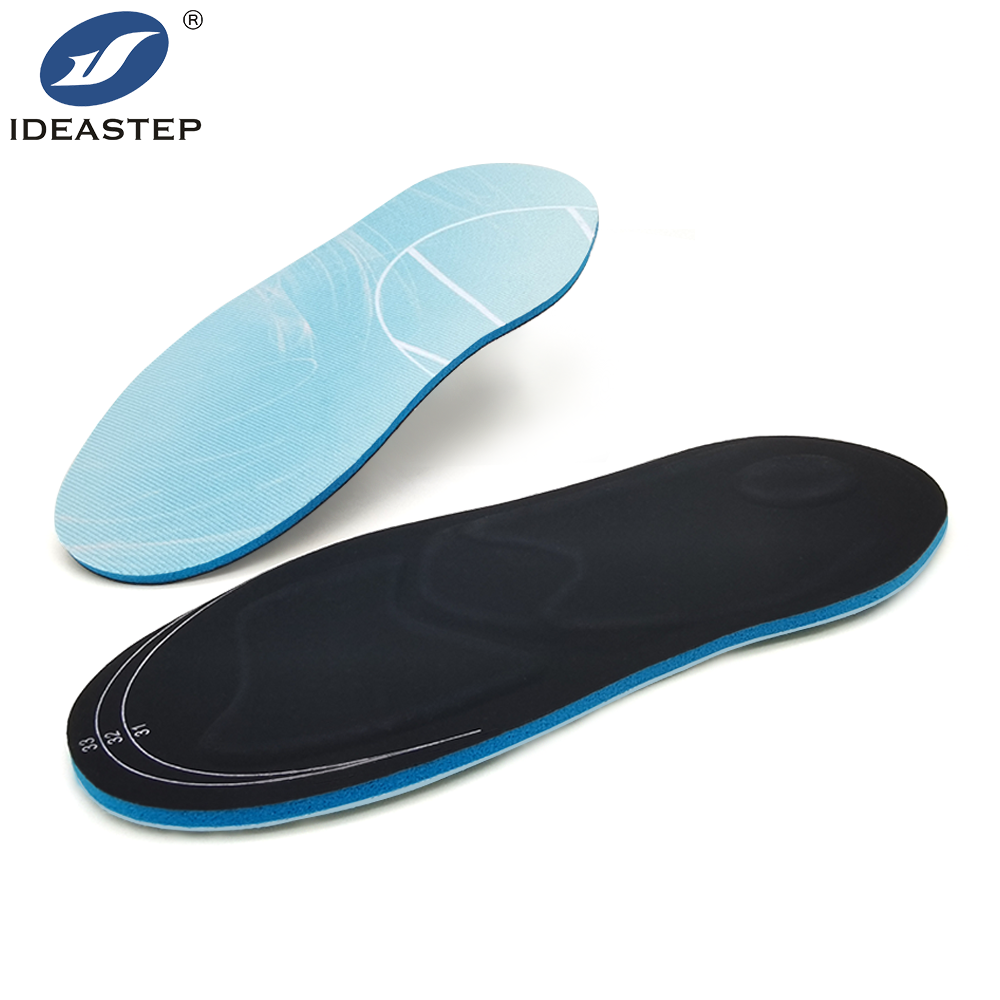
How OEM/ODM Manufacturers Develop Moldable Orthotic Insoles
Foot Morphology and Pressure Analysis
Development begins with understanding foot structure data, including arch height, heel angle, and pressure distribution patterns under static and dynamic conditions.
Material Density and Layer Configuration
Material selection is not only about softness. Density, hardness, and thickness must be balanced to control deformation behavior during use and molding.
Structural Zoning Design
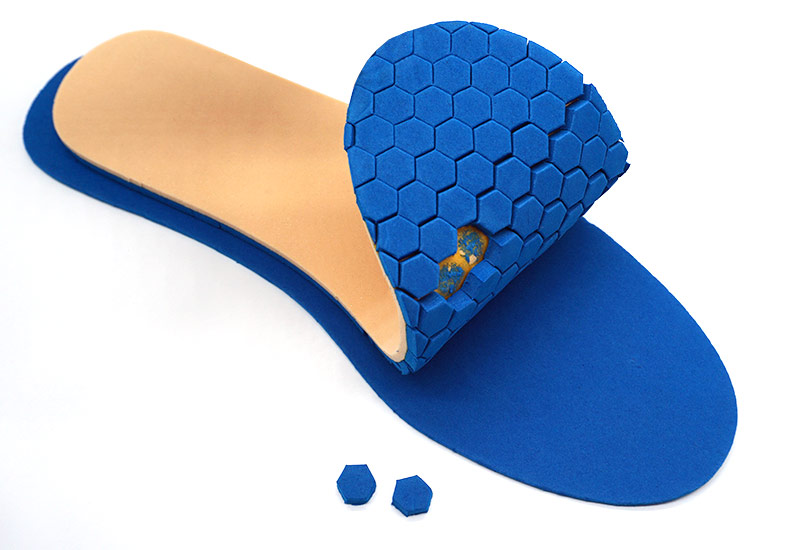
Modern moldable insoles are divided into functional zones—cushioning, support, and motion control—each engineered with different material properties.
Prototype Validation and Testing
Before mass production, prototypes are evaluated through compression testing, wear simulation, and user feedback cycles to ensure stability and consistency.
Common Misunderstandings in Moldable Insole Design
A common misconception is that softer materials automatically improve comfort. In practice, excessive softness often reduces arch stability and increases fatigue over time.
Another misunderstanding is that moldability eliminates the need for structural design. In reality, controlled support architecture is essential to prevent excessive deformation.
Future Trends in Moldable Orthotic Technology
The industry is moving toward data-driven customization, including 3D foot scanning and pressure mapping integration for more precise structural design.
At the material level, hybrid systems combining EVA, PU, and TPU are becoming standard for balancing adaptability and long-term durability.
Conclusion: Moldability Must Be Controlled, Not Unlimited
Moldable orthotic insoles are not simply flexible comfort products. They are engineered systems that require controlled deformation behavior, material balance, and structural validation.
For OEM and ODM buyers, the key factor is not whether a product can mold, but whether it can maintain stable biomechanical support after adaptation.
Brands that succeed in this category typically focus on engineering consistency, not just customization capability.
Related product links: https://www.aideastep.com/product/flat-heat-moldable-insoles/.