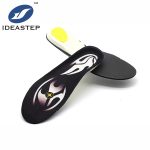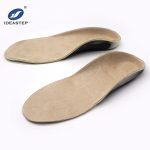
Most consumers prioritize mild comfort over rigid correction. Hard high-support orthotic insoles often create arch pressure and foot soreness during daily wear. In contrast, soft arch support insoles deliver gentle arch lift and balanced cushioning. They work perfectly for long walks, casual footwear and relief from mild foot fatigue.
For footwear brands, orthotic retailers and B2B distributors, soft arch support insoles represent a low-risk, high-demand product line. They complement rigid corrective insoles and expand your target customer base.
Even so, bulk buyers commonly run into batch quality issues. Typical problems include insufficient support, rapid foam flattening, inconsistent arch curves and poor fabric adhesion. These defects trigger negative reviews, high return rates and damage your retail reputation.
This professional bulk sourcing guide covers practical selection benchmarks, material evaluation, quality control rules and customization options. It helps you source stable, market-ready soft arch support insoles and drive long-term sales growth.
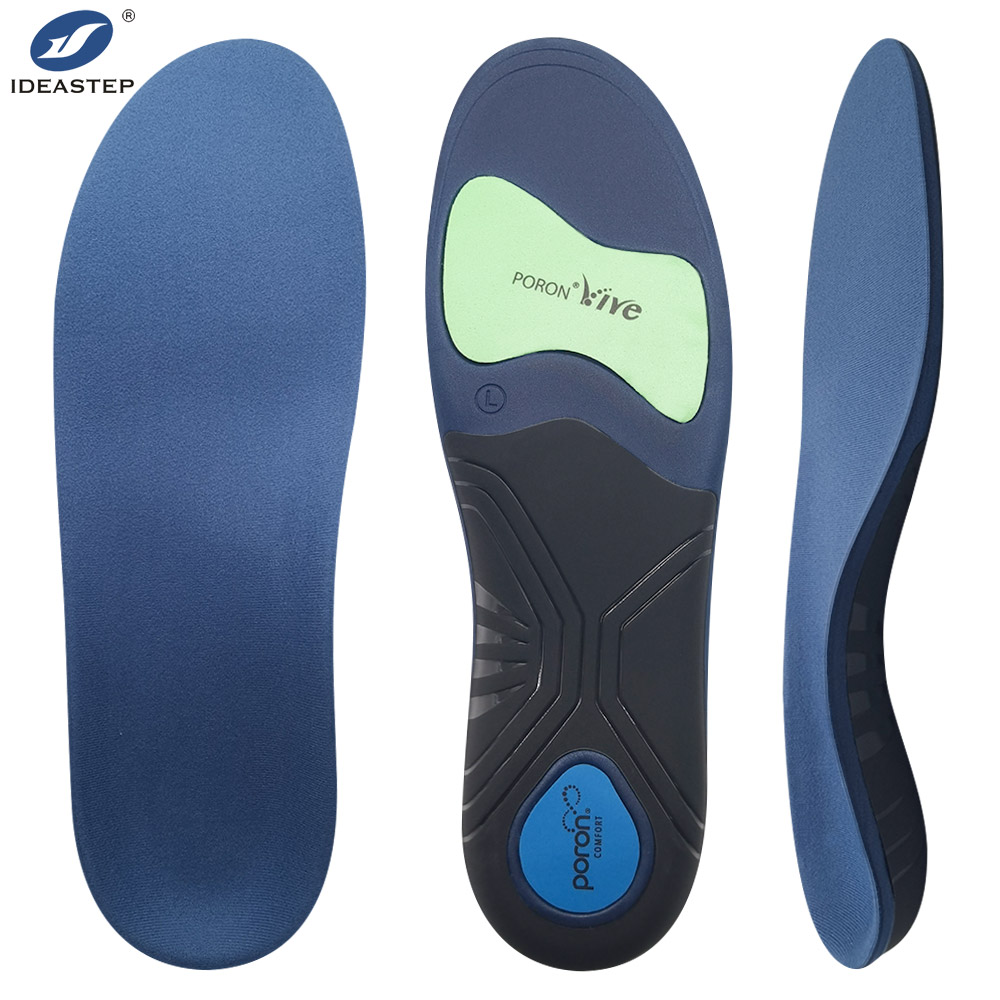
Ideal Material Choices for Soft Arch Support Insoles
Material performance controls comfort, support durability and service life. Well-made soft insoles do not rely just on simple softness. They balance flexibility and structural stability.
Low-density virgin EVA foam is the most widely used base material. It is lightweight and moderately soft. It delivers subtle arch lift without squeezing foot tissue. It fits casual shoes, walking footwear and everyday athletic shoes without bulk.
High-grade PU foam serves as an upgraded option for premium product lines. It offers better compression recovery than standard EVA. It resists permanent flattening after heavy repeated use. It maintains reliable arch support through daily wear cycles.
Trusted suppliers pair base foam with soft, skin-friendly top fabrics. These materials cut friction and boost breathability to reduce heat buildup. Reliable manufacturers supply full material test reports to meet global safety compliance.
Key Technical Specifications for Bulk Purchasing
Many generic insoles feel soft at first but quickly lose supportive shape. Professional bulk buyers must evaluate core parameters to avoid poor inventory.
Arch height matching: Soft arch support uses gradual lifting instead of forceful jacking. Over-tall arches create painful pressure points. Over-flat profiles fail to ease plantar fatigue. Standard ergonomic arch radians fit most adult foot types and match mainstream consumer needs.
Controlled overall thickness: Slim, uniform thickness improves shoe compatibility. Inserts fit most casual shoe lasts without lifting heels or crowding toe boxes. This improves end-user fitting experience.
Smooth edge finishing: Precision trimming prevents edge warping and foot rubbing. Careful finishing elevates product quality and user satisfaction.
Necessary Quality Control Standards for Bulk Orders
Batch consistency is the top priority in B2B bulk procurement. Stable quality separates branded products from generic wholesale alternatives.
Professional manufacturers run full-process quality inspections. They test compression recovery to confirm foam bounces back after repeated pressure. This prevents permanent flattening after short use.
QC teams also verify dimensional tolerance, arch contour uniformity and surface fabric bonding strength. Every batch must align strictly with the approved master sample.
Qualified suppliers remove defective units before shipment. Defects include deformed insoles, weak lamination and uneven surfaces. Rigorous QC lowers after-sales risk for retailers and brands.
Customization Solutions for Brand Differentiation
Homogeneous products create intense market competition. Customization helps your soft arch support insoles stand out and raise profit margins.
Reliable OEM manufacturers support personalized adjustments. You can customize arch radian parameters, surface fabric textures, foam colors and thickness grades to match your market positioning.
Private label services include logo printing, embossing and custom size grading. These features build distinct brand recognition for retail and wholesale channels.
Flexible MOQ policies support small trial batches and repeat large bulk orders. This lets new product lines test market response while keeping inventory risk low.
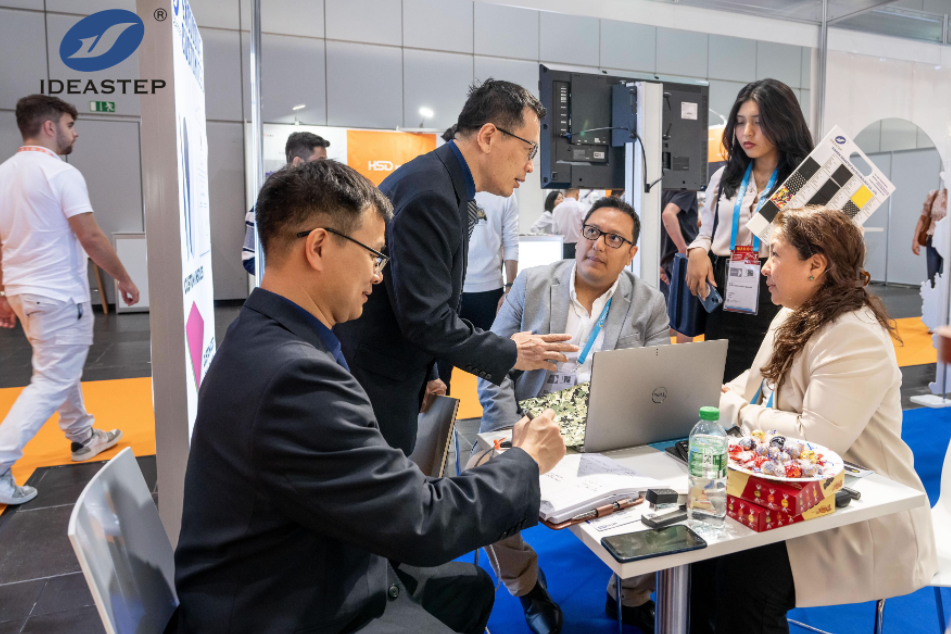
How to Choose a Reliable Bulk Insole Supplier
Great finished products depend on experienced manufacturing. When screening suppliers, prioritize factories with proven expertise in soft cushion insole production.
Many orthotic factories only specialize in rigid support items. They lack mature formulas for soft arch structures. This often results in inconsistent feel and unreliable support performance.
Trusted suppliers maintain transparent communication. They provide free sample testing, detailed spec sheets and regular production updates. They schedule production properly around peak sales seasons to guarantee on-time delivery.
Conclusion
Soft arch support insoles are a high-selling foot care product for daily use. They fill the market gap between pure cushion insoles and rigid orthotic insoles. They generate steady sales for footwear brands and orthotic retailers.
Successful bulk sourcing requires careful control of materials, technical specs, batch quality and customization details. Partnering with skilled manufacturers reduces procurement risk and improves product competitiveness.
If you seek stable bulk supply and OEM customization of soft arch support insoles, contact our team today. Request free product samples, official test reports and tailored wholesale quotations.
Related Articles: Custom Soft Arch Support Insoles for Comfortable Orthotic Solutions and OEM Manufacturing.