Off-the-shelf generic insoles are a fast, low-cost option, yet they rarely fit the specific goals of footwear OEMs, wholesale distributors, clinic suppliers and footwear brands. When you source customized shoe inserts from a specialised orthotic manufacturer, you get more than just a branded component. It becomes a functional upgrade that helps you stand out in the market, protect margins, simplify supply chain management and unlock high-value foot care segments. This article covers the core benefits of custom inserts as a strategic sourcing decision for B2B footwear partners.
1. Stand out in a saturated footwear market with clear product differentiation
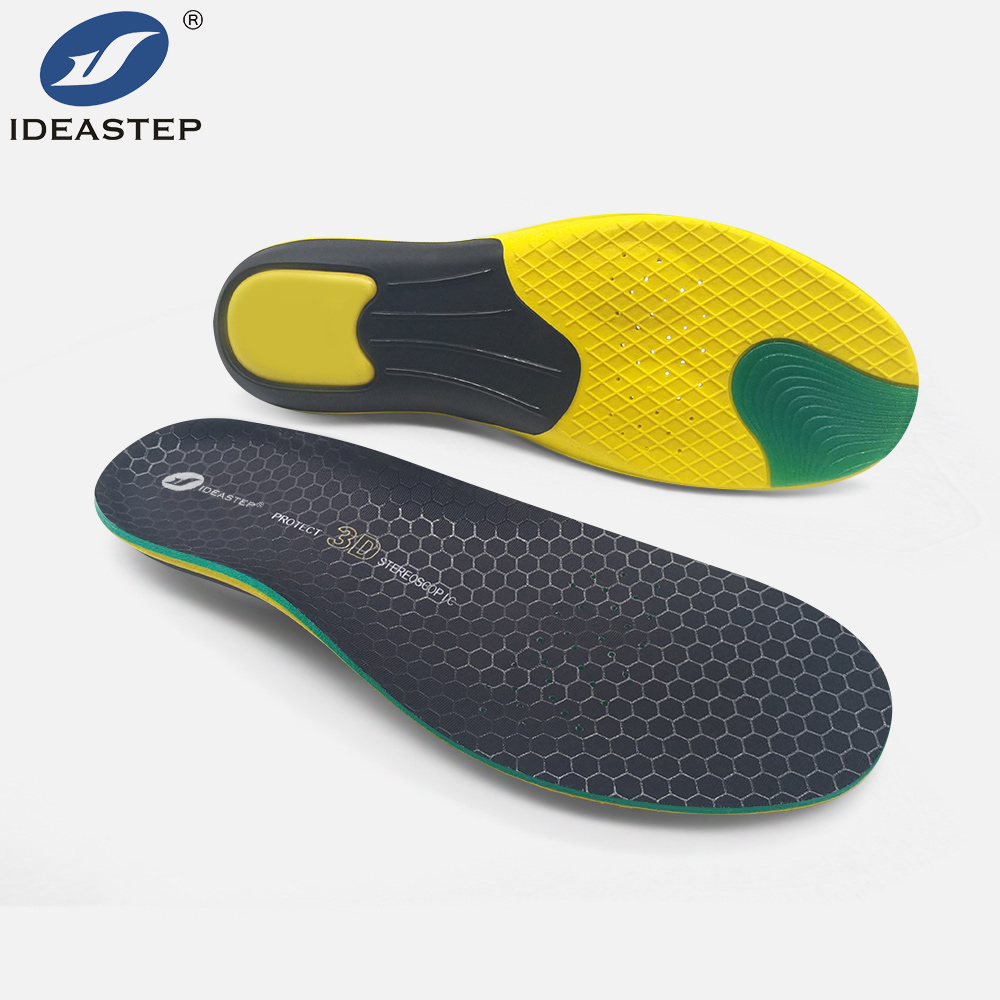
Most footwear brands compete on style, price and basic comfort. Customized shoe inserts let you add tangible, sellable functional features without reworking shoe lasts or investing in new tooling. Arch support, heel containment, metatarsal relief, cushion firmness and top fabrics can all be tailored to match your product lines. Athletic shoes, work boots, dress footwear, orthopaedic styles and high heels each have unique biomechanical and fit requirements.
Wholesale buyers and resellers need features they can explain to their own customers. An insert built for flat feet, high arches, diabetic pressure redistribution or sports shock absorption gives your sales team a clear selling message. It also pulls you away from pure price competition, since buyers are less likely to compare your custom solution against commodity insoles.
2. Build tiered product lines and boost profit margins
Custom inserts make it easy to create tiered offerings around the same shoe base. A standard shoe model can ship with basic comfort insoles, while premium or therapeutic versions come fitted with orthotic footbeds. This structure lifts average order values for wholesale orders and gives you room to set tiered pricing for distributors.
You can also launch replacement inserts as standalone SKUs, generating repeat revenue beyond shoe sales. Compared with full shoe development, custom insert development requires far lower tooling spend and manageable sampling costs. When paired with flexible MOQ options, it is a low-risk way to test premium markets before scaling larger production runs.
3. Retain full control over materials, construction and performance specs
Working with an experienced supplier puts you in control of every layer of the insert build. You can pick from EVA, TPU, cork, memory foam, gel, carbon fibre shells or cooling conductive fabrics, and define hardness, compression rates, lamination structure and surface finish to hit your performance targets. Sports orthotics need rigid support and light weight; diabetic inserts focus on soft, low-pressure contact and seamless surfaces; slim inserts for formal shoes must stay thin enough to avoid crowding the shoe interior.
This level of control also reduces fit issues. The manufacturer can design thickness, toe spring and heel cup geometry to match the internal volume of your shoe last. This cuts assembly headaches and reduces fit complaints from your wholesale clients. Every batch follows your agreed SOP, with material test records covering hardness, fatigue resistance and bond strength.
4. Access private label OEM and ODM support to protect your brand identity
Reliable custom insert suppliers offer private label branding, including surface printing, embossed logos, custom packaging and bespoke colourways. Whether you are a footwear brand adding branded footbeds, a distributor building an exclusive accessory line, or a clinic supplying orthotics under your practice name, OEM and ODM workflows keep your brand front and centre.
Many suppliers also support joint product development. You share your target user, shoe type and clinical objectives, and their biomechanics and engineering team refine the design through sampling. This collaborative model works well for new launches, limited runs and seasonal product updates.
5. Simplify compliance and batch traceability for export markets
Selling into Europe and North America means navigating medical device regulations, REACH restrictions, biocompatibility rules and ISO quality standards. A manufacturer already set up for medical-grade orthotic inserts can supply CE marking documentation, test reports, risk files and batch traceability records your wholesale and clinic partners require.
This is a major sourcing advantage. Building all these compliance files internally would mean heavy audit and administrative overhead. A qualified supplier manages ongoing material certification, batch testing and labelling requirements, so your shipments move smoothly through distributors, clinics and insurance-linked programmes.
6. Flexible order models to match mixed order streams
Footwear OEMs and wholesalers typically handle two very different order types: large bulk runs built directly into footwear, and smaller custom orders for podiatry clinics, foot care networks and patient-specific orthotics. The right custom insert supplier can support both.
Bulk wholesale orders are usually produced via CNC milling or thermoforming for stable, repeatable output. Small patient-specific orthotics can use 3D printing generated from foot scan data. Consolidating these under one supplier removes the need to manage separate vendors for commodity insoles and therapeutic orthotics. This reduces procurement work, makes quality follow-up easier and gives you clearer visibility over lead times.
7. Reduce pressure on your internal engineering and production teams
Developing orthotic inserts in-house demands biomechanical expertise, CAD design capacity, milling or printing equipment, material testing infrastructure and compliance staff. For most footwear brands and distributors, this investment is impractical.
Sourcing externally lets you outsource this technical complexity. Your team stays focused on shoe design, sales, distribution and client relationships, while the supplier handles scan processing, CAD revisions, material validation, manufacturing, finishing and QC. This is especially important when you move into therapeutic orthotics, where poor clinical performance can quickly damage your brand reputation.
8. Consistent quality control and stable supply for long-term partnerships
A trusted orthotic supplier runs functional QC, not just visual spot checks. They verify arch posting height, heel tilt, relief zones and dimensional accuracy against your CAD reference, rather than only checking for scratches or clean edges. Batch traceability links finished inserts to raw material lots, production dates and first article inspection records.
Consistency across shipments matters hugely for wholesale partners. Distributors and retail customers expect the same fit and feel from the first container to the last. A supplier with stable raw material sourcing and locked production parameters lowers return rates and cuts operational friction caused by inconsistent components.
Final Takeaway
Sourcing customized shoe inserts is more than adding a new accessory line. It is a strategic move to differentiate your footwear portfolio, capture higher margins, serve clinical and therapeutic channels, and avoid the heavy technical workload of orthotic development. Generic insoles meet basic needs, but custom inserts let you build products aligned with your shoe designs, brand positioning and your B2B clients’ most valuable market opportunities.
If you want to explore OEM or ODM customized shoe inserts with flexible material options, low MOQ sampling and CE ISO compliant production, reach out to our team to build a sourcing plan aligned with your footwear and wholesale roadmap.
Related Reading: Customized Shoe Insoles How Customized Shoe Inserts Elevate Your Footwear Brand Portfolio.