Choosing the right medical orthotic insoles supplier is about more than finding a competitive price. For wholesalers, distributors, clinics, and footwear brands, the supplier must also provide consistent quality, suitable materials, reliable customization, and dependable delivery.
Before placing a bulk order, focus on the following key factors.
1. Orthotic Insole Development Experience
Orthotic insoles require careful attention to arch support, heel cup design, cushioning, thickness, and overall shape. A supplier with relevant experience should understand how these elements work together and how to adapt them for different footwear applications.
Ask whether the supplier can develop or adjust:
-
- Low, medium, and high arch structures
- Standard or deep heel cups
- Flexible or semi-rigid support
- Forefoot and metatarsal cushioning
- Different thicknesses and size ranges
- Designs for sports, work, casual, or medical-related footwear
A strong product development team should be able to explain its design recommendations and provide practical solutions based on your target market.
2. Material Selection and Customization
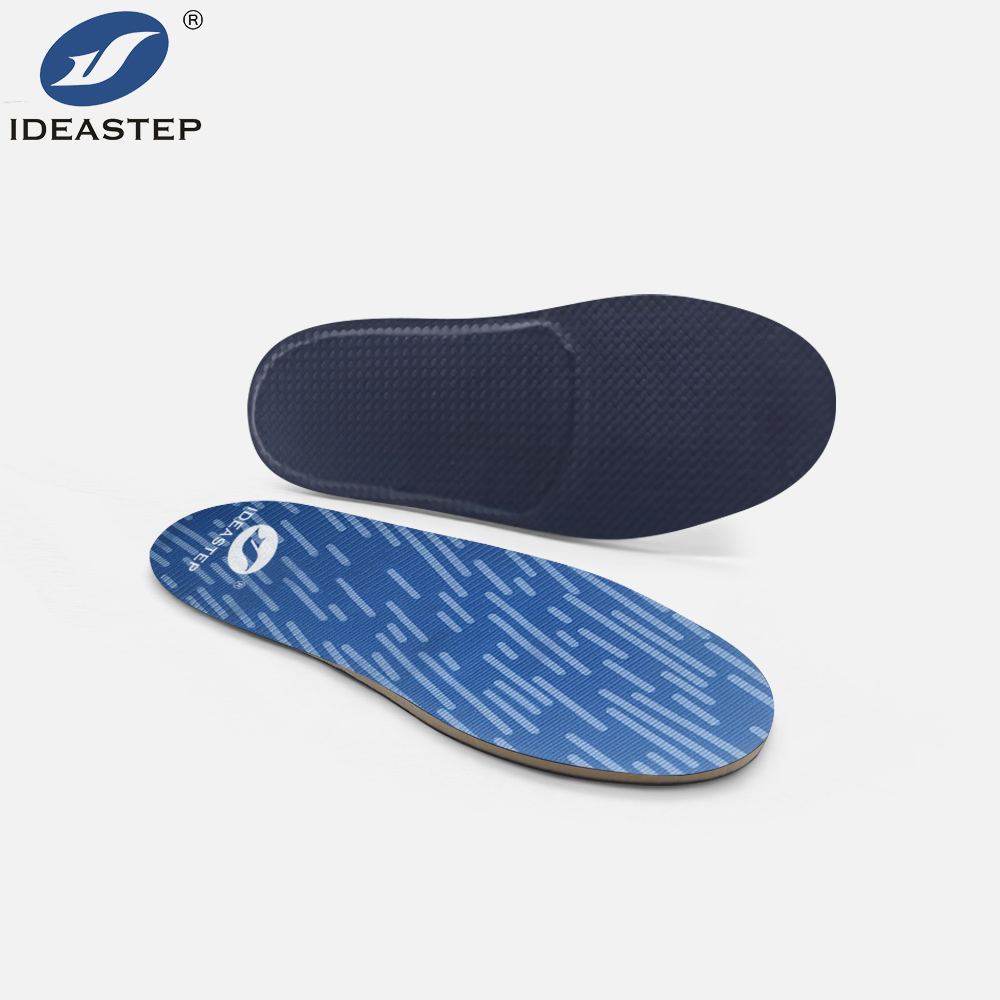
Material choice affects an insole’s cushioning, flexibility, stability, durability, weight, and cost. A professional custom orthotic insoles supplier should be able to recommend materials according to the product’s intended use.
Common options include:
- EVA: Lightweight cushioning and different hardness levels
- TPU: Support plates and stabilizing structures
- PU: Comfortable cushioning in selected constructions
- PORON and similar foams: Targeted cushioning areas
- Fabric, mesh, or velvet: Surface comfort, breathability, and branding
Customization may include:
- Arch height and support geometry
- Heel cup depth
- Thickness and hardness
- Material layers
- Cushioning zones
- Top-cover fabric
- Size range
- Logo, color, and packaging
Confirm which features can be customized and whether changes will affect tooling costs, MOQ, sample fees, or production time.
3. Manufacturing Capability and Consistency
A good sample does not always mean the supplier can deliver consistent bulk orders. The manufacturer should have a clear process for moving from product design and sampling to mass production.
Relevant capabilities may include:
- CAD or 3D product design
- Mold development
- CNC processing
- Material lamination
- Precision trimming
- Support-component assembly
- Sample development
- Custom packaging and labeling
Ask how the supplier controls repeat production. The approved sample, material specifications, product dimensions, and construction details should be documented and used as production references.
For B2B buyers, consistency across different batches is just as important as the quality of the first shipment.
4. Quality Control and Documentation
Quality control should cover materials, production, finished products, and packaging.
Important inspection points include:
- Material density, hardness, and thickness
- Product dimensions and size grading
- Arch and heel structure
- Layer alignment
- Bonding and edge finishing
- Surface defects
- Logo and packaging accuracy
- Consistency with the approved sample
Depending on the product and target market, buyers may also request:
- Material specifications
- Technical data sheets
- Safety data sheets where applicable
- Test reports
- Inspection records
- Applicable compliance documents
The term “medical” does not automatically mean that an insole is classified as a medical device in every country. Buyers should confirm the relevant requirements based on the product’s intended use, claims, and destination market.
5. OEM and ODM Support
OEM and ODM services are important for companies developing private-label orthotic insoles.
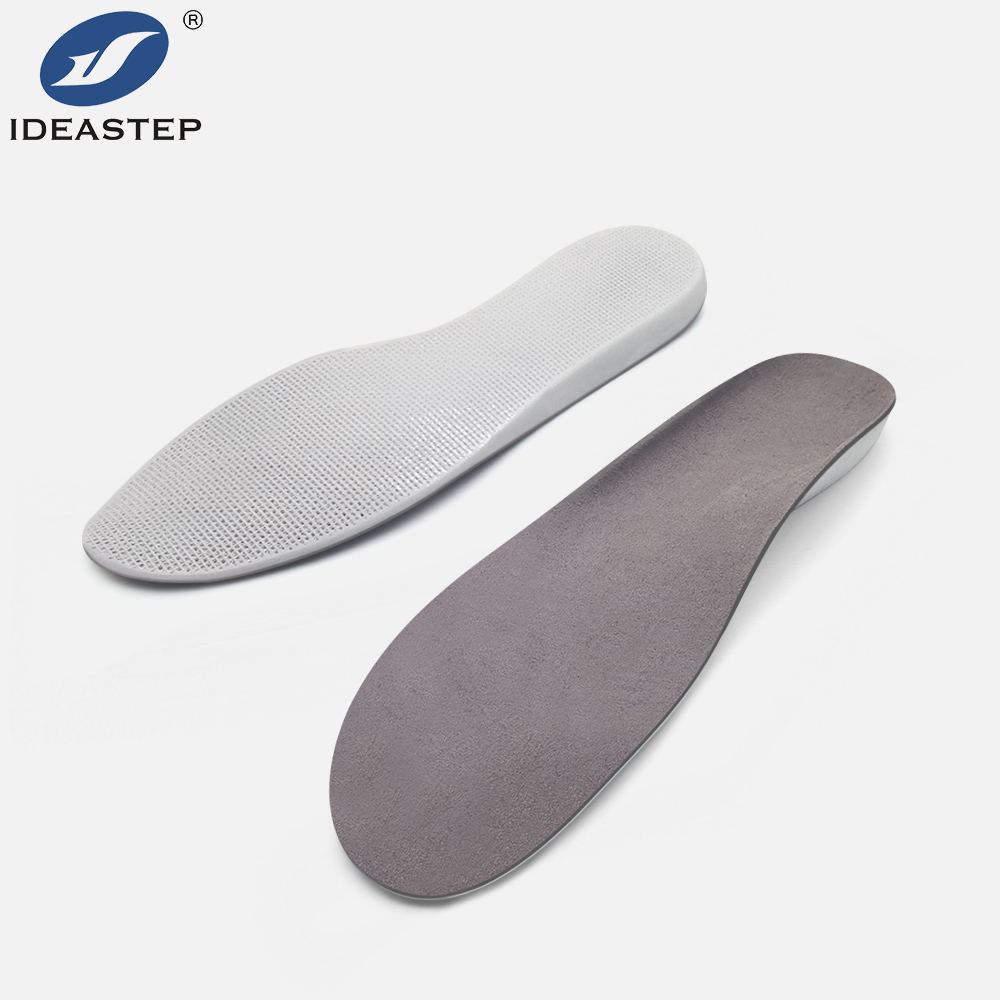
OEM production is suitable when the buyer already has a drawing, sample, product specification, or clear design. The supplier manufactures the product according to the agreed requirements.
ODM development is more suitable when the buyer has a product concept but needs support with:
- Material selection
- Structural design
- Arch and heel adjustments
- Cushioning configuration
- Sample development
- Product revisions
- Packaging suggestions
Before starting a project, clarify the supplier’s responsibilities, revision process, tooling costs, and ownership of custom designs or molds.
6. MOQ, Pricing, and Delivery
Do not compare suppliers only by unit price. The total project cost may also include sampling, tooling, packaging, testing, labeling, and shipping.
Ask for written details about:
- Sample fees and lead time
- Minimum order quantity
- Tooling or mold charges
- Bulk pricing
- Production lead time
- Packaging costs
- Payment and shipping terms
- Material availability
- Reorder conditions
A supplier that supports both trial orders and repeat bulk production may be more suitable for long-term cooperation. Also, make sure the supplier clearly distinguishes between sample lead time and mass-production lead time.
7. Communication and Technical Support
Clear communication helps prevent errors involving size, materials, support structures, packaging, and delivery.
Before production, confirm:
- Product dimensions and size range
- Material construction
- Arch and heel design
- Thickness and hardness
- Logo and packaging details
- Inspection requirements
- Production schedule
- Required documentation
A reliable supplier should provide clear answers, identify potential production risks, and record all approved changes. The final sample and written specifications should be confirmed before bulk manufacturing begins.
8. Why Consider Ideastep?
Ideastep has been involved in footwear materials since 1989 and supports orthotic insole and EVA-related product development for B2B customers.
Depending on project requirements, its services may include:
- Material selection
- Orthotic insole development
- Structural adjustments
- OEM and ODM production
- Sample preparation
- Custom branding and packaging
- CNC-based processing
- Selected 3D design or printing applications
- Bulk supply support
To receive a more accurate evaluation and quotation, buyers should provide the required materials, size range, product structure, target quantity, packaging needs, and target market.
Conclusion
The right medical orthotic insoles supplier should offer more than a low quotation. Product development experience, material knowledge, manufacturing consistency, quality control, OEM/ODM support, documentation, and delivery reliability all matter to a successful B2B project.
Before placing a bulk order, review samples, confirm specifications, clarify MOQ and lead time, and verify the documents required for your market.
If you are sourcing customized orthotic insoles or developing a private-label product line, please contact the Ideastep team to discuss your product requirements, materials, MOQ, packaging, and OEM/ODM options.
Related Reading: Reliable Supplier Of Bespoke Orthotic Insoles For Bulk Orders.