From “Looking at Feet” to “Analyzing Movement”: Modern Orthotic Assessment Is Evolving
Many patients have the same question when they first consider orthotics:
“Why do my feet still hurt even after trying multiple insoles?”
In clinical practice, this situation is extremely common.
Some people struggle with chronic plantar fasciitis. Others experience recurring knee pain while running. Some patients show no obvious abnormalities on X-rays, yet still feel fatigue, imbalance, or discomfort when walking.
Traditionally, orthotic prescriptions relied heavily on static assessments — evaluating arch height, foot shape, or shoe wear patterns. However, growing clinical experience and biomechanical research suggest that:
Most movement-related problems are not created while standing still — they develop during motion.
This is exactly why gait analysis has become an increasingly important part of modern orthotic evaluation.
Instead of simply examining foot structure, gait analysis focuses on how the body moves during walking, running, and weight-bearing activities. It helps clinicians identify the true source of pain and significantly improves the precision and comfort of custom orthotic devices.
What Is Gait Analysis?
Simply put, gait analysis is:
A systematic evaluation of how a person walks in order to identify biomechanical abnormalities in the lower extremities.
It evaluates much more than just the feet, including:
- Foot loading patterns
- Ankle mobility
- Tibial rotation
- Knee alignment
- Pelvic stability
- Center of gravity transfer
In many cases, the location of pain is not actually where the problem originates.
For example:
- Knee pain may originate from excessive foot pronation
- Lower back pain may be related to uneven weight distribution
- Plantar fasciitis may result from poor shock absorption during gait
These issues are often difficult to detect through static examination alone.
Why Traditional Static Assessment Is No Longer Enough
In the past, clinicians commonly relied on:
- Arch observation
- Postural assessment
- Foot casting
- Experience-based orthotic adjustments
While these methods can still provide useful information, they also have significant limitations.
The way a person stands does not always reflect how they move.
Clinically, it is very common to see patients whose arches appear normal while standing, but collapse significantly during walking or running. Others may appear symmetrical in static posture, yet demonstrate clear knee deviation during movement.
Especially in active individuals, dynamic dysfunction is often the real problem.
This is why more podiatrists, rehabilitation specialists, and orthotic clinicians are prioritizing dynamic gait assessment.
What Does Gait Analysis Actually Evaluate?
A normal walking cycle involves highly coordinated biomechanical activity.
Professional gait analysis typically focuses on several key phases of movement.
Heel Strike
This is the moment when the heel first contacts the ground.
Clinicians evaluate:
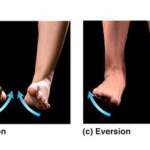
- Excessive heel eversion
- Shock absorption efficiency
- Foot landing angle
Many runners develop poor impact absorption during this phase, contributing to shin pain or excessive plantar loading.
Mid Stance
This phase occurs when body weight is fully supported on one leg.
It is often the stage where biomechanical problems become most visible.
Clinically, many flat-footed patients demonstrate significant arch collapse during mid stance, accompanied by:
- Internal tibial rotation
- Knee valgus
- Reduced pelvic stability
Over time, these abnormal loading patterns may affect not only the feet, but also the knees and lower back.
Toe Off
This phase occurs when the forefoot pushes the body forward.
Abnormal loading here may contribute to:
- Metatarsalgia
- Bunions
- Achilles tendon tightness
- Forefoot fatigue
Patients who wear rigid footwear or participate in repetitive sports often develop compensation patterns during this stage.
Who Can Benefit Most from Gait Analysis?
Gait analysis is not only for severe foot disorders.
In fact, many chronic pain conditions are closely related to walking mechanics.
1. Plantar Fasciitis
This is one of the most common clinical presentations.
Many patients report severe pain during their first steps in the morning.
However, the real issue is often prolonged abnormal loading caused by:
- Arch collapse
- Overpronation
- Poor rearfoot stability
Without addressing these biomechanical problems, symptoms frequently return.
2. Runner’s Knee
Many runners assume that buying more expensive running shoes will solve knee pain.
In reality, lower-limb alignment often plays a much larger role.
Gait analysis frequently reveals:
- Dynamic knee valgus
- Abnormal foot rotation
- Asymmetrical loading patterns
These issues continuously increase stress on the knee joint.
3. Flat Feet and Standing Fatigue
Some patients may not experience significant pain, but often notice:
- Fatigue after prolonged standing
- Tight calves
- Uneven shoe wear
These signs often indicate long-term biomechanical compensation.
4. Diabetic Foot Risk Management
For diabetic patients, gait analysis is not just about comfort.
It is also critical for ulcer prevention.
Plantar pressure analysis can identify high-pressure areas early and help clinicians reduce tissue stress through pressure-relieving orthotics.
How Modern Gait Analysis Is Performed
With advancements in digital healthcare, gait analysis technology has become far more sophisticated and accurate.
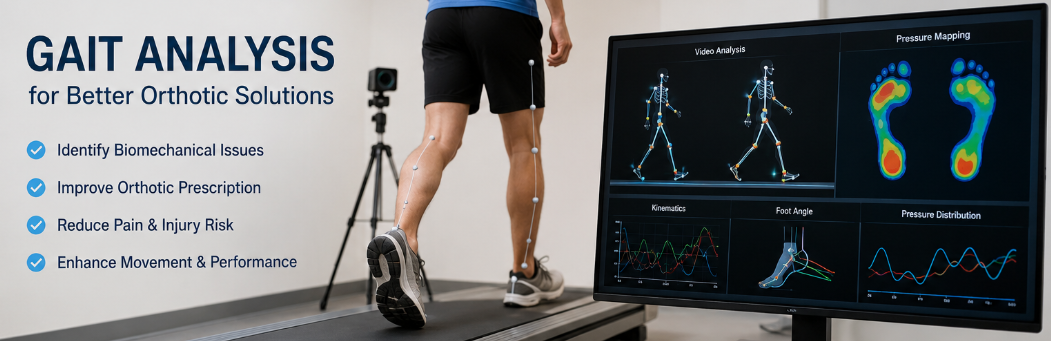
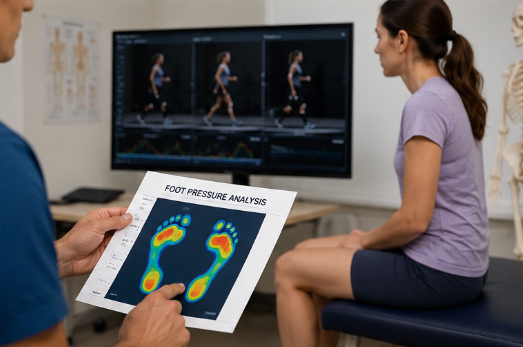
Video Gait Analysis
This is currently the most common assessment method in clinical settings.
Using slow-motion video, clinicians can evaluate:
- Stride length
- Cadence
- Foot rotation
- Knee tracking
- Body weight transfer
Its biggest advantage is simplicity and visual clarity.
Many patients only recognize their movement problems after seeing themselves walk on video.
Plantar Pressure Analysis
This technology uses pressure platforms or smart insoles to record:
- Pressure distribution
- High-pressure zones
- Center of pressure movement
It is especially useful for:
- Running injuries
- Diabetic foot management
- Forefoot pain assessment
In many cases, abnormal pressure patterns exist long before pain develops.
3D Motion Analysis
This is a more advanced biomechanical assessment system.
It is commonly used in:
- Sports medicine centers
- Complex rehabilitation cases
- Research institutions
Using AI-assisted motion capture systems, clinicians can analyze:
- Joint angles
- Muscle coordination
- Movement efficiency
Although expensive, this technology represents the future of gait evaluation.
How Gait Analysis Influences Orthotic Design
Many people assume custom orthotics simply “support the arch.”
In reality, effective orthotic therapy is much more complex.
The primary goal is:
To optimize movement mechanics and redistribute loading during motion.
Overpronation
This is one of the most common biomechanical problems.
When the foot collapses inward during walking, it may lead to:
- Internal tibial rotation
- Increased knee stress
- Excessive plantar fascia tension
Orthotic solutions often include:
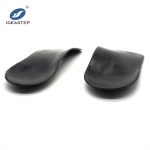
- Medial arch support
- Rearfoot stabilization
- Pronation control features
Pes Cavus (High-Arched Foot)
High arches are not always healthier than flat feet.
Because shock absorption is reduced, patients with pes cavus are often more vulnerable to:
- Forefoot pressure concentration
- Stress fractures
- Achilles tendon problems
Orthotics for these patients typically emphasize:
- Cushioning
- Shock absorption
- Pressure redistribution
Why More Athletes Are Prioritizing Gait Analysis
In the past, many sports injuries were treated only after pain appeared.
Modern sports medicine now focuses more on identifying risk early.
Gait analysis can reveal:
- Unstable landing mechanics
- Asymmetrical loading
- Compensation patterns
- Long-term movement deviations
These problems often exist long before symptoms develop.
As a result, more:
- Runners
- Marathon athletes
- Soccer players
- Basketball players
are using gait analysis to improve performance and reduce injury risk.
Who Should Consider a Professional Gait Assessment?
You may benefit from gait analysis if you experience:
- Recurring foot pain
- Knee discomfort after running
- Flat feet or high arches
- Fatigue after prolonged standing
- Uneven shoe wear
- Frequent sports injuries
- Diabetic foot risk concerns
Especially if:
“The problem keeps returning, but nobody has identified the true cause.”
FAQ About Gait Analysis
How long does a gait analysis take?
Basic assessments usually take between 30 minutes and 1 hour. Advanced sports evaluations may require more time.
Is gait analysis painful?
No. Most assessments involve normal walking, running, or standing evaluations.
What is the difference between gait analysis and foot scanning?
Foot scanning mainly evaluates static foot shape.
Gait analysis focuses on real-time movement mechanics and dynamic loading patterns.
Should children undergo gait analysis?
Children may benefit from assessment if they show:
- In-toeing gait
- Frequent tripping
- Severe flat feet
- Poor movement coordination
Conclusion: Orthotic Care Is Moving from Experience-Based to Data-Driven
In the past, orthotic prescriptions relied heavily on clinical experience alone.
Today, with the advancement of biomechanics, AI, and digital healthcare, gait analysis is helping clinicians deliver more precise and personalized treatment.
Modern orthotic therapy is no longer just about treating where the pain occurs.
It is about identifying the true source of dysfunction.
For patients, a properly designed orthotic device does more than improve comfort.
It helps restore healthier movement patterns throughout the body.
And gait analysis is where that process begins.
Related Post:The Role of Prefabricated Insoles in Correcting Gait