
3D printed orthopedic insoles are changing how clinics, footwear brands, and OEM manufacturers design and deliver foot support products. Instead of relying on traditional molds, manufacturers now combine digital foot scanning with additive manufacturing to build more precise and customizable orthotic solutions.
In many clinical and production settings, this shift comes from a clear demand for better consistency, faster development cycles, and more individualized foot support.
What Are 3D Printed Orthopedic Insoles?
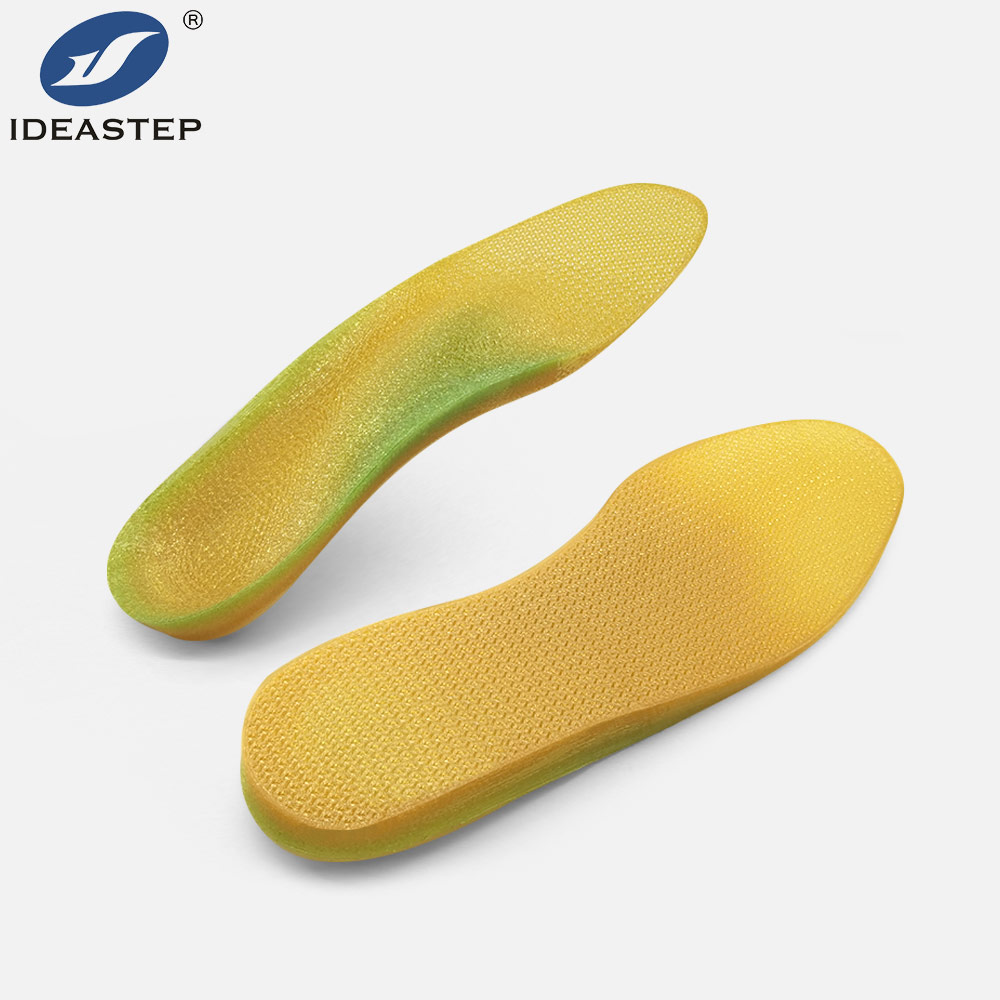
3D printed orthopedic insoles refer to custom or semi-custom foot support devices built through additive manufacturing. Designers create the structure using digital foot scans, pressure data, and biomechanical models.
Clinics, footwear brands, and OEM manufacturers apply them in different scenarios:
- Podiatry clinics that provide patient-specific support
- Footwear brands that build functional product lines
- OEM/ODM manufacturers that develop customized insole programs
- Rehabilitation and sports performance applications
Compared with traditional EVA molded insoles, 3D printed orthotics give engineers more control over structure and allow better adaptation to individual foot conditions.
Why Clinics and Footwear Brands Adopt 3D Printed Insoles
More Accurate Clinical Support
Clinics increasingly turn to 3D printed insoles when treating plantar fasciitis, flat feet, and overpronation. Digital foot data helps clinicians connect biomechanical needs directly with insole structure.
In practice, this reduces repeated trial fittings and improves daily treatment efficiency.
Faster Development for Footwear Brands
Footwear brands use 3D printed insoles to shorten product development cycles. Instead of investing in mold tooling, development teams test multiple structures quickly and refine designs based on feedback.
This approach appears frequently in performance footwear and premium comfort product lines, where speed and flexibility drive competitiveness.
Flexible OEM Manufacturing Approach
3D printing removes many constraints from traditional tooling. OEM manufacturers now produce multiple structural designs within a unified workflow.
This flexibility supports both small-batch customization and scalable production across different markets.
Core Design Structure of 3D Printed Orthopedic Insoles
Biomechanical Support System
Designers build these insoles around foot biomechanics. Key elements include arch support, heel stabilization, and forefoot pressure relief.
Functional Zoning Design
- Shock absorption zone – reduces impact during walking
- Support zone – maintains arch alignment
- Stability zone – controls excessive motion
This zoning structure helps balance comfort with functional support.
Personalized Geometry Adjustment
3D printed orthotics allow engineers to adjust arch height, heel structure, pressure distribution, and flexibility levels with high precision.
This makes them suitable for users ranging from daily wear to athletic performance.
Materials Used in 3D Printed Orthopedic Insoles
TPU (Thermoplastic Polyurethane)
TPU plays a central role in most 3D printed insole systems because it combines flexibility with durability. It performs consistently under repeated stress and supports long-term use.
EVA + TPU Hybrid Structures
Some manufacturers combine EVA with TPU to balance cushioning and structural stability. EVA improves comfort, while TPU strengthens support performance.
Medical-Grade Elastomers
In clinical applications, elastomer materials help improve elasticity and reduce deformation under long-term loading conditions.
Manufacturing Process
1. Digital Foot Scanning
Technicians capture foot geometry and pressure distribution through 3D scanning systems. This data forms the base for all customization work.
2. CAD Design
Engineers convert scan data into orthotic models and refine the structure based on biomechanical requirements and testing feedback.
3. 3D Printing
3D printers build insoles layer by layer, which ensures high precision and consistent output across production batches.
4. Post-Processing
Manufacturers complete final trimming, surface treatment, and quality checks to ensure comfort and stability.
Clinical Value
Clinics use 3D printed insoles to improve alignment, reduce abnormal pressure, and support more stable gait patterns.
They also shorten delivery cycles, which improves patient experience and increases treatment compliance.
OEM & ODM Value for Footwear Brands
Faster Time to Market
Brands develop and validate new designs without traditional mold investment, which significantly reduces development time.
Product Differentiation
3D printed insoles help brands position their products as advanced, personalized, and technology-driven solutions.
Flexible Production
Manufacturers adjust output between small-batch customization and large-scale production based on market demand.
Industry Trends
The orthotic insole industry continues to move toward digital design, AI-based gait analysis, and mass customization. OEM workflows increasingly integrate these technologies into product development systems.
How to Choose a Manufacturer
B2B buyers evaluate suppliers based on engineering capability, production stability, material knowledge, and OEM experience.
A reliable partner understands both clinical requirements and footwear product development needs, and can support long-term collaboration.
FAQ
What are 3D printed orthopedic insoles?
3D printed orthopedic insoles use digital scanning and additive manufacturing to create custom foot support based on foot structure and pressure data.
Are 3D printed insoles better than traditional insoles?
They deliver higher customization accuracy and faster development speed. Traditional insoles still work well for basic support and manual fitting needs.
What materials do manufacturers use for 3D printed insoles?
Manufacturers use TPU, EVA-TPU hybrid structures, and elastomer materials depending on performance and application requirements.
Can 3D printed insoles support OEM production?
Yes. OEM and ODM manufacturers fully customize structure design, branding, and material combinations for different markets.
Conclusion
3D printed orthopedic insoles represent a shift toward digital and data-driven foot support solutions. They combine biomechanical design with scalable manufacturing.
For clinics, they improve efficiency and treatment outcomes. For footwear brands and OEM manufacturers, they create a flexible pathway into the growing orthopedic footwear market.
For companies developing orthopedic insole programs, partnering with an experienced OEM manufacturer helps ensure stable production and consistent product quality.
Related product links: https://www.aideastep.com/product/3d-10-precision-alignment-3d-printed-orthotic-insole-structured-support-foot-position-control/.