As global demand for functional footwear and medical-grade comfort solutions rises, clinics, footwear brands, and OEM manufacturers increasingly adopt instant custom orthotic insoles.
Traditional custom orthotics often require long production cycles and multiple fitting visits. In contrast, instant custom orthotic systems shorten the path from assessment to delivery and help clinics and brands respond faster to market needs.
This shift reflects a growing industry focus on efficiency, scalability, and clinically reliable performance.
What Are Instant Custom Orthotic Insoles?
Instant custom orthotic insoles are semi-custom or modular insole systems that adapt quickly to different foot types, pressure patterns, and clinical requirements. They sit between prefabricated insoles and fully bespoke medical orthotics.
Clinics and brands commonly use them in:
- Podiatry clinics for fast patient dispensing
- Orthopedic rehabilitation centers
- Footwear brands developing functional product lines
- OEM/ODM manufacturers serving international markets
Compared with fully custom orthotics, instant systems reduce production time while maintaining clinically relevant support performance.
Why Clinics and Footwear Brands Move Toward Instant Custom Systems
Clinical Workflow Efficiency
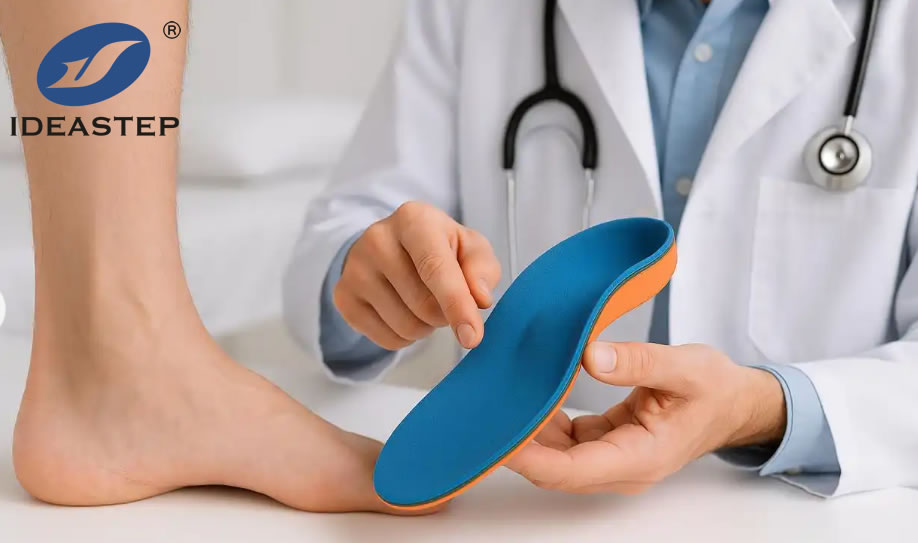
Podiatry and orthopedic clinics handle high patient volumes every day. Instant custom orthotic insoles help clinicians deliver immediate support for conditions such as plantar fasciitis, heel pain, and mild overpronation.
This approach reduces waiting time and allows practitioners to focus more on diagnosis and treatment planning.
Faster Product Development for Footwear Brands
Footwear manufacturers expanding into orthopedic or functional footwear need shorter development cycles.
Instead of building fully bespoke orthotic tooling, brands use instant custom platforms to test concepts, validate user groups, and accelerate product launches.
Many OEM orthotic projects now rely on this approach because it balances speed and scalability.
Scalable Solution for OEM & ODM Manufacturing
Instant customization reduces dependence on complex individual tooling. OEM partners maintain stable production while offering multiple product variations across different markets.
This approach also helps control cost structures in large-volume orthotic programs.
Why Material Selection Matters in Orthotic Insole Development
Material selection does not only affect comfort. It directly influences how an insole performs under repeated mechanical stress, how it maintains shape, and how efficiently manufacturers produce it at scale.
During real OEM development projects, engineers adjust material combinations multiple times to balance cushioning, stability, and durability.
Core Materials Used in Professional Orthotic Insoles
EVA (Ethylene Vinyl Acetate)
EVA remains one of the most widely used materials in orthotic systems. Most OEM projects start material selection with EVA because it delivers predictable molding behavior during heat forming and stable performance in mass production.
Key advantages include:
- Heat-moldable structure for instant customization
- Adjustable density for different support levels
- Reliable shock absorption performance
- Cost efficiency for OEM production
You will often see EVA in running shoes, work boots, and clinic-grade orthotic programs because it performs reliably across different loading conditions.
PU Foam for Long-Term Support
Polyurethane (PU) supports long-term durability in premium orthotic systems. It maintains structural stability even under repeated compression, which makes it suitable for high-usage environments.
Gel and TPU Reinforcement Components
Advanced designs integrate gel inserts and TPU elements to improve pressure relief and structural control.
Manufacturers place these components in heel and forefoot zones where pressure concentrates during walking or standing.
Medical-Grade Top Covers
The top cover plays an important role in comfort and hygiene. Manufacturers use antimicrobial fabrics, breathable mesh, and moisture-control textiles to reduce heat buildup and friction during long-term wear.
Instant Customization Technologies in Orthotic Systems
Heat Molding Technology
Heat molding shapes insoles quickly to match foot anatomy. Clinics use this method widely because it enables immediate fitting.
CAD/CAM Digital Design
CAD/CAM systems allow precise adjustment of arch height, heel cup depth, and pressure distribution zones. OEM manufacturers use this technology to improve consistency across production batches.
Modular Orthotic Systems
Modular designs combine different support components based on user needs. This structure increases flexibility in both clinical and retail applications.
Clinical Value of Instant Custom Orthotic Insoles
Clinics use instant custom orthotic insoles to improve patient comfort and functional support.
Improved Patient Comfort
Orthotic systems reduce discomfort caused by prolonged standing, walking, and biomechanical imbalance.
Support for Common Foot Conditions
Clinics frequently apply these insoles for:
- Plantar fasciitis
- Flat feet
- Heel pain
- Overpronation
Enhanced Gait Stability
Orthotic insoles improve alignment and pressure distribution, which supports more stable and efficient gait patterns.
OEM & ODM Advantages for Footwear Brands
B2B buyers gain clear commercial benefits from instant custom orthotic insoles beyond clinical performance.
Faster Time to Market
Shorter development cycles help brands launch new products faster and respond quickly to market demand.
Custom Branding Opportunities
Manufacturers support:
- Logo embossing and branding
- Custom packaging design
- Material and color customization
Scalable Production Capability
OEM partners maintain stable batch production and consistent quality control while serving different order volumes.
Multi-Segment Market Application
Brands apply these insoles in:
- Medical and orthopedic markets
- Sports and performance footwear
- Work and safety shoes
- Private-label retail programs
Industry Trends in Orthotic Insole Development
Digital Foot Scanning Integration
3D foot scanning improves measurement accuracy and customization precision in modern workflows.
Data-Driven Design Optimization
Pressure mapping and gait analysis help engineers refine orthotic structures using real biomechanical data.
Sustainable Material Development
The industry gradually shifts toward eco-friendly EVA and recyclable foam materials while maintaining performance standards.
How to Choose a Reliable Orthotic Insole Manufacturer
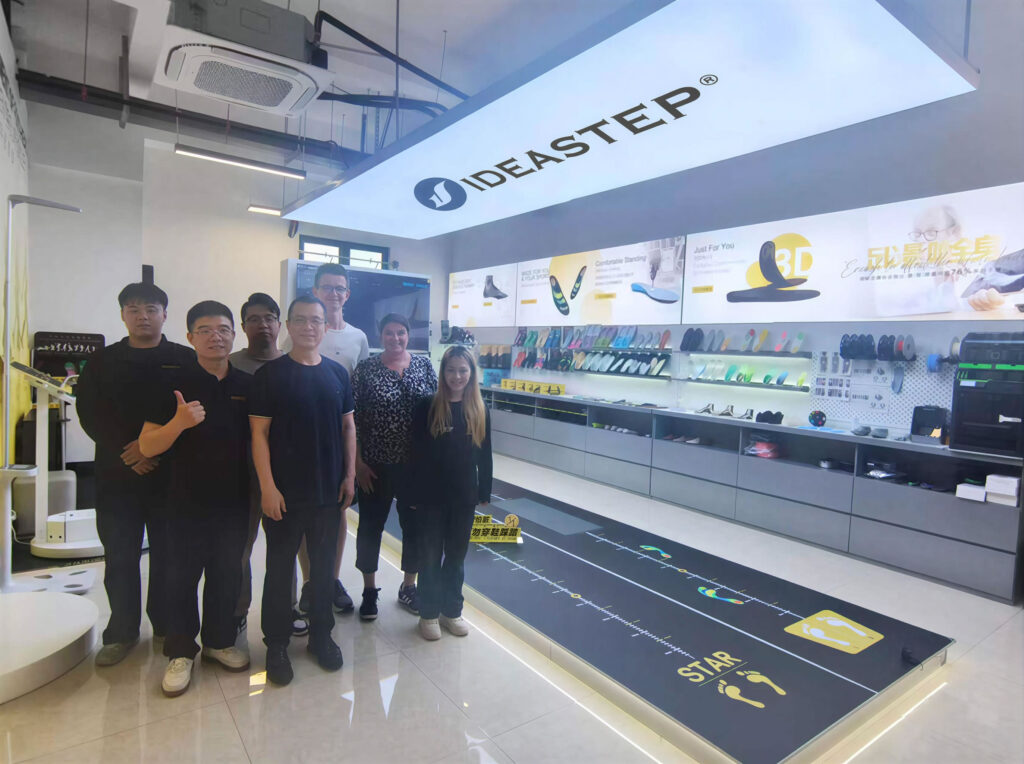
B2B buyers should evaluate several key capabilities when selecting an OEM or ODM partner:
- Biomechanical design capability
- Material engineering experience
- OEM/ODM customization support
- Production scalability and stability
- Quality control systems
- Industry and clinical application experience
A strong manufacturer supports both clinical requirements and commercial footwear development needs.
Frequently Asked Questions (FAQ)
What are instant custom orthotic insoles?
They are semi-custom orthotic systems designed for fast fitting and scalable production while maintaining functional foot support and comfort.
Are they suitable for clinical use?
Yes. Clinics and orthopedic centers use them widely for common foot conditions and supportive care.
What materials are commonly used?
EVA, PU foam, gel inserts, TPU reinforcements, and medical-grade textile covers form the core material system.
Can they be customized for OEM projects?
Yes. Manufacturers support full OEM/ODM customization including structure design, branding, materials, and packaging.
Conclusion: A Scalable Solution for Clinics and Footwear Brands
Instant custom orthotic insoles represent a practical evolution in modern foot support systems. They combine clinical functionality with manufacturing efficiency and serve both healthcare providers and footwear companies.
Clinics use them to improve service efficiency. Footwear brands and OEM manufacturers use them to enter and scale in the orthotic and functional footwear market.
Companies that want to develop orthotic insole product lines can benefit from working with experienced OEM manufacturers that ensure stable quality, scalable production, and market-ready customization.