EVA (ethylene-vinyl acetate) is widely used in footwear manufacturing due to its low density, flexibility, and cushioning properties. In outsole applications, however, material selection must also account for abrasion resistance, traction, flex performance, and dimensional stability.
For footwear manufacturers, material distributors, and wholesale buyers, understanding EVA formulations and production methods is essential when evaluating outsole materials. This guide covers material composition, key physical properties, manufacturing processes, and quality control requirements.
1. Understanding EVA as an Outsole Material
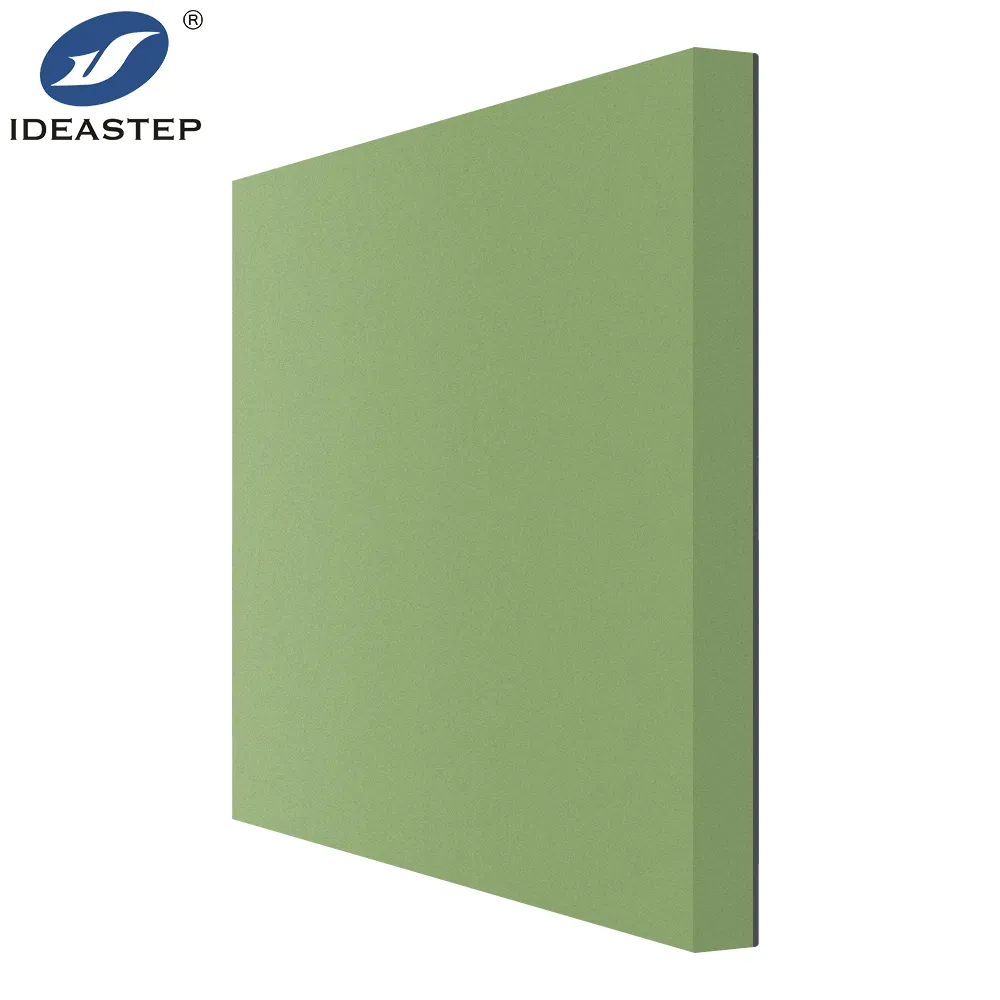
EVA is a copolymer of ethylene and vinyl acetate. Its physical properties can be adjusted through formulation and processing, making it suitable for various footwear components.
In footwear production, EVA is more commonly used in midsoles and cushioning structures. It can also serve as an outsole material in selected designs, either independently or in combination with rubber and other materials.
Its main characteristics include:
- Low density: EVA foam helps reduce footwear weight.
- Flexibility: Its flexibility can be adjusted through material formulation and foam structure.
- Cushioning: Its cellular structure provides compression and shock-absorption characteristics.
- Processability: EVA supports several molding methods used in footwear production.
- Design flexibility: Density, hardness, color, thickness, and surface patterns can be customized.
These properties make EVA suitable for lightweight footwear construction. However, abrasion resistance and traction depend on the formulation, foam structure, and finished outsole design. Material selection should therefore reflect the actual application.
2. EVA Formulation and Material Selection
EVA formulation directly affects the physical properties and processing behavior of the finished product. Manufacturers adjust resin grades and additives according to the required performance and molding process.
Vinyl Acetate Content
Vinyl acetate (VA) content influences EVA flexibility and mechanical behavior. Different grades offer different processing characteristics, so manufacturers select the appropriate grade according to the required hardness, flexibility, and foam structure.
VA content alone does not determine finished-product performance. The complete formulation and processing conditions must also be considered.
Foaming and Crosslinking Agents
Foaming agents create the cellular structure responsible for EVA foam’s low density and cushioning characteristics. Crosslinking agents help form the polymer network during processing and influence the foam’s mechanical properties and dimensional stability.
Incorrect dosage or inconsistent processing can result in uneven cell structures, density variation, and dimensional defects.
Fillers, Pigments, and Additives
Fillers, pigments, stabilizers, and other additives can modify processing behavior, appearance, and selected material properties.
For outsole applications, formulation adjustments should balance weight, flexibility, abrasion resistance, and production cost. Changes to the additive system should be validated through material testing before mass production.
3. Key Physical Properties to Evaluate
Not every EVA formulation meets the requirements of every outsole design. Buyers should establish measurable specifications before approving materials or production samples.
| Property | Technical Significance | What to Check |
|---|---|---|
| Density | Affects product weight and foam structure | Specified value and batch consistency |
| Hardness | Influences firmness and deformation | Hardness value and test method |
| Compression set | Indicates permanent deformation after compression | Recovery under defined test conditions |
| Flex resistance | Relates to repeated bending performance | Cracking or damage after flex testing |
| Abrasion resistance | Indicates resistance to surface wear | Material loss under a specified test |
| Tensile strength and elongation | Measure resistance to pulling and stretching | Results against product specifications |
| Slip resistance | Relates to outsole traction | Performance on specified surfaces |
Test results must be interpreted according to the test method and conditions. For example, hardness readings depend on the testing scale and specimen preparation. Buyers should use consistent methods when comparing materials from different suppliers.
4. EVA Outsole Manufacturing Processes
EVA outsole production generally involves material compounding, molding, cooling, finishing, and inspection. The specific process depends on the formulation, mold design, product structure, and production requirements.
Material Compounding
EVA resin is blended with foaming agents, crosslinking agents, and other additives before molding. Mixing equipment distributes these ingredients throughout the compound.
Material ratios, mixing conditions, and batch consistency require close control. Poor dispersion can affect foaming behavior, color uniformity, and finished-product properties.
Compression Molding
Compression molding is commonly used to produce EVA foam footwear components.
The prepared compound is loaded into a mold, where heat and pressure initiate crosslinking and foaming. The material expands to fill the mold cavity and form the required shape.
After molding, the component undergoes cooling and demolding. Mold temperature, pressure, material loading, and cycle time must match the formulation and product design.
Proper mold design and process control help maintain dimensional accuracy and reduce molding defects.
Injection Molding
Injection molding feeds EVA compound into a mold through an injection system. The process can produce shaped footwear components with defined dimensions and surface details.
Material preparation, injection conditions, mold temperature, and cooling influence the final foam structure and product quality. The equipment and process settings must be compatible with the selected EVA grade.
Secondary Processing and Finishing
After molding, EVA components may require additional operations, including:
- Trimming excess material
- Surface cleaning and finishing
- Bonding with rubber or other outsole materials
- Assembly with the midsole or upper
- Printing, coloring, and product marking
For multi-material constructions, bonding performance requires particular attention. Surface preparation, adhesive selection, and bonding conditions should be validated for each material combination.
5. EVA Outsole Designs and Material Combinations
Outsole construction must balance material performance, footwear design, and production requirements. A formulation suitable for one application may not meet the demands of another.
Single-Material EVA Construction
Some footwear designs use EVA as the primary outsole material. This construction supports lightweight designs and allows manufacturers to customize thickness, shape, and tread patterns.
For applications involving frequent ground contact, buyers should verify abrasion and traction performance through appropriate testing.
EVA and Rubber Combinations
Combining EVA with rubber can balance lightweight construction with the wear resistance and traction requirements of selected outsole areas.
Depending on the design, rubber may be applied as outsole patches or as a separate layer. Buyers should evaluate bonding strength, component placement, and the performance of the assembled sole.
Multi-Density EVA Construction
Multi-density designs combine EVA materials with different densities within one sole structure. This allows manufacturers to vary firmness and deformation characteristics across selected areas.
Production requires control over material compatibility, molding conditions, and bonding between sections. Sample testing should confirm that the finished structure meets the specified requirements.
6. Quality Control in EVA Outsole Production
Quality control should cover incoming materials, manufacturing processes, and finished products. Inspection criteria must reflect the formulation and construction of the outsole.
Incoming Material Inspection
Verify material grades, batch identification, color, and relevant technical documentation against approved specifications.
In-Process Inspection
Monitor material loading, molding conditions, cycle time, and cooling. Variations in these parameters can affect foam density, dimensions, and surface quality.
Finished Product Inspection
Inspect finished EVA outsoles for:
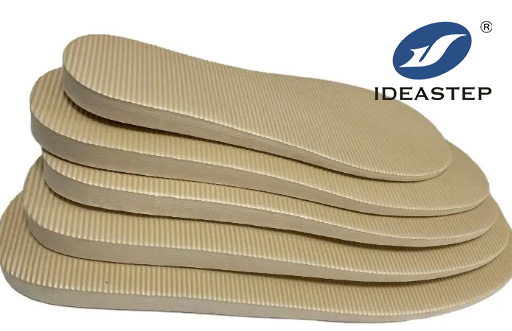
- Length, width, thickness, and dimensional accuracy
- Density and hardness against specifications
- Incomplete molding, visible cracks, and surface defects
- Color consistency and surface finish
- Bonding quality in multi-material constructions
- Abrasion, flex, and slip-resistance test results, where required
Define inspection methods and acceptance limits before mass production. Approved samples and batch records also provide useful references for repeat orders.
7. How to Evaluate EVA Outsole Suppliers
For wholesale buyers, a supplier’s material knowledge and production consistency are as important as its quoted price. Evaluate manufacturers against the following criteria:
- Material expertise: Can the supplier explain EVA grades, formulation options, and physical properties?
- Manufacturing capability: Does the factory have suitable compounding and molding processes?
- Customization: Can it adjust hardness, density, color, dimensions, and surface patterns?
- Quality control: Are material inspections and production checks documented?
- Sample development: Can the supplier produce samples for specification approval?
- Production capacity: Can it support the required order volume and repeat production schedule?
Also confirm MOQ, sample costs, production lead time, packaging requirements, and procedures for handling specification changes.
For customized projects, approve the material formulation, mold specifications, color references, and product dimensions before bulk production begins.
8. Key Considerations for EVA Outsole Sourcing
Selecting EVA outsole materials requires more than comparing density and hardness. Abrasion resistance, flex performance, traction, bonding, and dimensional stability must also match the intended footwear application.
For wholesale purchasing, documented material specifications and an approved production sample provide a reliable basis for supplier evaluation and quality control. They also help maintain consistency across repeat orders.
Discuss Your EVA Footwear Material Requirements
Ideastep supplies EVA materials and supports B2B projects involving footwear components, customized material specifications, and bulk supply. Our team can discuss material requirements, product dimensions, and suitable configurations based on your project.
Contact our team to discuss your EVA material sourcing requirements.
Recommended Reading: Stable Arch Support & OEM Supply: TPU Orthotic Shell for Custom Orthotics.