Why TPU Orthotic Shells Are the Preferred Rigid Base for Custom Orthotics
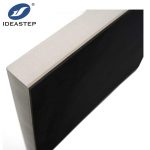
Finished custom orthotics rely on a consistent rigid foundation to deliver targeted biomechanical control. The orthotic shell bears arch loading and governs rearfoot motion, separating it from cushion-only substrates such as EVA and cork. TPU competes with polypropylene and carbon fibre as a structural base material, with distinct tradeoffs across flexibility, fatigue resistance, thermoformability, weight and machining cost.
This shell is widely adopted for three B2B workflows: in-clinic chair-side thermoforming, mass production of branded custom orthotics, and high-demand orthoses for athletic and heavy-duty applications targeting flexible flatfoot and cavus foot presentations.

Core Performance Benefits of TPU Orthotic Shells for Wholesale Buyers
Long-Term Arch Stability and Fatigue Resistance
Repeated gait loading causes many rigid substrates to slowly deform or fracture. Properly formulated TPU maintains its engineered arch contour through thousands of loading cycles, reducing premature support failure and associated follow-up issues for clinic and brand partners.
Controlled Thermoforming Window for In-Clinic Adjustment
The material responds predictably to standard orthotic heat guns. It softens evenly within a defined temperature range, allows reshaping, and locks into stable geometry once cooled. Consistent thermoformability cuts waste and failed fittings for practitioners.
Impact Toughness and Low Brittle Failure
Compared with rigid polypropylene, TPU absorbs impact and resists cracking under dynamic load. This makes it suitable for athletic orthoses, occupational orthoses and cases where users carry higher body weight.
Machinable for Secondary Modification
Blank TPU shells can be trimmed, sanded, notched and drilled. Clinicians and production teams easily contour edges, create cutouts or prepare the shell for bonding to top covers, EVA foams and posting wedges.
Low Profile Design
The material delivers structural rigidity without excessive thickness. It fits within standard shoe lasts and avoids fit complaints from tight footwear.
OEM & ODM Wholesale Programme for TPU Orthotic Shells
Customisable Technical Parameters
Our engineering team adjusts arch geometry, shell thickness, rigidity grade, blank outline and pre-drilled cutouts to your specifications. Additional customisation includes laser marking, pre-laminated top layers, colour coding and private-label packaging. You may submit your own packaging artwork or select standard bulk packaging for faster lead times.
Two Sourcing Routes: Standard Blanks and Bespoke 3D Moulded Shells
Stock blank shells cover common arch profiles for fast ordering and lower entry cost. For proprietary orthotic lines, we accept CAD drawings and exported 3D foot scan files to build brand-exclusive tooling.
Sampling, MOQ and Lead Times
Flexible minimums let clinics and emerging orthotic brands test shell grades before committing to large production runs. The sampling phase verifies rigidity, thermoforming behaviour and edge finish prior to mass production. Timelines are fixed once specs and sample approval are completed.
Export Documentation and Compliance
We supply material certificates and technical data sheets for shipments to the EU and North America. These shells are sold as structural orthotic bases, not finished medical devices, unless validated and certified under your local regulatory framework. All documentation supports internal clinical compliance reviews.
Partner Technical Resources
We provide rigidity selection guides and thermoforming reference sheets for your clinical or production teams. These documents reduce operator error and streamline practitioner training.
Primary Clinical and Product Applications
Orthotic Base for Cavus Foot
Rigid TPU shells control excessive supination and distribute load across the lateral foot for high arch presentations.
Rigid Support for Flexible Flatfoot
The shell limits excessive pronation and stabilises the medial arch, often combined with soft top layers for patient comfort.
Athletic Custom Orthotics
Balanced rigidity and impact resistance suit runners and field sport users requiring dynamic gait control.
Combined Modular Orthotic Builds
TPU shells work as the structural core, paired with EVA top layers, metatarsal pads and EVA wedge postings for fully customised gait correction.
Long-Term Weight-Bearing Orthoses
Durability makes this substrate appropriate for daily use orthoses for heavier users and occupational standing protocols.
Critical Sourcing Checks for TPU Orthotic Shells
Material Grade Separation: Virgin TPU vs Recycled Modified TPU
Recycled-blend TPU carries lower cost but inconsistent thermoforming and shorter fatigue life. Virgin medical-grade TPU delivers repeatable performance. We clarify this tradeoff during technical consultations to match grade with your product tier and budget.
Shell Thickness and Rigidity Matching
Arch support stiffness is driven by both material formulation and shell thickness. We share selection guidance to match shell specs to body weight, activity level and correction goals.
Thermoform Consistency
Batch-to-batch variation in melt behaviour causes clinic fitting failures. Our production controls maintain a tight thermoforming window across runs.
Edge Finishing and Stress Reduction
Poorly finished edges create stress risers that initiate cracking. All clinical-grade shells are deburred and contoured to minimise failure points.
Proper Storage Guidance
TPU degrades faster under prolonged UV exposure and high heat. We advise wholesale partners on warehouse storage conditions to preserve shelf stability.
Wholesale Buyer FAQs
Can TPU orthotic shells be assembled with EVA wedge inserts and cork layers?
Yes. This is a common modular build: the TPU shell provides fixed structural arch control, while EVA wedges deliver adjustable posting. Confirm final stack height remains compatible with target shoe styles.
How do TPU shells compare to polypropylene shells for product ranges?
Polypropylene is stiffer and lower cost for static orthoses. TPU offers superior impact toughness and forgiving thermoforming, preferred for sport, heavy-weight users and clinics that frequently rework orthotics.
Will my 3D scan geometry remain confidential after tooling is produced?
All custom moulds for OEM clients are reserved exclusively for your brand unless written reuse permission is provided.
Can TPU shell orders be combined with other orthotic accessory SKUs?
Mixed SKU shipments are supported. Consolidate shells, foams, wedges and pads to reduce freight expense.
Request Samples for Your TPU Orthotic Shell OEM Project
If you run a podiatry clinic, orthotic brand or foot care distribution company and plan to add TPU orthotic shells to your custom orthotic offering, reach out. Share your target arch profiles, rigidity requirements, intended thermoforming workflow and packaging needs. We will arrange sample testing and build a wholesale package aligned with your product roadmap.