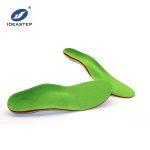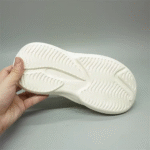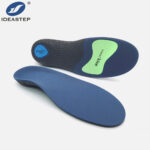
Sports injuries are a common problem for athletes and runners, and poor foot biomechanics are often one of the main causes behind knee pain, plantar fasciitis, and Achilles tendonitis. Increasingly, sports medicine experts believe that sports orthotics can help athletes prevent common injuries by improving foot support, optimizing gait, and reducing joint stress while also enhancing overall athletic performance.
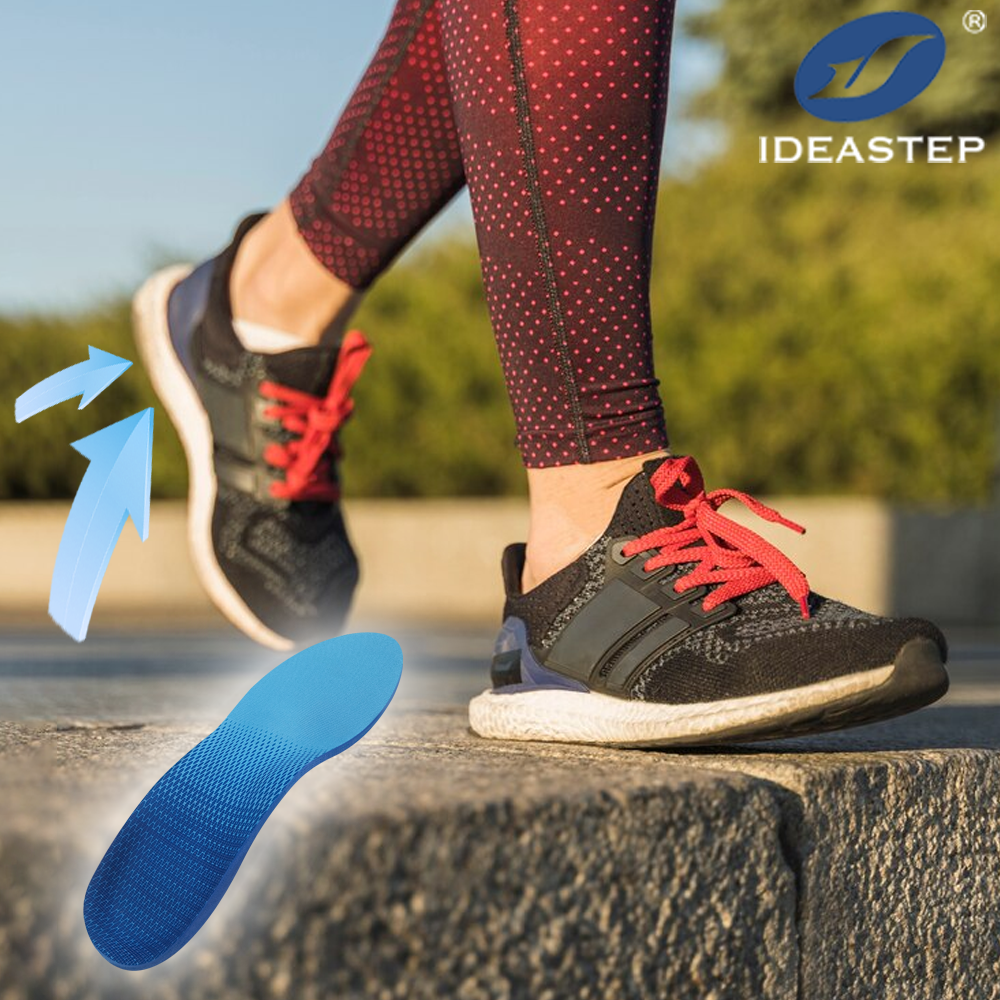
What Are Sports Orthotics?
Sports orthotics are functional shoe inserts specifically designed for athletic activities. Their main purpose is to improve foot alignment, stability, and pressure distribution during movement.
Common types of orthotics include:
- Custom Orthotics – Individually designed based on a person’s foot shape and gait pattern for more precise support.
- Over-the-Counter Insoles (OTC) – Pre-made inserts suitable for daily exercise and mild support needs.
Compared to regular insoles, sports orthotics focus more on:
- Arch support
- Shock absorption
- Gait stability
- Lower-body alignment
How Sports Orthotics Help Prevent Injuries
The feet are the foundation of the body’s kinetic chain. When foot alignment is off, stress can gradually transfer to the knees, hips, and even the lower back.
Sports orthotics help reduce injury risk by improving foot biomechanics. Their benefits may include:
- Reducing overpronation
- Improving landing stability
- Minimizing joint impact
- Enhancing gait balance
According to sports medicine research, many chronic athletic injuries are linked to uneven pressure distribution and repetitive stress. Proper foot support can help lower strain on the lower body and improve movement efficiency.
Common Sports Injuries Orthotics May Help Prevent
Plantar Fasciitis
Plantar fasciitis is especially common among runners. When the arch lacks proper support, the plantar fascia experiences excessive tension, leading to pain and inflammation.
Orthotics may help by:
- Providing arch support
- Redistributing foot pressure
- Reducing foot fatigue
Runner’s Knee
Poor foot alignment and excessive pronation can increase stress on the knees. Sports orthotics can improve lower-body alignment and help reduce knee strain during running and training.
Shin Splints
High-impact running often places repetitive stress on the lower legs. Cushioned orthotics may help absorb shock and reduce stress on the shin area.
Achilles Tendonitis
Insufficient heel stability can place extra tension on the Achilles tendon. Orthotics may improve heel support and reduce stress on the tendon during movement.
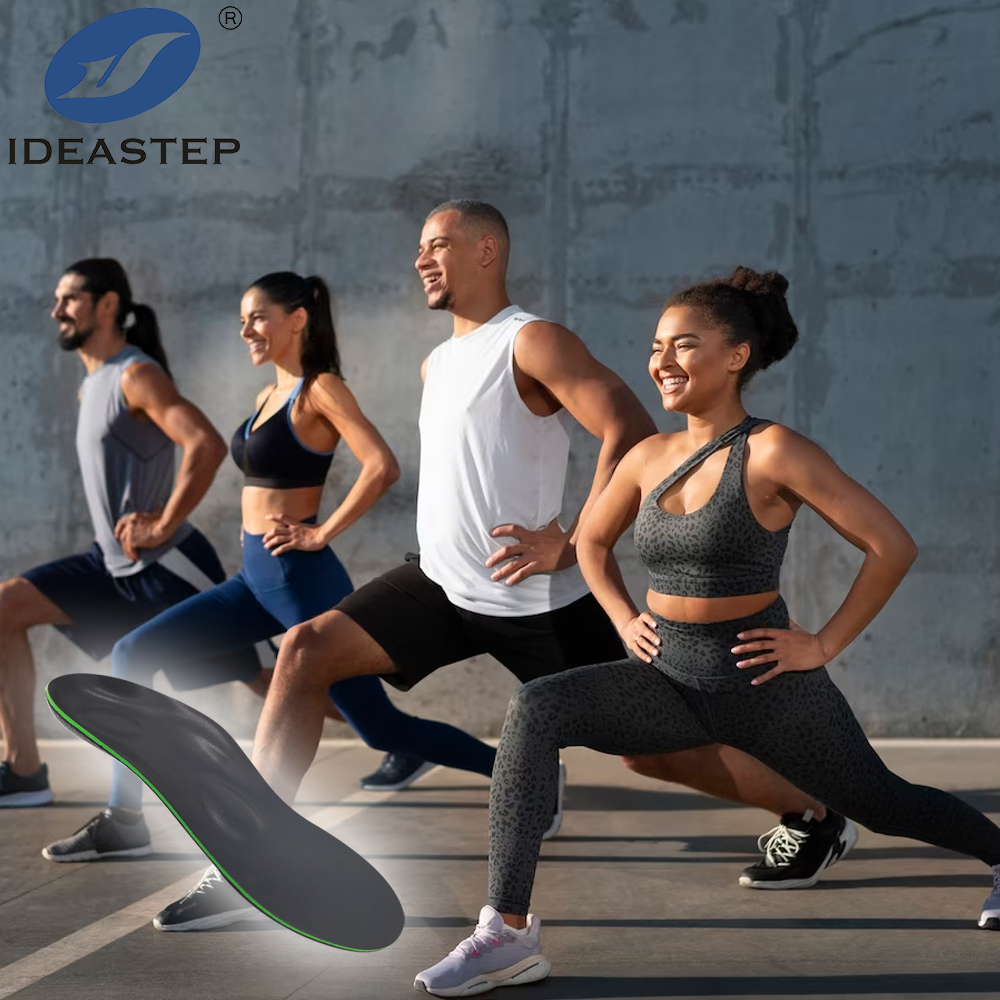
How Sports Orthotics May Improve Athletic Performance
Better Stability and Balance
Stable foot support is important for sports that involve quick direction changes, such as basketball and soccer.
Reduced Muscle Fatigue
Many runners experience knee pain or foot discomfort after increasing their training volume. Some athletes who use custom orthotics report reduced fatigue during long-distance training after improving arch support and foot alignment.
Improved Shock Absorption
Running and jumping continuously place stress on the joints. High-quality sports orthotics can help absorb some of that impact and improve overall comfort during training.
Who Can Benefit Most From Sports Orthotics?
Sports orthotics may be especially helpful for:
- Runners
- Basketball and soccer players
- People with flat feet or high arches
- Athletes with chronic knee or foot pain
- Individuals involved in high-intensity training
If you frequently experience:
- Foot pain
- Runner’s knee
- Lower leg fatigue
- Ankle instability
A professional gait assessment may help identify whether orthotics are right for you.
How to Choose the Right Sports Orthotics
Understand Your Foot Type
Different foot structures require different levels of support:
- Flat feet
- Neutral arches
- High arches
Consider Your Sport
Different sports place different demands on the feet:
- Running prioritizes cushioning
- Basketball requires stability
- Soccer benefits from flexible support
Seek Professional Advice
If you experience persistent pain or discomfort, consider consulting:
- A podiatrist
- A physical therapist
- A sports medicine specialist
Professional evaluations are often more effective than simply switching athletic shoes.
Conclusion
Sports orthotics have become an important tool in modern sports injury prevention. By improving foot biomechanics, optimizing gait, and reducing joint stress, they can help athletes lower the risk of common injuries while improving comfort and stability during physical activity.
However, orthotics are not a replacement for proper training and recovery. Combining supportive footwear, smart training habits, and professional guidance is still the best approach to preventing sports injuries.
FAQ
Do Orthotics Really Help Prevent Sports Injuries?
For injuries related to poor foot mechanics and uneven pressure distribution, orthotics can often provide meaningful support and injury prevention benefits.
Can Sports Orthotics Improve Athletic Performance?
Some athletes notice improvements in stability, shock absorption, and reduced fatigue when using properly fitted orthotics.
Are Custom Orthotics Better for Runners?
Custom orthotics may be more beneficial for runners dealing with flat feet, chronic knee pain, or recurring foot discomfort.
How Long Do Sports Orthotics Last?
Most sports orthotics last between one and three years, depending on training intensity and material quality.
Are Orthotics Worth It for Athletes?
For athletes who train frequently or experience recurring discomfort, high-quality sports orthotics can be a worthwhile investment.
You might also like these popular articles:Diabetic Shoe Insoles for People with Plantar Fasciitis