Introduction
As the global demand for sports health, foot care, and functional footwear continues to grow, Private Label Orthotic Insoles have become an increasingly popular opportunity for entrepreneurs and e-commerce brands.
Compared with building a factory from scratch, the private label model offers lower startup costs and is more suitable for new businesses entering the insole industry.
Whether you are an Amazon seller, Shopify store owner, or sports product entrepreneur, understanding orthotic insole manufacturing, supply chains, and market trends can help you enter the market more effectively.
This guide covers everything beginners need to know about private label orthotic insoles.
What Are Private Label Orthotic Insoles?
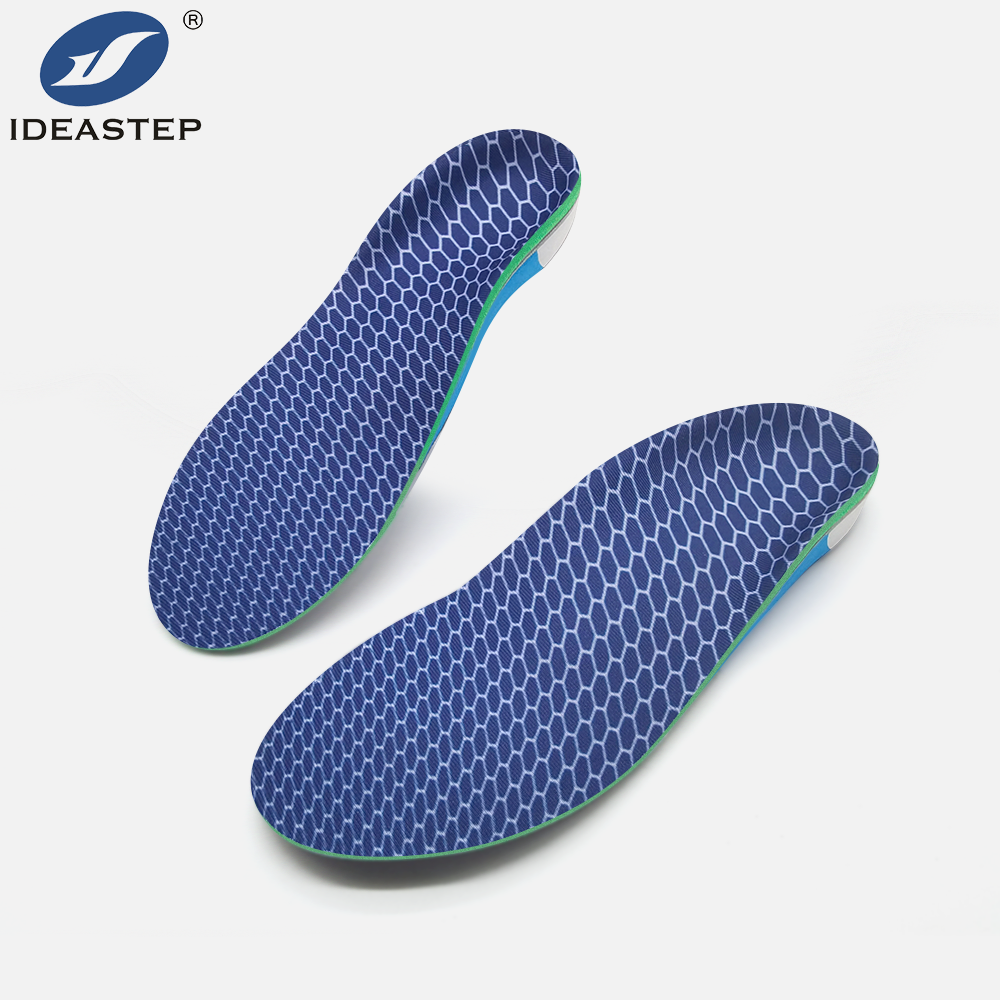
Private Label Orthotic Insoles are functional orthopedic insoles manufactured by a factory and sold under a brand’s own label.
Brands can customize:
- Logo
- Packaging design
- Material composition
- Arch support structure
- Cushioning system
- Product color
The biggest advantages of this model include lower barriers to entry, faster product development, and easier brand building.
Private Label vs OEM vs ODM
Private Label (Brand Labeling)
Existing factory products are sold under a brand’s label. This is ideal for beginners and small-scale market testing.
OEM (Original Equipment Manufacturing)
The brand provides product requirements, and the factory manufactures accordingly. This allows more customization such as structure, materials, and design.
ODM (Original Design Manufacturing)
The factory handles both design and production, while the brand focuses on marketing and sales.
Why Is the Orthotic Insole Market Growing?
Consumer awareness of foot health, running performance, and long-term comfort is increasing. As a result, demand for orthotic insoles continues to rise.
Key growth segments include:
- Sports orthotic insoles
- Flat feet support insoles
- Plantar fasciitis insoles
- Work boot insoles
Advantages of Private Label Orthotic Insoles
Lower Startup Costs
Compared to traditional manufacturing, private label models require less initial investment and reduce inventory risk.
Faster Product Launch
Experienced manufacturers already have molds, materials, and packaging systems in place, allowing faster market entry.
Stronger Brand Differentiation
Brands can customize packaging, positioning, and product features to target specific customer segments such as running, medical, or comfort users.
Stable Market Demand
Orthotic insoles are consumable products with consistent demand from runners, fitness users, and people who stand for long hours.
Common Types of Orthotic Insoles
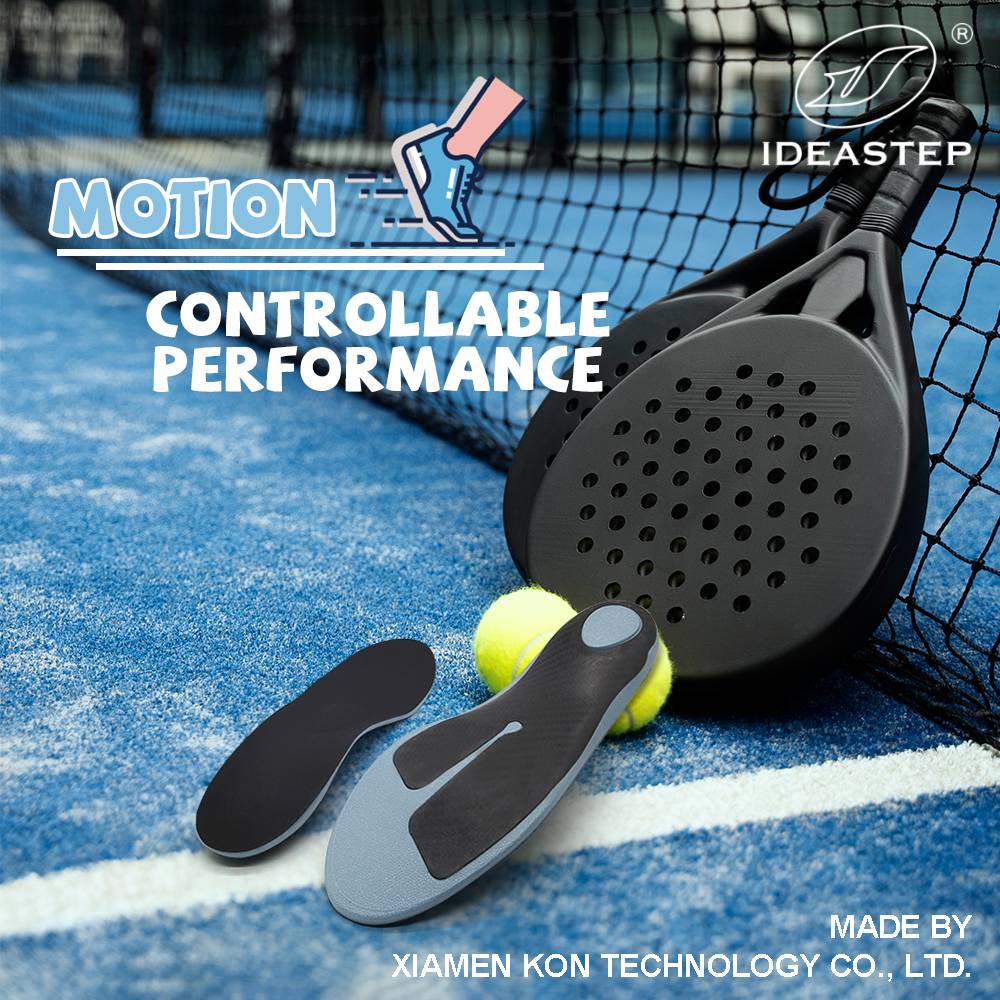
Sports Orthotic Insoles
Designed for running, basketball, and fitness training. They provide cushioning, stability, and impact protection.
Medical Orthotic Insoles
Used for conditions such as plantar fasciitis, flat feet, and heel pain, focusing on arch support and correction.
Comfort Insoles
Suitable for daily walking, commuting, and long-standing comfort needs.
Custom Molded Insoles
High-end customized insoles designed based on individual foot shape and biomechanical requirements.
Private Label Orthotic Insole Manufacturing Process
Step 1: Define Your Target Market
Identify whether your focus is sports, medical, work boots, or general comfort products, as this affects product design and materials.
Step 2: Find a Manufacturer
When selecting an orthotic insole manufacturer, consider experience, MOQ, material quality, certifications, and production capability.
Experienced manufacturers can provide more stable solutions in material selection, structural design, and long-term production consistency.
Step 3: Product Customization
Customization options include logo printing, packaging, materials, arch height, and cushioning structure.
Step 4: Sample Testing
Before mass production, sample testing is essential to evaluate comfort, durability, support, and sizing accuracy.
Professional suppliers usually recommend multiple rounds of sampling to ensure product quality meets market requirements.
Step 5: Sales and Distribution
Common channels include Amazon, Shopify, wholesale distribution, and social media marketing.
Common Challenges in Private Label Orthotic Insoles
Different Shoe Size Standards
US, EU, and Asian sizing systems vary significantly, requiring careful conversion and testing.
EVA Hardness Affects Comfort
Too hard reduces comfort, while too soft reduces support. Proper balance is required depending on use case.
Logo Durability Issues
Low-quality printing may fade or peel over time, especially under heavy use.
Low MOQ Increases Unit Cost
Smaller order quantities often lead to higher per-unit costs and less efficient packaging production.
Questions to Ask Before Choosing a Manufacturer
- Can you support low MOQ orders?
- What materials do you use?
- Do you offer packaging customization?
- Do you provide FDA or CE certifications?
- What is your lead time?
- Do you support sample revisions?
How to Choose a Reliable Orthotic Insole Supplier
Industry Experience
Choose suppliers with strong experience in sports or medical orthotic insoles and export markets.
Material Quality
Common materials include EVA, PU foam, gel cushioning, and carbon fiber, each affecting performance and durability.
Certifications
ISO, FDA, and CE certifications are important for international market access.
Avoid Focusing Only on Price
Very low prices often indicate compromised material quality and higher return risks.
Cost to Start a Private Label Orthotic Insole Brand
| Item | Estimated Cost |
|---|---|
| Sample Cost | $50–$300 |
| Packaging Design | $200–$1000 |
| MOQ Production | $1000+ |
| Shipping | Varies by region |
Future Trends in Orthotic Insoles
- Eco-friendly materials
- 3D printed insoles
- AI foot scanning
- Smart insoles
- Sustainable packaging
Start Your Private Label Orthotic Insole Project
Building a successful orthotic insole brand requires more than just product selection. It also depends on material quality, packaging design, supply chain stability, and long-term manufacturing support.
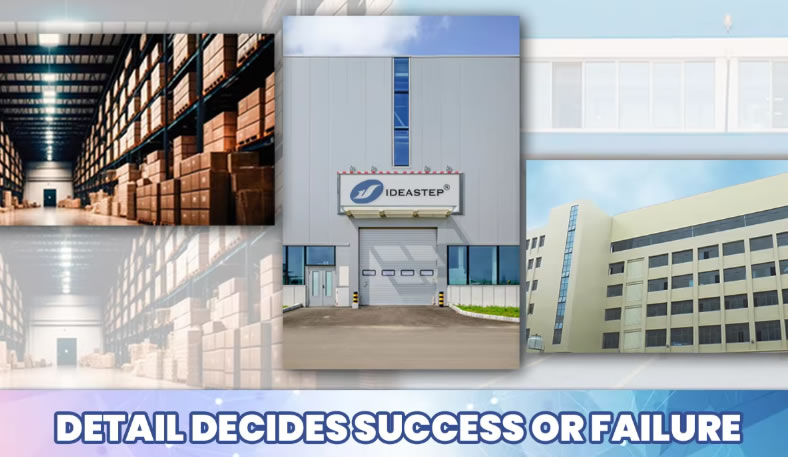
Ideastep specializes in private label orthotic insoles and OEM manufacturing solutions, providing customized insole development for sports, medical, and comfort footwear brands worldwide.
Conclusion
Private label orthotic insoles offer a low-barrier entry into a growing functional footwear market. However, long-term success depends on product quality, user experience, brand positioning, and supply chain reliability.
FAQ
What are Private Label Orthotic Insoles?
They are orthotic insoles manufactured by a factory and sold under a brand’s own label.
How much does it cost to start?
Typically a few thousand dollars depending on MOQ and packaging requirements.
What is the difference between OEM and Private Label?
Private label uses existing products with branding, while OEM involves custom product development.
Can I sell orthotic insoles on Amazon?
Yes, Amazon is a major channel for orthotic insole brands.
What materials are commonly used?
EVA, PU foam, gel cushioning, and carbon fiber are commonly used depending on performance requirements.
Interested in EVA? You can read more here:EVA material for custom insoles