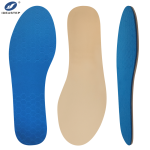
Footwear brands, distributors and clinical wholesale partners frequently encounter limitations with off‑the‑shelf insoles. Standard designs rarely match proprietary shoe‑last dimensions or meet clinical performance requirements. Drawing on hands‑on factory development experience, this article outlines practical custom insole design workflows for bulk OEM and ODM wholesale projects.
Key B2B Pain Points for Custom Insole Design Projects
- Footwear brands: Stock insoles conflict with in‑house shoe‑last specifications. Repeated sampling inflates costs without clear design‑parameter benchmarks.
- Wholesale distributors: Generic insoles fuel intense market competition. Many buyers cannot clearly distinguish existing‑pattern adjustments from full new‑mould investment, struggling to balance MOQ and product differentiation.
- Clinical wholesale partners: Multiple support‑grade variants are required for varied foot‑related use cases. Projects demand both mass‑produced finished insoles and trimmable blanks, alongside private‑label options for institutional product lines.
- Supply‑chain risks: Many manufacturers only offer fixed‑pattern products. Gaps between design drawings and mass‑produced output, plus overlooked export compliance, trigger avoidable project delays.
Core Technical Modules of Bulk Custom Insole Design
These core elements help buyers define clear requirements for manufacturing partners.
- Arch‑support structure: Arch height, support firmness and load‑bearing zones calibrated for flat, neutral and high‑arch applications.
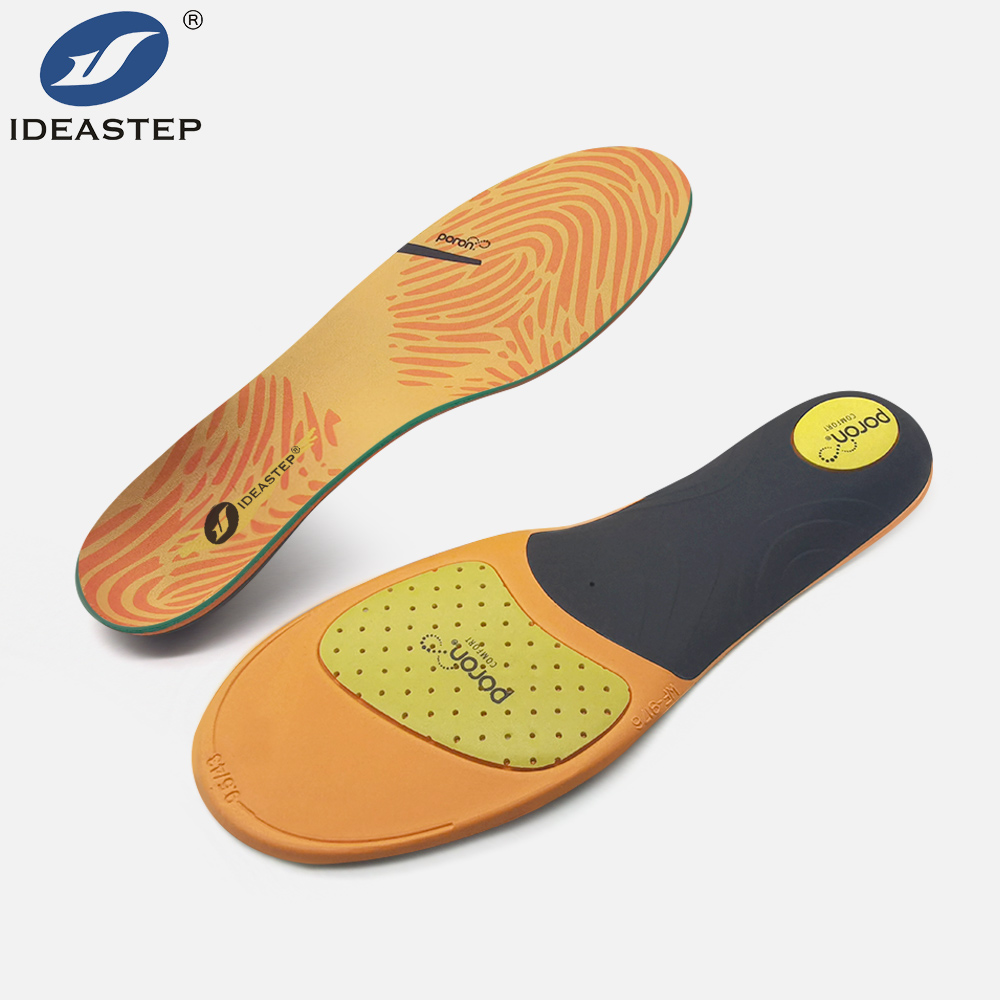
- Substrate lay‑up: Multi‑density EVA or composite foam, separating structural support layers from top‑cover fabrics to balance performance and comfort.
- Outer profile geometry: Overall thickness, full‑length or 3‑quarter footprint, engineered to fit target shoe‑cavity constraints.
- Branding integration: Logo embossing, fabric colourways, hang‑tags and private‑label packaging.
- Manufacturing process selection: Compression moulding, multi‑layer lamination or semi‑finished trim‑to‑fit blanks aligned with end‑use requirements.
Four OEM / ODM Design Models for Different Project Profiles
- Full‑spec OEM custom design: Buyers submit shoe‑last datasets and performance specifications. The factory executes complete new‑mould development, ideal for high‑volume footwear pre‑install programmes.
- ODM co‑development: Factory‑validated base designs serve as the starting point. Both sides refine arch geometry, thickness and aesthetics to build exclusive private‑label SKUs for distributors without internal product‑development teams.
- Modified existing‑pattern design: Reuse proven tooling; adjust fabrics, colours, branding and packaging only. No new‑mould costs, lower MOQ and faster lead‑time for private‑label launches.
- Clinical‑focused semi‑finished blank design: Mass‑produced untrimmed substrates for on‑site clinical adjustment. Eliminates heavy mould investment for variable fitting requirements.
Design Priorities: Footwear OEM Pre‑Installation vs Clinical Wholesale Supply
Footwear brand OEM pre‑installation
Design is driven by shoe‑last data. Core priorities include shoe‑cavity thickness matching and target‑user arch‑support profiles. Production feasibility should be validated early to avoid costly shoe‑last revisions later.
Clinical‑grade wholesale supply
Design splits between finished insoles and trimmable blanks. Multiple support‑firmness grades are required, alongside cross‑shoe compatibility. Private‑label features are built‑in for institutional‑branded consumable lines.
Factory Evaluation Checklist for Custom Insole Design Projects
Complete these assessments before sampling and mass‑production commitment.
- Design and prototyping capability: Verify shoe‑last data integration, multi‑round sample‑revision support and predictable sampling timelines.
- Mould‑library resources: Review available arch‑height and firmness tooling to minimise unnecessary new‑mould expenditure.
- Material and process competence: Confirm multi‑density foam lamination, material‑durability validation and clear boundaries for feasible design adjustments.
- Commercial terms: Clarify MOQ differences between full new‑mould development and pattern modification. Formalise sampling‑fee and tooling‑rebate policies.
- Batch‑to‑batch repeatability: Enforce formal sample‑sign‑off procedures to preserve design intent from prototype through mass‑production.
- Export compliance: Ensure material selections satisfy REACH and target‑market standards, with third‑party test‑reports available.
Common Custom‑Design Project Risks and Mitigation Steps
- Ignoring real‑world shoe‑cavity dimensions during design causes fit failures once insoles are assembled into finished footwear.
- Scaling production from one single arch‑support baseline delivers inconsistent performance across diverse application scenarios.
- Skipping formal sample approval before mass‑production leads to full‑batch non‑conformance on geometry or material specifications.
- Regulatory risks occur when non‑medical‑grade insoles carry corrective‑therapy marketing claims for overseas markets.
- Unjustified new‑mould investment without proven market demand locks capital into underutilised tooling.
Practical Implementation Advice for B2B Stakeholders
- Wholesale distributors: Start with modified‑pattern ODM for market validation. Pursue new‑tooling only after proven demand. Run both stock and custom‑designed product ranges to balance margin and order‑volume.
- Footwear brands: Integrate insole‑design at the shoe‑last development phase, rather than treating insoles as a late‑stage afterthought, to reduce overall project‑change costs.
- Clinical wholesale buyers: Combine semi‑finished blank sourcing with low‑MOQ pattern‑modified private‑label runs. Minimise upfront spend while building differentiated institutional‑consumable offerings.
Initiate Your Custom Insole Design Project
If you are working on footwear OEM pre‑installation, ODM private‑label roll‑out or clinical‑consumable wholesale, we can define practical technical and commercial pathways. Share your application context, performance requirements and expected order‑volume for factory‑aligned design and sampling feedback.
Related Reading: What about design of custom insoles by Ideastep Insoles?.