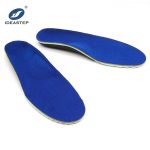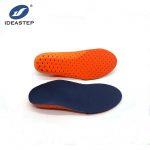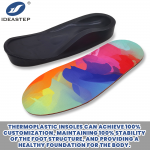
Diabetes insoles not only impact foot comfort but also play a crucial role in protecting patients’ foot health. For medical device companies, rehabilitation product brands, and insole distributors, selecting a reliable and professional supplier is key to ensuring product quality, reducing risk, and establishing long-term partnerships. This guide covers supplier credentials, material quality, production capabilities, quality control, client case studies, and communication support to help B2B buyers make informed decisions.
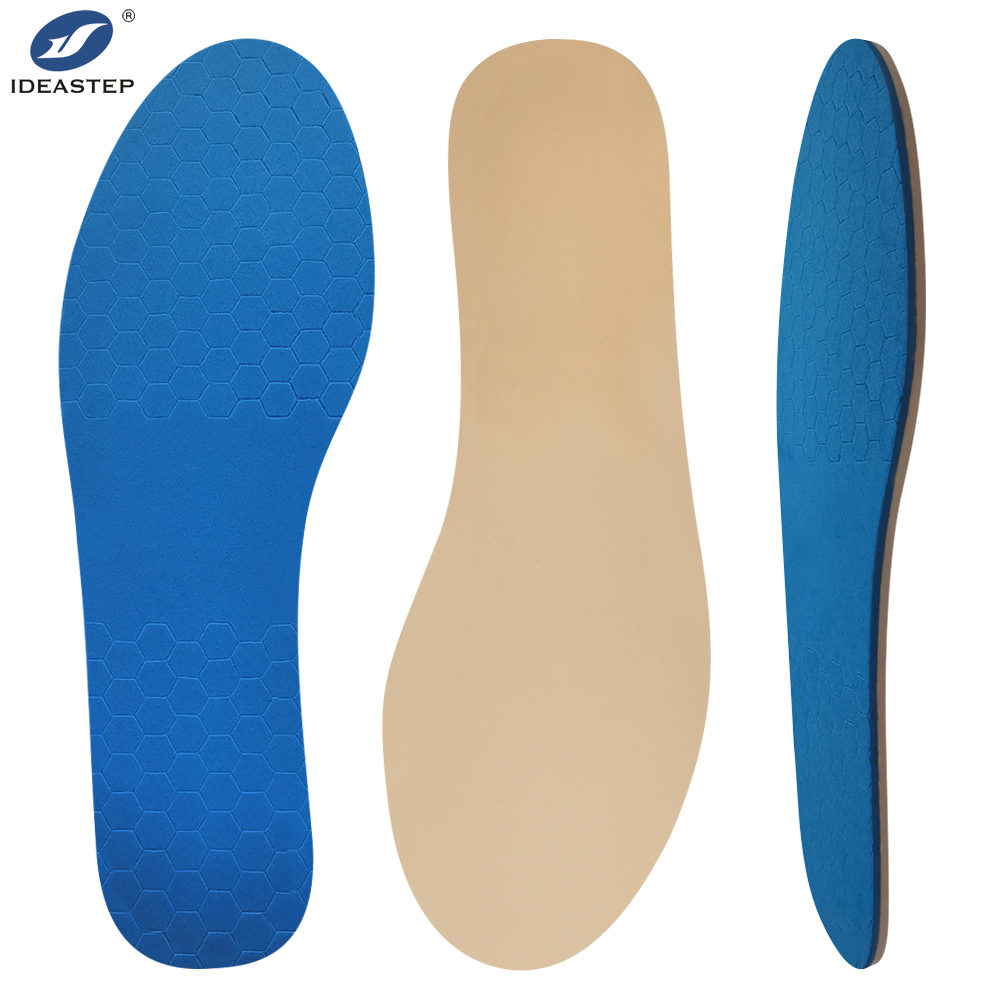
Why Supplier Selection Matters
Choosing an unreliable supplier can lead to significant risks:
- Quality risk: Substandard materials or poor production processes can compromise comfort and durability.
- Safety risk: Potential chemical residues or non-compliance with medical standards may harm patients.
- Regulatory risk: Lack of ISO, FDA, or other certifications can limit market access.
Working with a professional and reliable supplier reduces procurement risks, enhances product value, and ensures smooth long-term collaboration.
Step 1: Verify Supplier Credentials
Supplier credentials are the first indicator of professionalism:
- Quality system certifications: ISO 9001, ISO 13485 (Medical Device)
- Registration and compliance: FDA registration or local medical device certification
- Factory scale and capacity: Ensure the supplier can handle large orders
- Industry reputation: Customer feedback, case studies, and market credibility
Certified suppliers not only guarantee compliance but also provide a stable foundation for long-term partnerships.
Step 2: Evaluate Material Quality
Diabetes insoles require high-quality materials, commonly including EVA, PU, TPU, and memory foam. Key evaluation points:
- Compression and cushioning: Reduce plantar pressure and protect the foot
- Antibacterial and breathable: Minimize infection risk and maintain comfort
- Lightweight and comfortable: Suitable for daily wear and long-term use
- Medical-grade compliance: Non-toxic, eco-friendly, and certified
Using high-quality materials not only improves insole performance but also enhances brand competitiveness in the B2B market.
Step 3: Assess Production Capabilities
Stable production and flexible customization are crucial for B2B procurement:
- Capacity and delivery: Ensure timely batch production
- Customization: Hardness 20°-50°, thickness 3-12mm, sizes 36-46, logo customization available
- R&D support: Sample development, product innovation, and material testing
Choosing a supplier with R&D and customization capabilities helps companies quickly respond to market changes and client demands.
Step 4: Quality Control and Testing
A strict quality management system is a hallmark of professional suppliers:
- Inspection process: Raw material, in-process, and finished product inspections
- Testing standards: Mechanical performance, durability, and comfort
- Third-party verification: Independent lab reports or certification
A comprehensive quality control system minimizes procurement risks and ensures compliance with medical standards.
Step 5: Review Client Case Studies and Experience
When evaluating a supplier, focus on:
- Successful client projects: Demonstrates actual delivery capability
- Collaboration experience: OEM/ODM service history
- Customer feedback: Repeat orders and long-term cooperation
Real case studies and client reviews provide strong evidence of a supplier’s reliability and service quality.
Step 6: Consider Communication and After-Sales Support
Long-term suppliers should demonstrate efficient communication and comprehensive support:
- Response time: Timely handling of orders and technical inquiries
- Technical support: Product advice and problem-solving
- Long-term collaboration potential: Ability to support future product upgrades and new projects
Effective communication and professional support are essential for smooth B2B collaboration.
Conclusion
Choosing a reliable diabetes insoles supplier requires a systematic evaluation of six key areas:
- Supplier credentials and certifications
- Material quality and medical compliance
- Production capacity and customization capabilities
- Quality control processes and testing reports
- Client case studies and long-term experience
- Communication efficiency and after-sales support
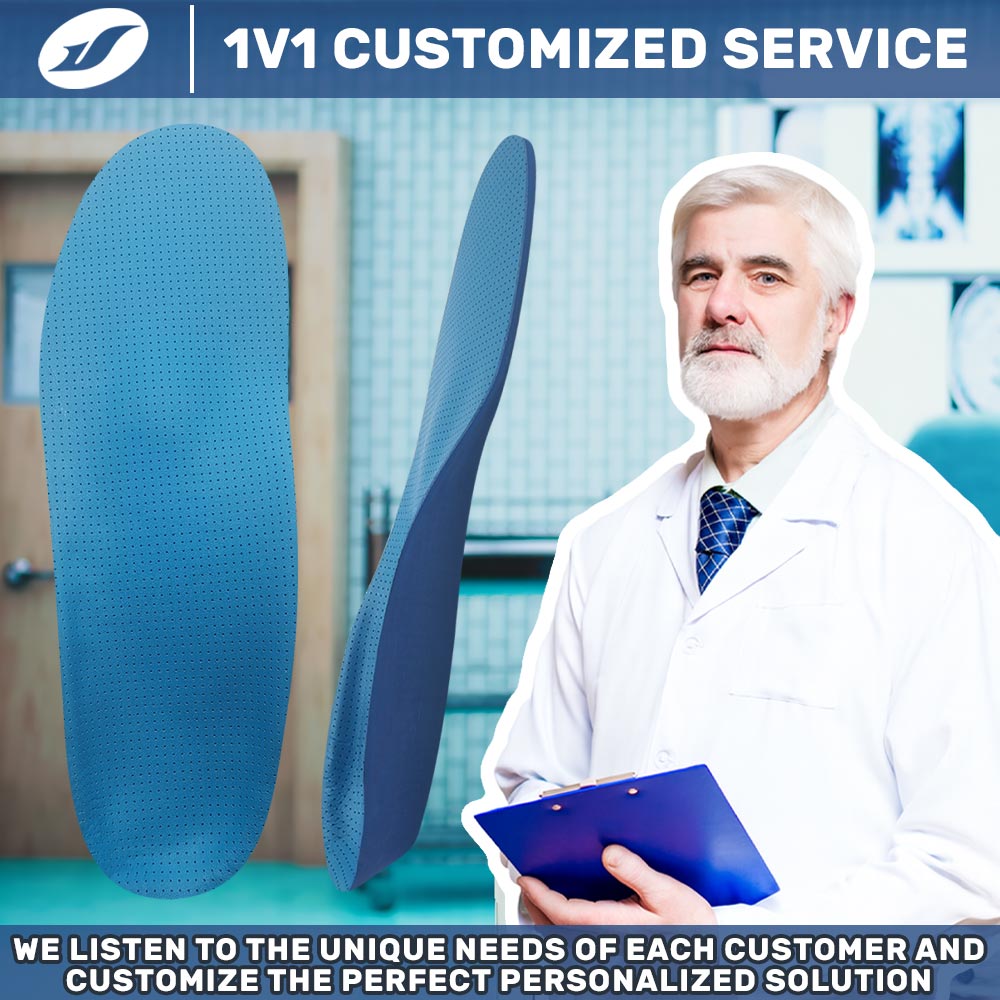
For companies seeking professional OEM partners, Ideastep provides high-quality diabetes insoles with full customization and bulk production services. Leveraging advanced material technology, strict quality control, and professional B2B support, we deliver safe, comfortable, and reliable insoles for your clients.
Want to learn more about samples, pricing, and customization timelines? Contact us to bring your brand into the high-end diabetes insoles market quickly.
If you are interested in diabetes insoles, you can read this page:Diabetic Shoe Insoles for Active People with Sensitive Feet