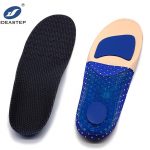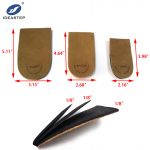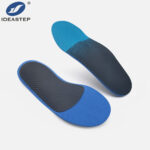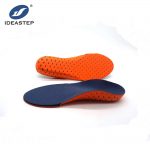
As the market for athletic shoes, medical insoles, and functional footwear continues to grow, the choice of insole material directly affects foot comfort, support, and durability. For B2B companies, insole manufacturers, and medical device brands, understanding the performance differences between EVA, TPU, and carbon fiber insoles is crucial for product strategy and selecting a reliable OEM supplier. This guide provides a professional comparison of material characteristics, advantages, disadvantages, applications, and selection tips.
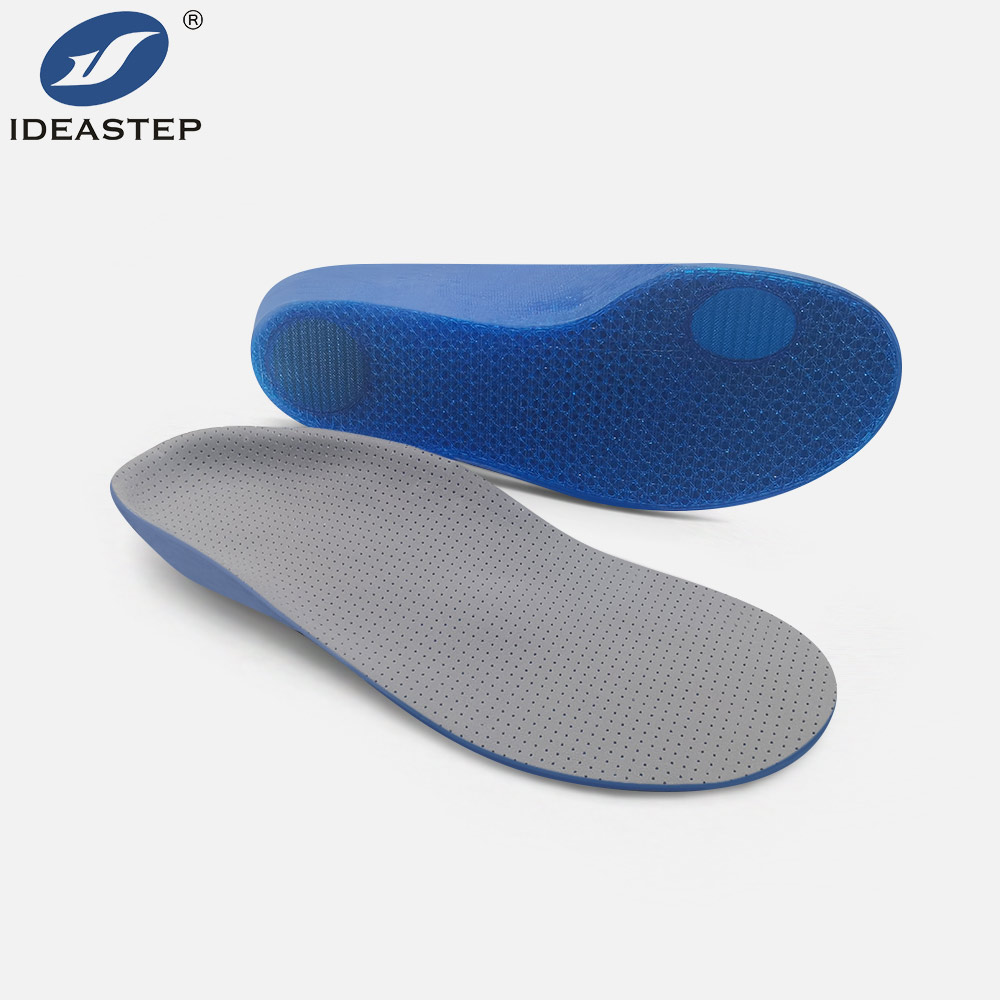
The Importance of Insole Material
Insoles not only affect comfort but also play a critical role in foot health. Different materials vary significantly in cushioning, support, durability, weight, and cost. By selecting materials scientifically, companies can:
- Enhance product value
- Meet the needs of different customer segments (athletic, medical, daily use)
- Optimize cost and production efficiency
According to research published in the Journal of Foot and Ankle Research, different insole materials can influence plantar pressure distribution by 20%-40%, which is especially critical for high-intensity sports and medical applications.
EVA Insoles: Features and Benefits
Material Characteristics: Lightweight, soft, excellent cushioning.
Advantages:
- High comfort and foot conformity
- Low cost and easy to manufacture
- Suitable for daily wear and low-intensity activities
Disadvantages:
- Moderate durability; may compress over time
- Limited support; not ideal for high-intensity or medical use
Applications: Daily insoles, rehabilitation shoes, low-intensity athletic shoes.
For start-up insole brands or high-volume daily insoles, EVA is an economical and practical choice.
TPU Insoles: Features and Benefits
Following EVA, TPU insoles excel in durability and support.
Material Characteristics: Elastic, wear-resistant, strong support.
Advantages:
- High durability; maintains shape over time
- Strong support, suitable for moderate to high-intensity activities
- Adjustable hardness, ideal for custom functional insoles
Disadvantages:
- Higher cost
- More complex manufacturing than EVA
Applications: Athletic shoes, professional insoles, high-intensity activity footwear.
For B2B clients, TPU insoles are suitable for premium products and medical insoles, enhancing brand value and customer satisfaction.
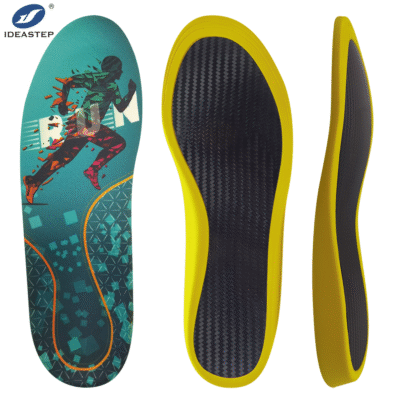
Carbon Fiber Insoles: Features and Benefits
For high-performance athletic shoes or medical custom insoles, carbon fiber is the ultimate performance material.
Material Characteristics: Lightweight, high rigidity, strong tensile strength.
Advantages:
- Exceptional support, very lightweight
- Highly durable, long-lasting
- Enhances overall shoe performance, suitable for professional and medical use
Disadvantages:
- Relatively lower comfort; usually combined with cushioning materials
- High cost and complex manufacturing
Applications: High-performance athletic shoes, professional medical insoles, custom orthotic insoles.
Carbon fiber insoles are often a differentiating factor in high-end OEM products, catering to customers seeking lightweight and high-support solutions.
Material Comparison Table
| Material | Weight | Cushioning | Support | Durability | Cost | Best Use |
|---|---|---|---|---|---|---|
| EVA | Low | High | Medium | Medium | Low | Daily / Low-intensity |
| TPU | Medium | Medium | High | High | Medium | Athletic / Professional |
| Carbon Fiber | Very Low | Medium | Very High | Very High | High | High-performance / Medical / Custom |
How to Choose the Right Insole Material
Companies should consider the following factors when selecting insole materials:
- Usage Scenario: Daily, sports, or medical applications
- Customer Needs: Comfort, support, and durability
- Cost Control: Material and manufacturing costs
- Supply Chain Reliability: Choose suppliers with OEM experience and bulk production capacity
It is recommended to start with small-batch testing before large-scale production to ensure products meet market expectations.
Conclusion
Each insole material has its advantages and limitations:
- EVA: Lightweight, comfortable, cost-effective; ideal for daily wear and low-intensity activities
- TPU: Durable with strong support; suitable for high-intensity sports and professional insoles
- Carbon Fiber: Lightweight and rigid; perfect for high-performance or medical custom insoles
Choosing the right material enhances product value and meets diverse client needs. For B2B companies seeking a reliable OEM partner, Ideastep offers EVA, TPU, and carbon fiber insoles with full customization and bulk production services. Using advanced material technologies and strict quality control, we deliver safe, comfortable, and professional insoles for your clients.
Contact us today to request samples, get pricing, and learn about OEM timelines to quickly bring your brand to the high-end insole market.